/

Low-carbon molecules

Low-carbon molecules

From lithium to batteries: the critical minerals and energy storage supply chain in Eni’s decarbonization journey to 2050

Eni is building an integrated supply chain for electrochemical energy storage, combining investments in lithium and graphite resources with advanced research, battery manufacturing and critical raw materials processing. Together, these initiatives aim to strengthen European supply chains while creating industrial value in Italy.

stake acquired in Nouveau Monde Graphite

0 %

stake agreed in Black Giant, Chile

0 %

targeted battery production capacity

0 GWh per year
In this case study:

Building an integrated energy storage supply chain

In 2026, Eni announced four operations that work together to build an integrated supply chain for electrochemical energy storage – a key piece of its decarbonization pathway to 2050.

Securing graphite and lithium resources

In April, Eni acquired an 11.4% stake in Nouveau Monde Graphite to support the Canadian Matawinie mine and secure graphite for battery anodes.

On July 6, Eni signed an agreement for 25% of Black Giant in Chile, which will use low water-impact DLE technology to produce lithium carbonate from 2028.

Advancing battery manufacturing

In June, Eni became the world’s top company for computing power with the HPC7 supercomputer – a tool that accelerates research into materials and extraction processes.

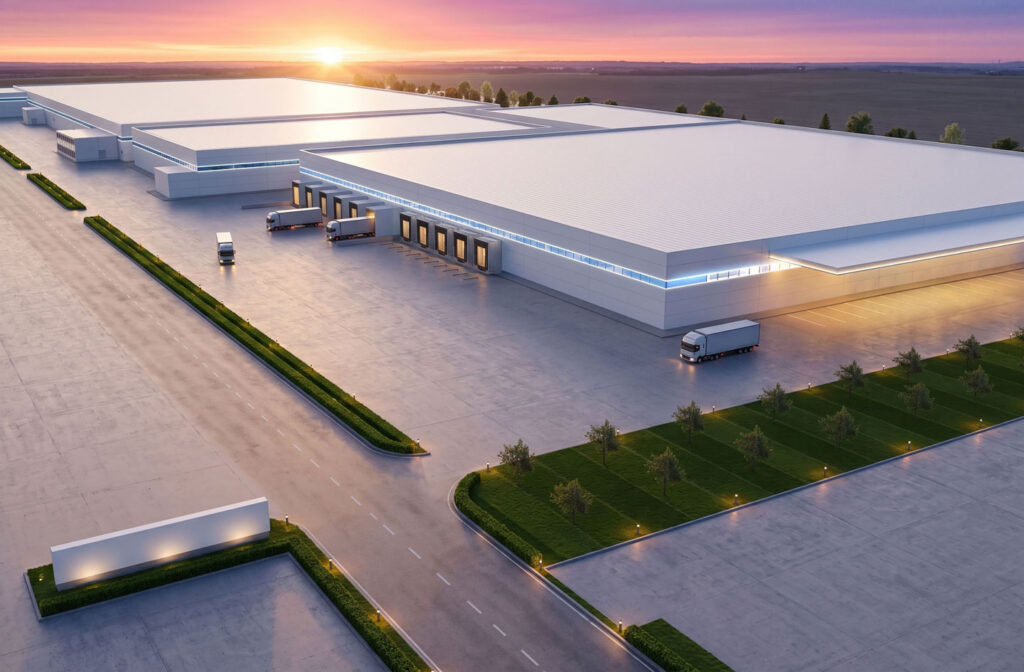
That same day, construction began in Brindisi, Southern Italy, on the Eni Storage Systems gigafactory for stationary batteries, targeting 16 GWh/year by 2030. The gigafactory will operate together with SERI’s production site in Teverola, in Italy.

Creating a European hub for critical raw materials

In parallel, Porto Marghera in Venice will become a strategic European hub for the storage, recycling, and refining of rare earths and other critical raw materials. Construction work in the Eni area is scheduled to begin in October, with the aim of ensuring reliable supplies to European industries.

Together, lithium, graphite, supercomputing and manufacturing form a vertical chain that reduces dependence on foreign markets and creates industrial value in Italy, with explicit attention to environmental sustainability.

"Controlling the battery value chain – from the mineral to the finished cell – isn't just a supply guarantee: it's what lets us turn raw materials into strategic autonomy, and manufacturing scale into real competitiveness"

Eni is an integrated energy company headquartered in Italy, with operations in more than 60 countries. Through its subsidiary Enilive, Eni is a leading European producer of biofuels and a major operator in mobility services.

Headquarters: Rome, Italy

Founded: 1953

URL: eni.com

Want to explore more?

Discover how companies are advancing climate solutions across the oil and gas industry.

Related case studies

ExxonMobil starts up second Louisiana CCS operation

ExxonMobil has begun transporting and storing captured CO₂ at its Gillis, Louisiana project, its second active commercial CCS operation in the state. The project is expected to remove up to 1.2 Mt of CO₂ per year, with the company’s two Louisiana projects together accounting for up to 3.2 Mt/year of contracted CO₂.

How Aramco created commercial value utilizing novel approaches to carbon accounting

Aramco has demonstrated how robust carbon accounting and verified carbon credits can be integrated into physical energy transactions. Its first commercial sale of a verified carbon-offset crude cargo shows how credible carbon intensity methodologies could support greater transparency and commercial differentiation.

How Norway’s 1971 petroleum principles shaped Equinor’s low-emission production on the Norwegian continental shelf 

Norway’s long-standing approach to limiting gas flaring has helped establish a framework focused on resource utilisation and lower-emission production. Equinor’s experience demonstrates how minimizing flaring and maximizing resource utilization have contributed to effective methane management and the efficient use of energy.