Regulatory impact analyses (RIA) for the supplemental rule. This RIA for the supplemental notice projects the potential impacts of these proposed actions. It mostly discusses the cost and benefits of proposed changes. It also includes a summary of modelling conducted using FEAST to propose an alternative matrix.
Regulatory impact analysis of the supplemental proposal for the standards of performance for new, reconstructed, and modified sources and emissions guidelines for existing sources – oil and gas sector climate review
The Environmental Protection Agency is an independent agency of the United States government tasked with environmental protection matters.
OGCI and its member companies do not assume any responsibility for the accuracy or reliability of any information offered by third-party websites linked though this site. The views expressed in the external content do not necessarily reflect those of OGCI or its member companies. See our Terms of Use.
Region
US
Published
2022
Resource Type
Technical report
Category
Regulations, frameworks and voluntary initiatives
More info
Sub-Category
Regulations
Segment
Midstream | Upstream
Equipment
N/A
Related resources


This resource outlines the work and research conducted by EQT’s Production and Environmental teams to target low-cost opportunities for abating methane emissions from natural gas-driven
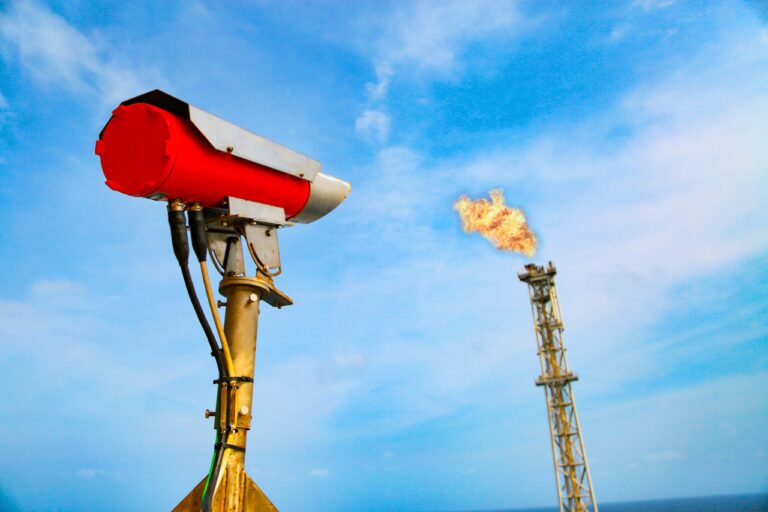

Ten-step roadmap for policymakers to implement methane policies for the oil and gas industry. Across these steps, the process of implementing a new regulation unfolds

MiQ has developed and launched the Gas Buyers Methane Emissions Calculator, a tool designed to help natural gas buyers assess the potential methane emissions reductions
Recently visited resources
The IEA’s gas flaring page reviews global flaring trends, environmental impacts, and reduction strategies. It discusses flaring’s role in greenhouse gas emissions and offers links


Brochure created by GasNaturally discussing methane emissions in Europe. It highlights the environmental impact of methane, O&G sources, and emission reduction strategies. The document also


This book highlights the business case for reducing gas flaring and methane emissions (FMR), offering a framework for policymakers to evaluate FMR project feasibility and