OGDC Methane Framework 1-Foundation
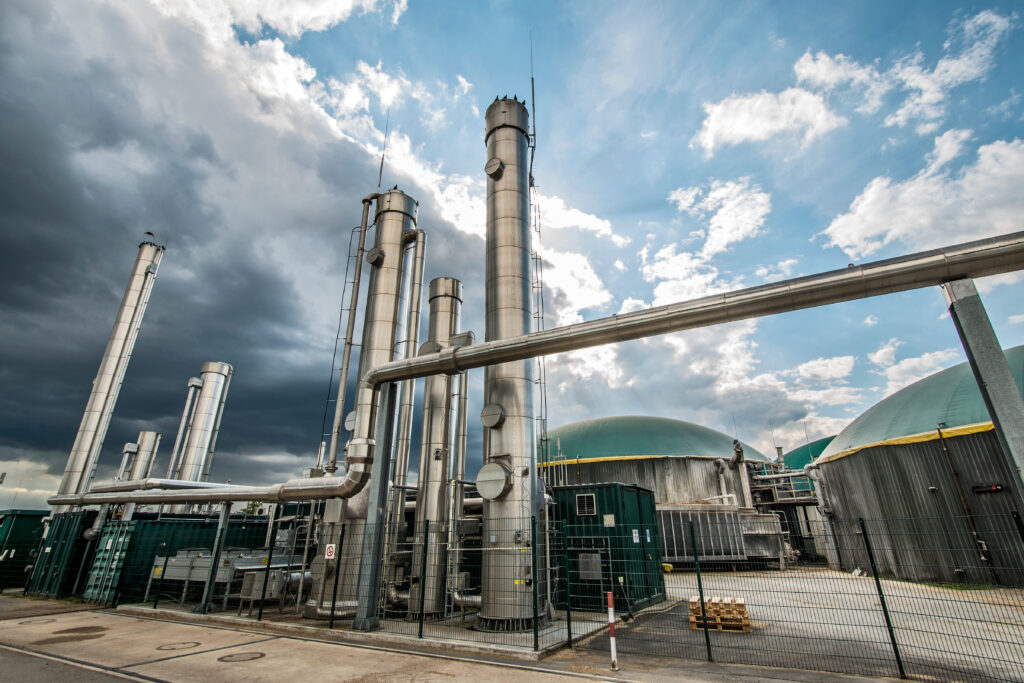
Foundational guidance for methane and flaring reduction through inventorying, LDAR, and emissions tracking systems.
Flaring accountability
This report determines the company’s whole flaring impact around the world by attributing flaring to individual companies for both their operated and non-operated assets. The analysis shows that just 10 large international oil companies (IOCs)—BP, Chevron, ConocoPhillips, Eni, Equinor, ExxonMobil, Occidental Petroleum, Repsol, Shell, and TotalEnergies—are responsible for 7% of global flaring, based on their […]
Methane detection & quantification technologies for flares
The Recommended Practices for Methane Detection and Quantification Technologies for Flares is a project conducted on behalf of the Energy Institute, and pertains to technologies for the measurement and quantification of flare combustion efficiency and destruction removal efficiency. The recommended practices provided an overview of available technologies, technology datasheets, and a technology filtering tool.
Small scale technologies for using associated gas
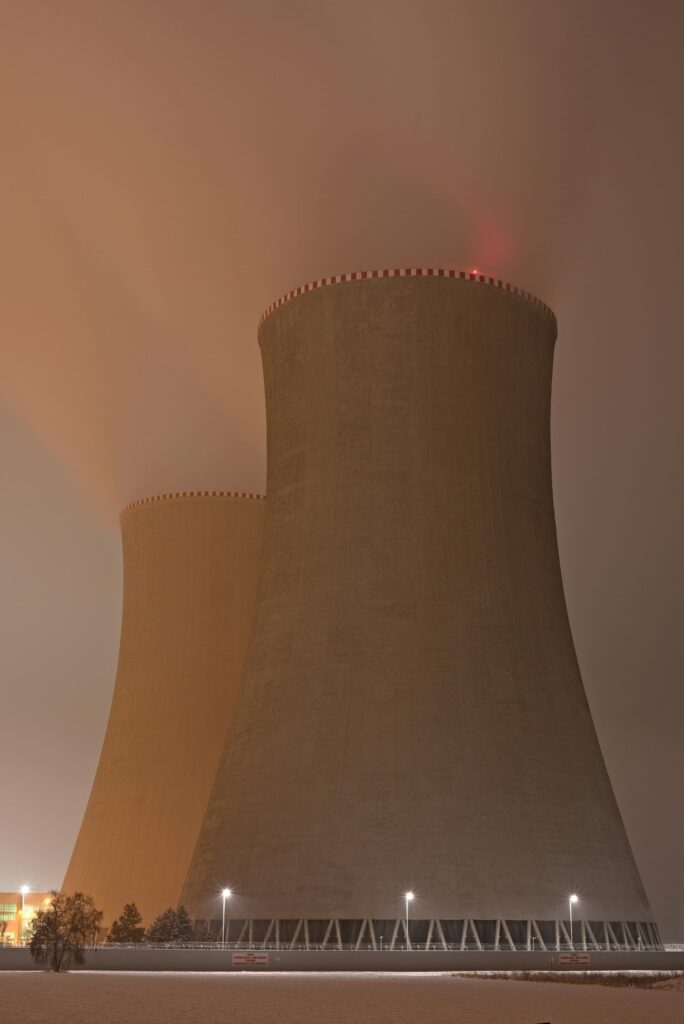
This report examines small-scale technologies designed to utilize associated gas, which is often flared or vented during oil production. It evaluates various solutions, including gas-to-power, gas-to-liquids, and compressed natural gas (CNG) systems, focusing on their technical feasibility, economic viability, and environmental benefits. The study aims to provide oil and gas operators with insights into implementing […]
How to monitor methane flare emissions with Flare.IQ
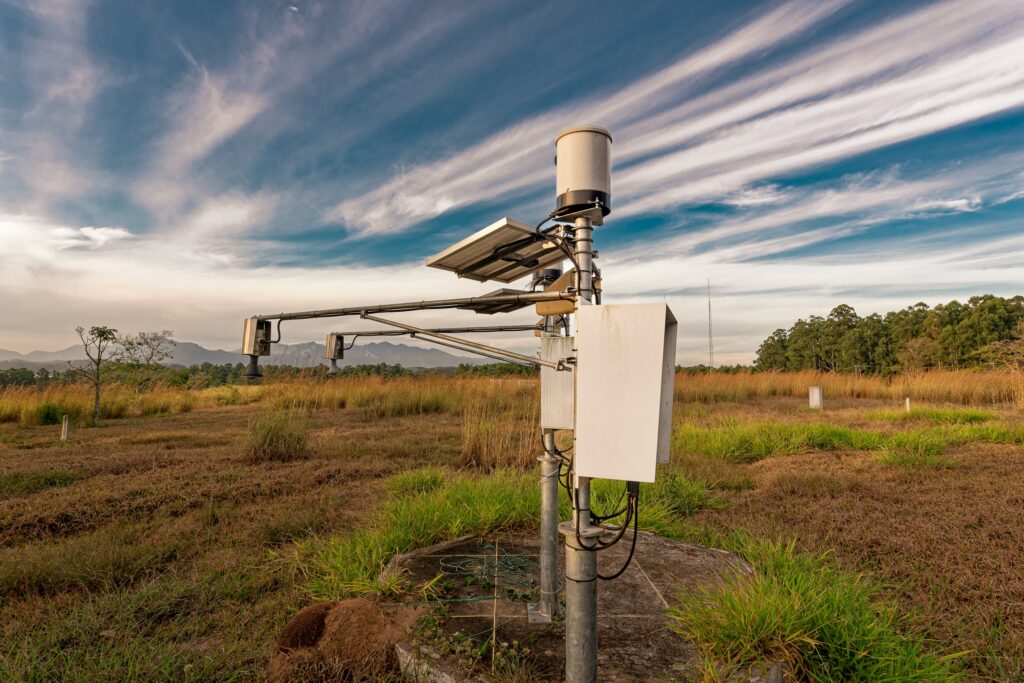
This case study was presented by Gerard Bottino at Baker Hughes and Peter Evans at BP during the Methane Guiding Principles 2023 Masterclass. BP and Baker Hughes discuss improving flare performance and methane destruction efficiency using continuous monitoring technologies.