MGP gap assessment tool

This tool is designed for asset managers in the oil and gas industry to assess methane management practices and identify improvement opportunities. Using a simple Excel interface, it rates asset or organization performance on methane emissions management through a diagnostic process. The tool provides preliminary insights against best practices, applying a continual improvement framework (Plan-Do-Check-Act) […]
Methane mitigation technologies platform

EPA tool to learn about technologies and practices that can be used to reduce methane emissions from these sources. The platform reflects experiences and lessons learned from voluntary program partners. Some technologies are now regulated at the federal, state, and/or local levels in the United States and in other countries.
Measurement informed inventories: First steps on a long journey

This resource discusses the evolving landscape of greenhouse gas inventories and introduces the concept of “measurement-informed inventories” (MIIs). MIIs incorporate real measurement data to provide a more accurate picture of methane emissions. The seminar examines various methodologies for generating MIIs, including differences in how measurement data is reconciled with top-down data and the specific purpose […]
How to develop a fugitive emissions management program

This manual is a guide for industry on how to develop fugitive emissions management programs (FEMPs) that comply with Directive 060 regulation(Alberta, Canada). It clarifies requirements and includes best practices for managing fugitive emissions, which companies should consider when developing their programs.
IMEO methane data

Global satellite detection and notification system. IMEO is assembling a public database of empirically verified methane emissions data and connecting it to the individuals who can act to reduce emissions. The data is derived from satellites and global scientific measurement campaigns, and in the future will draw from emissions reported by companies under the Oil […]
EPA’s natural gas STAR program
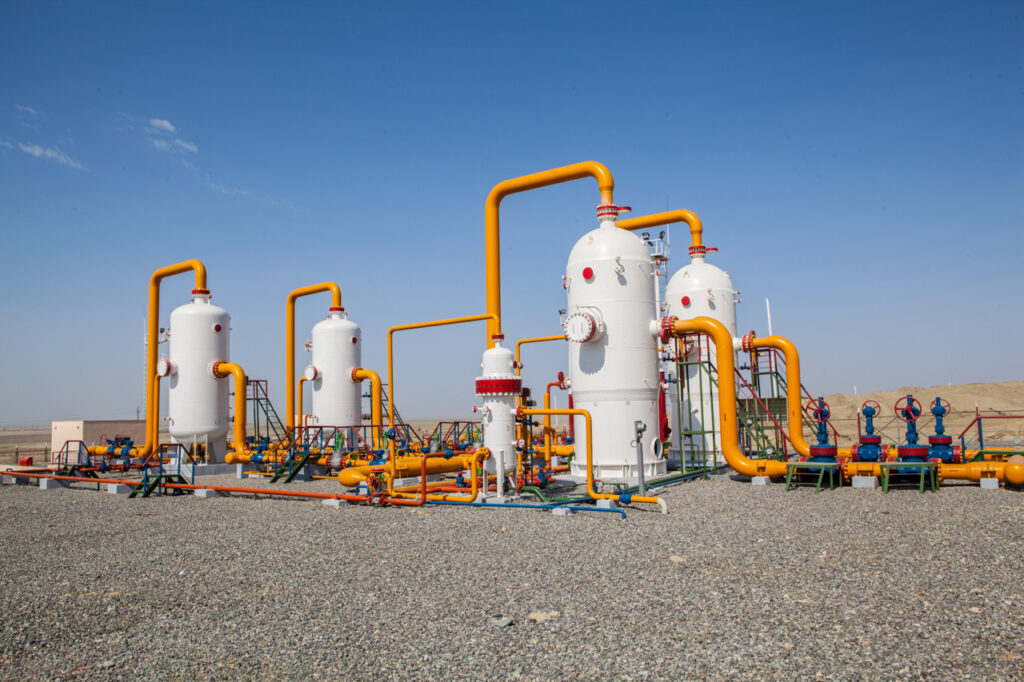
EPA’s Natural Gas STAR Program webpage includes a wide range of technical resources to assist companies in managing methane emissions. It includes a tool to identify available mitigation technologies, technical presentation materials, educational videos on methane emissions, and a list of equipment and service providers to support emission reduction efforts in the oil and gas […]
Electrification technology deployment catalogue

This technology deployment catalogue identifies and summarizes available electrification options/technologies that support effectively reducing greenhouse gas (GHG) emissions in the upstream oil and gas industry. It focuses on high-level information aimed at non-electrical engineers or decision makers undertaking specific project, concept, or front-end engineering design (FEED).
Efficient use of energy in oil and gas upstream facilities

Report shares recommended practices for energy management and optimization for the design, installation, and operation of new and existing equipment and systems. This report is intended to guide upstream oil and gas organizations on improving energy efficiency and reducing GHG emissions and energy costs, regardless of an organization’s current progress toward decarbonization. It also includes […]
Best practice guidance for effective methane management in oil and gas

UNECE Monitoring, Reporting, and Verification (MRV) and Mitigation best practice guidance. The document offers recommendations for developing and implementing effective methane quantification, monitoring, reporting, and verification (MRV) practices within the oil and gas sector. It serves as a comprehensive resource for a wide range of stakeholders, including facility owners, operators, and policymakers at all levels […]
Guidelines for venting minimization and vent recovery systems

This guideline identifies venting sources and discusses the design and operation of vent systems and Volatile Organic Compound (VOC) recovery systems, as well as the situations in which these systems can be employed to minimize venting. This guidance has been developed to assist engineering and operations staff at upstream production facilities and may be useful […]