OGMP technical guidance documents
Technical Guidance Documents (TGDs) on each of the nine core emission sources covered by OGMP. The guidance documents present suggested methodologies for quantifying methane emissions from each source and describe established mitigation options that could be referenced when determining if the source is “mitigated. The resources include technical guidance documents addressing various aspects of methane […]
Methane Tracker
Interactive database of country and regional estimates for methane emissions and abatement options. The page also contains links to annual reports evaluating annual trends. The last year’s report provided the latest estimates of emissions from across the sector – drawing on the more recent data and readings from satellites and ground-based measurements – and the […]
The methane imperative
The article analyzes the feasibility of reducing methane emissions at the national and sectoral levels, emphasizing that while significant reductions are achievable—especially to meet targets like the Global Methane Pledge—there are notable uncertainties in the cost-effectiveness and impact of these measures. It shows that the mitigation costs for many strategies are relatively low compared to […]
Policy framework for reducing oil and gas methane emissions
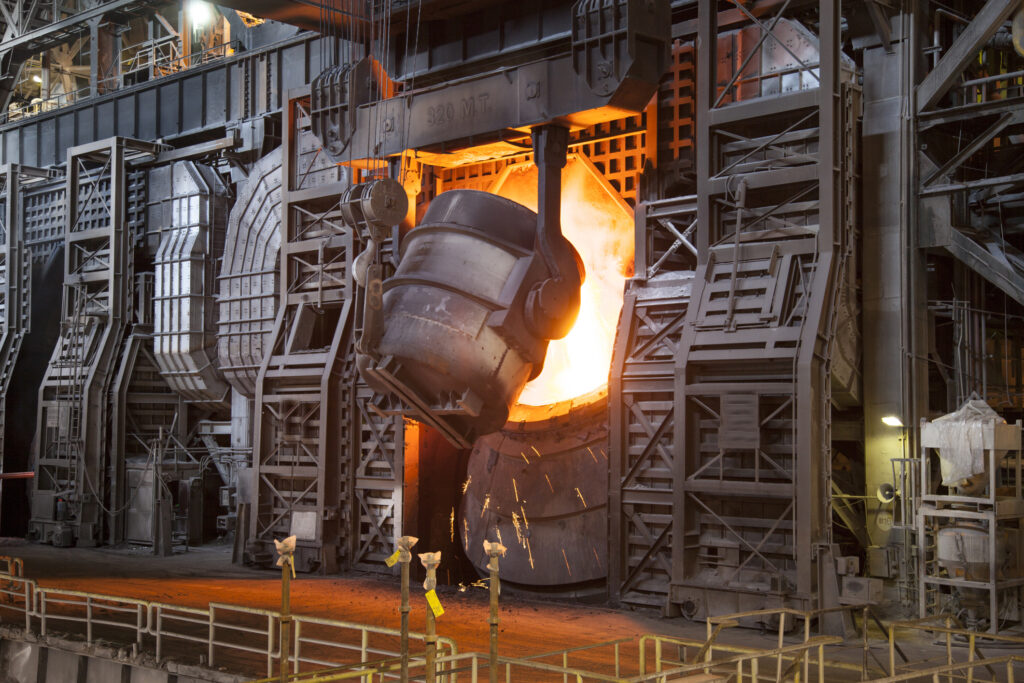
This Toolkit outlines different partners, resources and case studies that are available to support government and industry actors in efforts to reduce methane emissions from the oil and gas sector. It provides a guide through the different tools and strategies available to policymakers and indicates which elements can be most useful across different goals and […]
National oil companies and methane reductions: How to meet 2030 goals

This paper examines what companies must do to realize their plans and raise their ambitions, and which types of partnerships can help accelerate these changes. It summarizes the importance of methane reductions by state oil companies, outlines their climate and methane reduction commitments, and analyzes the progress and emissions reductions pathways that will be necessary […]
Financing reductions in oil and gas methane emissions
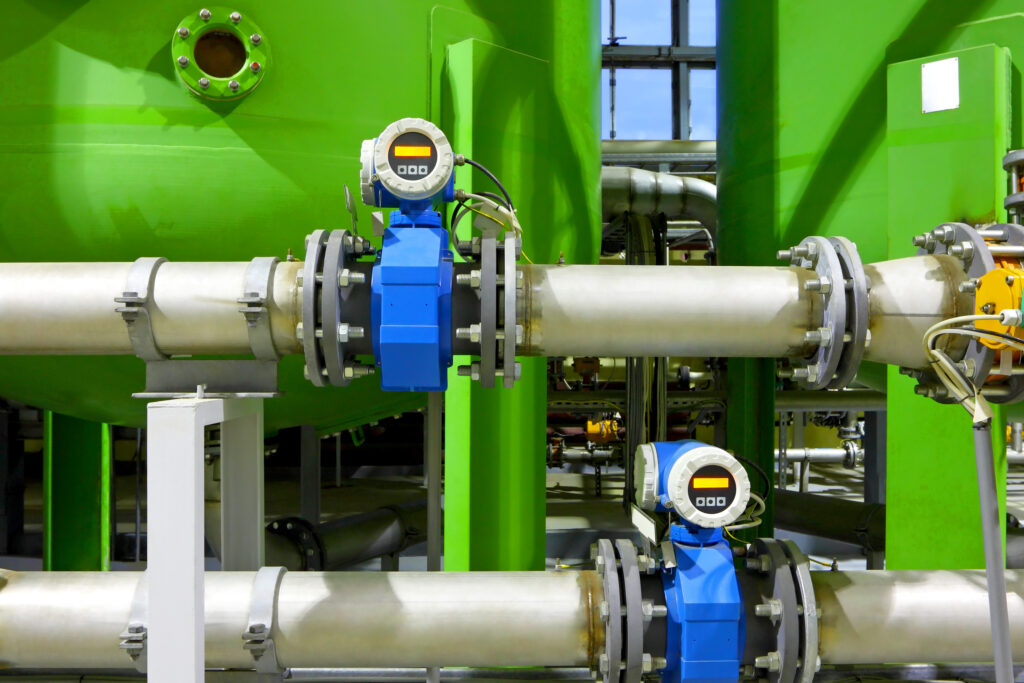
This report looks in detail at the investment requirements to deliver a sharp reduction in oil and gas methane emissions to 2030, and how these could be financed. The analysis is intended to inform discussions in the runup to COP28 and help prompt the necessary actions to accelerate the pace of change. Includes lessons learned […]
Curtailing methane emissions from fossil fuel operations

This report explores practical measures that governments and companies can take to secure a 75% reduction in methane emissions from fossil fuel operations as envisioned in the IEA’s Net Zero by 2050 Roadmap. Building on the estimates of emissions and abatement options in the IEA Methane Tracker and our Regulatory Roadmap and Toolkit, authors quantify […]
British Columbia fugitive emissions management guideline

This Fugitive Emissions Management Guideline provides regulatory requirements and guidance for fugitive emissions management in British Columbia. This guideline provides a structured approach to managing fugitive emissions. It includes detailed instructions on planning and conducting leak detection surveys, detection and measurement methods, and training requirements. Additionally, includes British Columbia standards track repairs and data management. […]
Study of financing solutions to reduce flaring and methane emissions
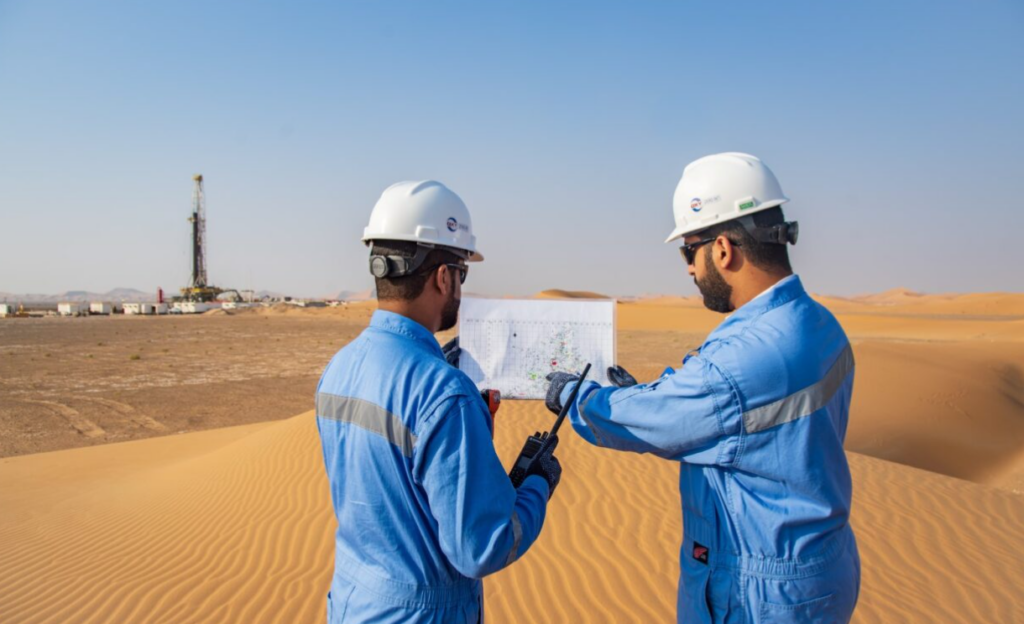
This book highlights the business case for reducing gas flaring and methane emissions (FMR), offering a framework for policymakers to evaluate FMR project feasibility and financial viability. It explores investment barriers, identifies key success factors, and presents simplified financial models. Focusing on midsized flares, which make up 58% of global flare volumes, the book addresses […]
The crucial role of pneumatic controllers in the Permian Basin
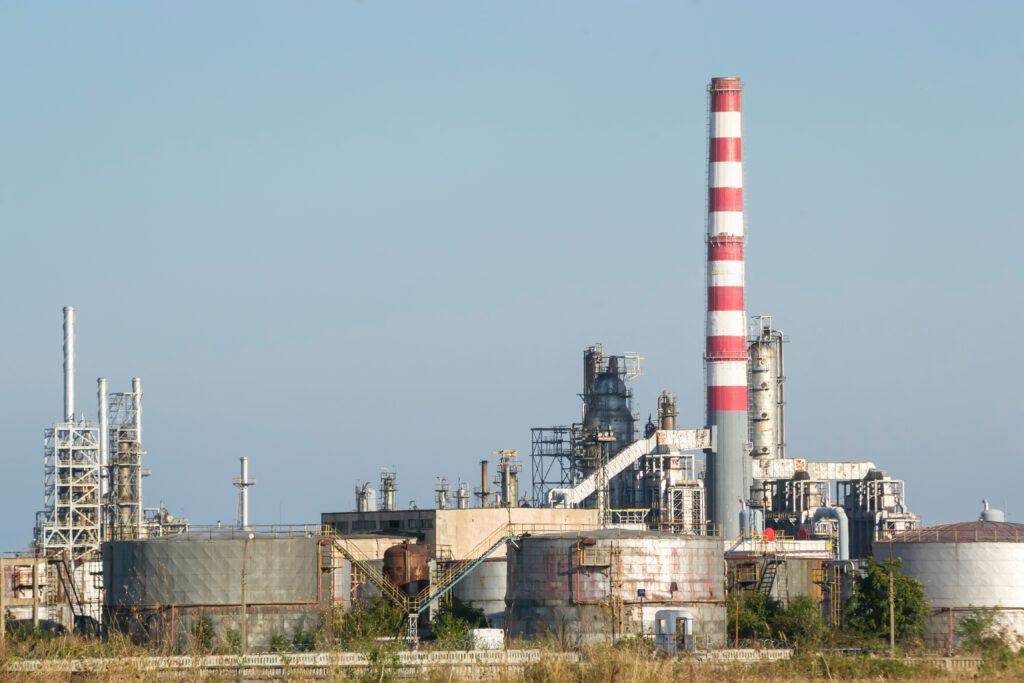
A report on the role pneumatics play on emissions in the Permian. Moving to low-bleed devices is recommended.