The broader value of emissions detection and quantification

The Broader Value of Emissions Detection and Quantification, authored by Daniel Zimmerle of Colorado State University’s Methane Emissions Technology Evaluation Center (METEC), provides his perspective on the multifaceted benefits of Leak Detection and Quantification (LDAQ) systems beyond mere regulatory compliance.
Chevron methane report 2022
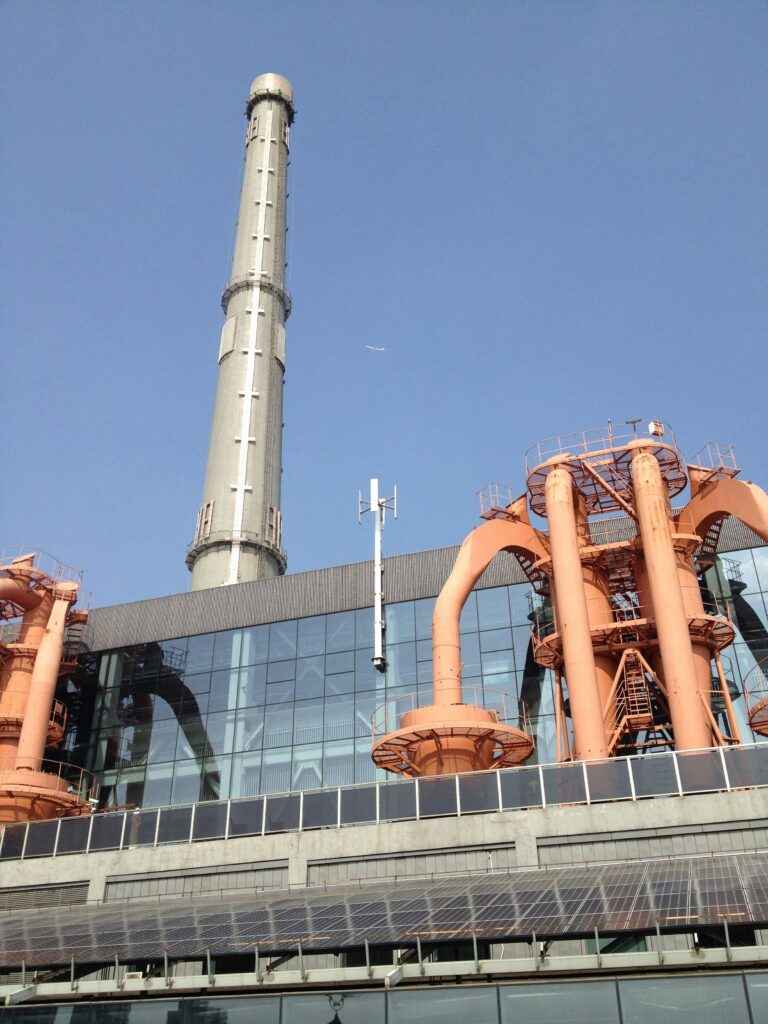
This report builds on Chevrons’s climate-related disclosures by providing detailed insights into its ongoing efforts to reduce methane intensity and improve emissions inventories. It addresses the challenges and opportunities in the evolving field of methane detection and measurement—emphasizing the importance of reliable measurement protocols. The report also highlights initiatives to advance methane detection technologies and […]
Scoping methane emissions in ASEAN’s oil and gas sector

The report explores the current emissions landscape across major oil and gas producing countries in the region, identifying gaps in data, monitoring, and regulatory frameworks. It highlights early progress made by national oil companies (NOCs) such as Pertamina, Petronas, and PTTEP, who are already piloting methane reduction technologies. Policy mapping reveals varying levels of readiness […]
Mitigating pipeline blowdowns for methane reduction
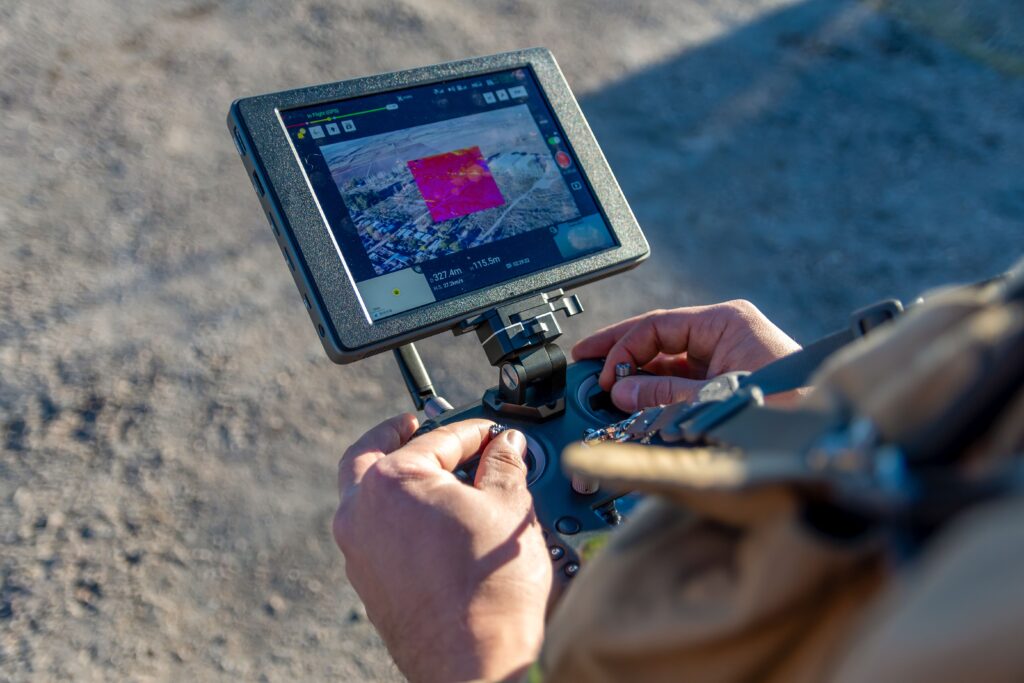
Examples and best practices for blowdowns presented by Nathan Eifler of TC Energy at Methane Guiding Principles 2023 Masterclass.
Pneumatic devices for methane reduction: case study
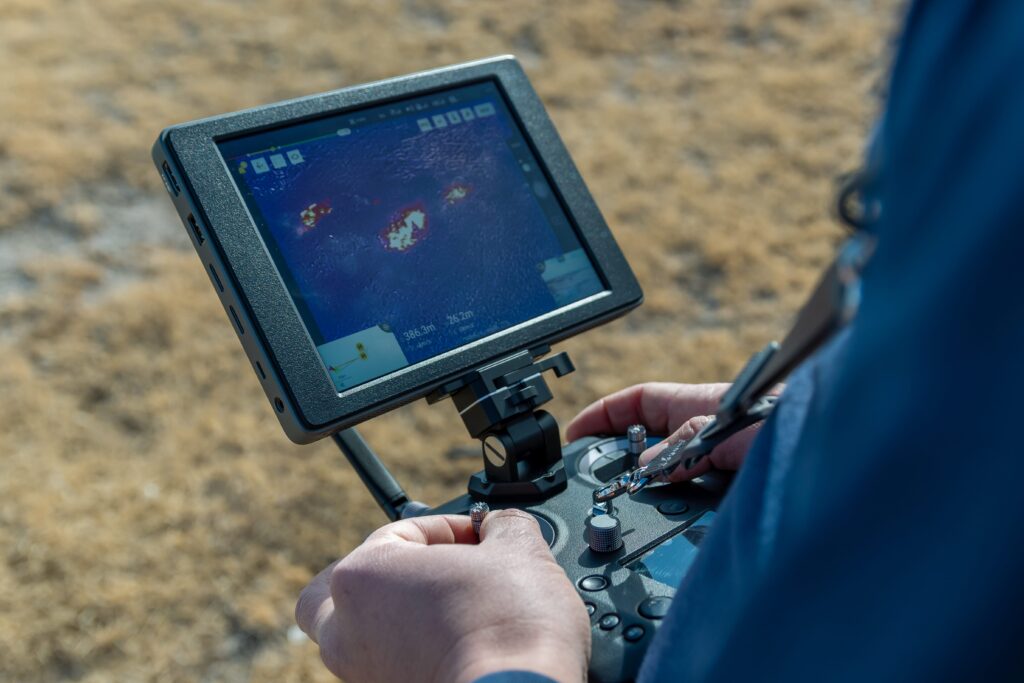
This methane reduction project case study was presented at the Methane Guiding Principles 2023 Masterclass by Jesse Sandlin, Methane Reduction Facility Engineering Advisor at Chevron. Jesse talks in detail about pneumatic controllers/devices, why they are used and how different controllers can be used for different solutions.
Methane emissions avoidance strategies
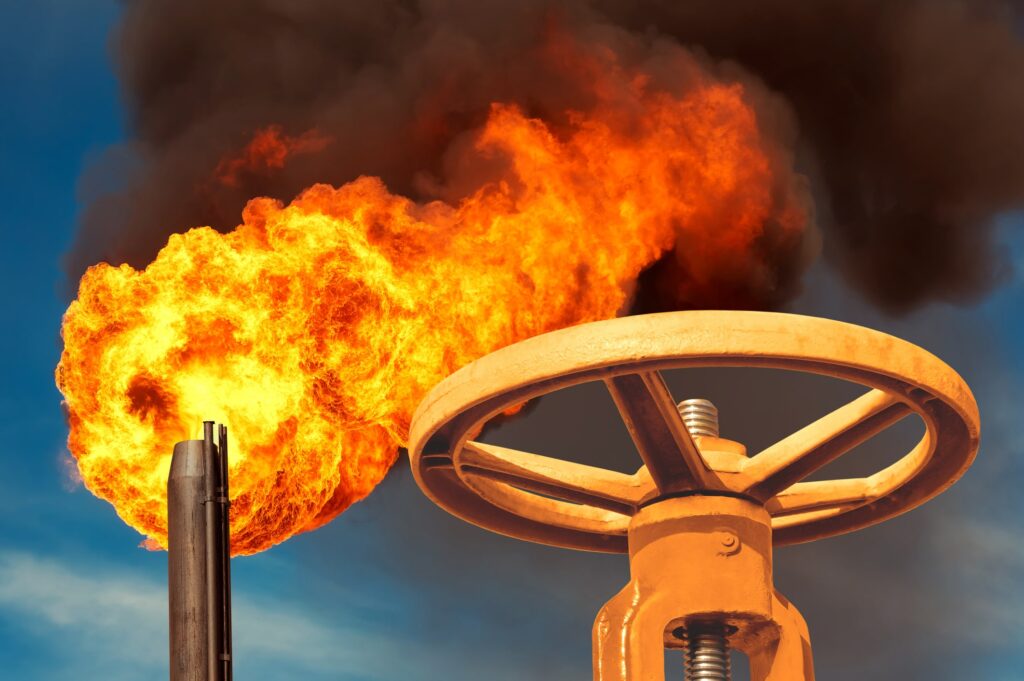
TC Energy presents strategies to avoid emissions (hot taps, ILL, bundling, flaring). This methane reduction project case study was presented at the Methane Guiding Principles 2023 Masterclass by Andrew Willard, Manager of Emissions Reduction at TC Energy.
Methane emissions abatement potential, costs in the Arctic
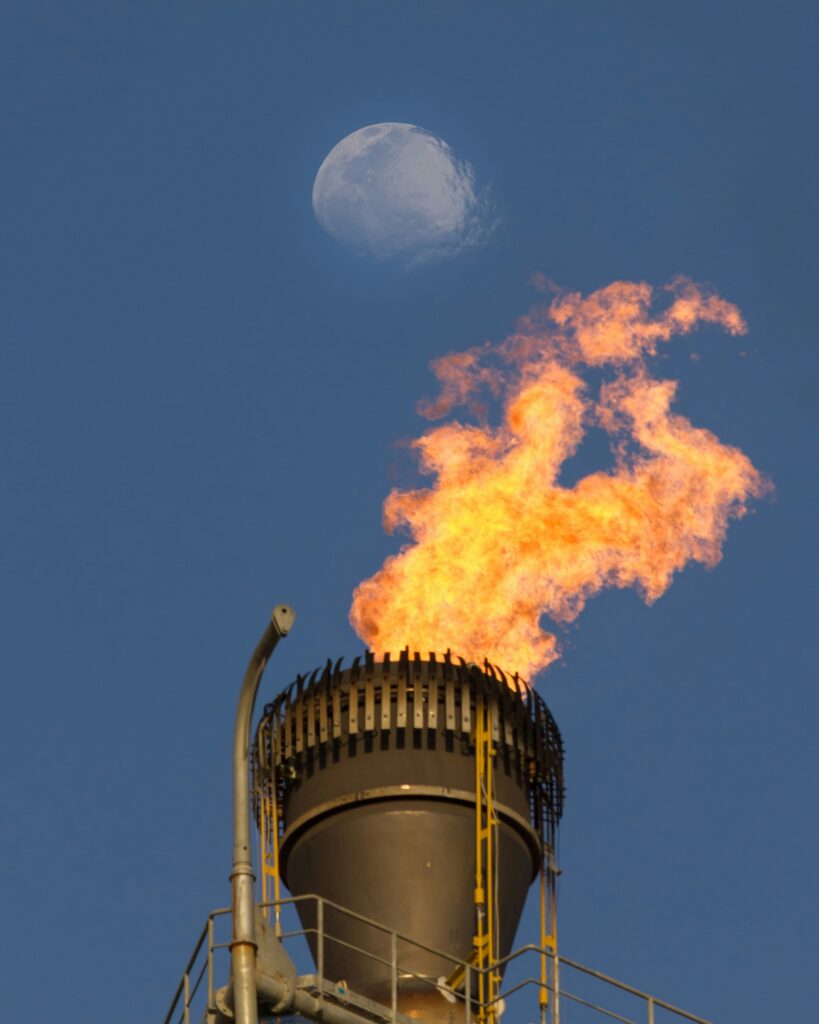
This report assesses the potential and costs of methane abatement in the oil and gas sectors of Arctic countries, including Russia, the USA, Canada, and Norway. It identifies key emission sources, evaluates mitigation technologies, and provides cost analyses to inform policy and operational decisions aimed at reducing methane emissions in the Arctic region.
NOC methane action represents an opportunity for deep cuts
This report explores how National Oil Companies (NOCs) can take significant action to reduce methane emissions. It includes case studies, identifies barriers, and presents strategies for improving methane measurement, reporting, and mitigation practices across various geographies and operational segments.
Addressing methane emissions at LNG Facilities

This report examines methane emissions across the LNG supply chain and recommends best practices for their mitigation. It emphasizes the importance of accurate measurement, reporting, and verification (MRV) of emissions and advocates for the implementation of robust mitigation strategies to minimize the environmental impact of LNG operations.
Methane detection & quantification technologies for flares
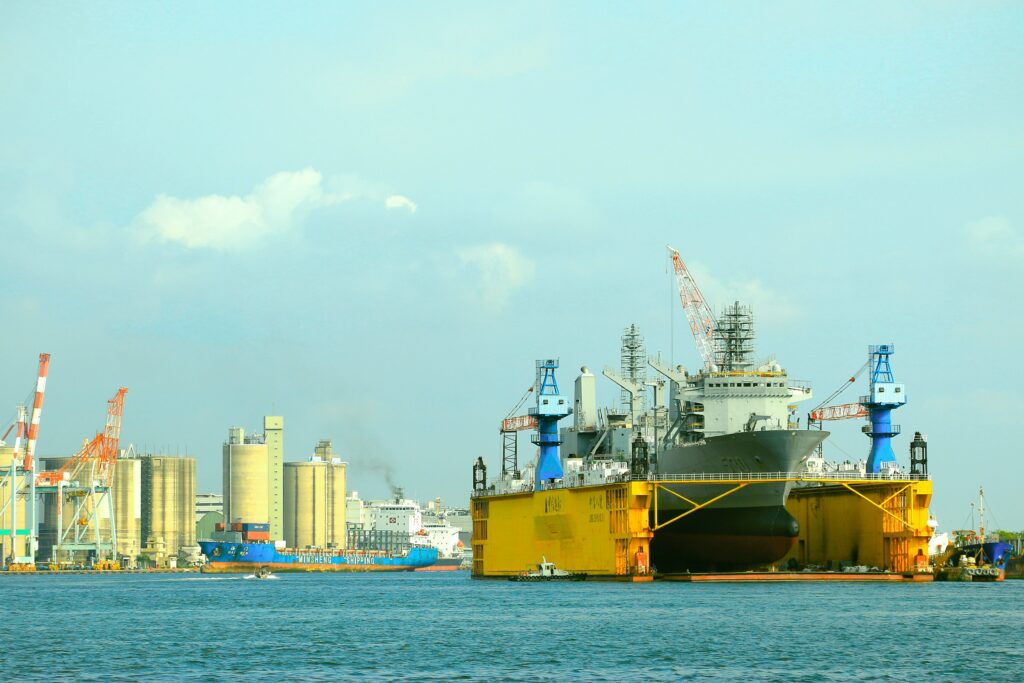
The Recommended Practices for Methane Detection and Quantification Technologies for Flares is a project conducted on behalf of the Energy Institute, and pertains to technologies for the measurement and quantification of flare combustion efficiency and destruction removal efficiency. The recommended practices provided an overview of available technologies, technology datasheets, and a technology filtering tool.