MiQ buyers calculator
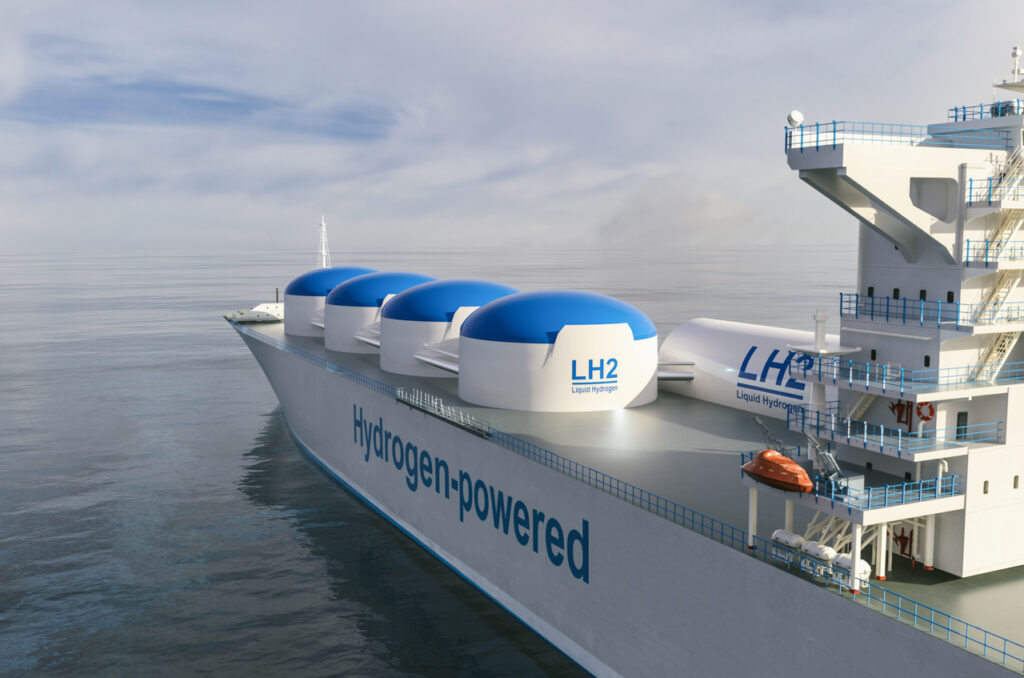
MiQ has developed and launched the Gas Buyers Methane Emissions Calculator, a tool designed to help natural gas buyers assess the potential methane emissions reductions associated with purchasing MiQ-certified gas. The calculator compares emissions from the production segment of MiQ-certified gas against benchmark gas, providing buyers with valuable insights into the environmental benefits of choosing […]
ASEAN energy sector methane leadership program
Launched at Energy Asia 2023 in Kuala Lumpur on June 26, 2023, the MLP spans 18 months and concentrates on fostering effective methane emission management in the ASEAN O&G industry. It aims to support the Global Methane Pledge 2030 through regional collaboration, technology transfer, networking, knowledge sharing, and capacity building among oil and gas companies, […]
Coalition for LNG emission abatement toward net zero
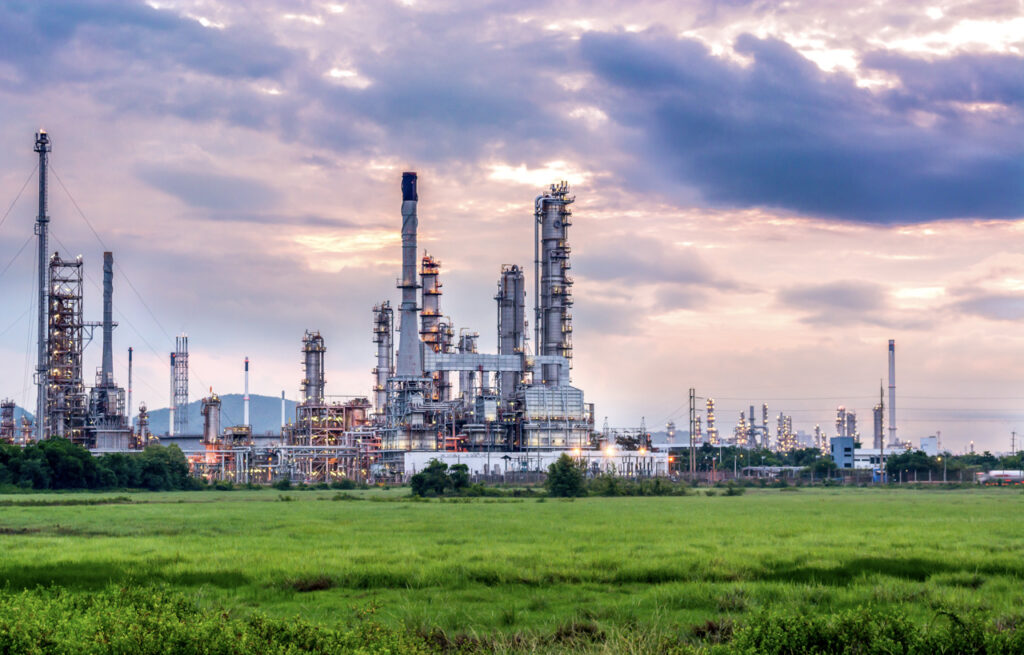
The Coalition for LNG Emission Abatement toward Net-zero (CLEAN) project, is a collaborative international initiative focused on reducing greenhouse gas (GHG) emissions, particularly methane, across the LNG value chain. It is supported by the United States, South Korea, Australia, the European Commission, and Japan, and co-hosted by Japan’s Ministry of Economy, Trade, and Industry (METI) […]
IMEO Report
The International Methane Emissions Observatory’s third annual report provides decision makers a framework of action to track and monitor methane emissions to plan targeted and ambitious action for their mitigation. The International Methane Emissions Observatory (IMEO) of the United Nations Environment Programme (UNEP) is poised to catalyse rapid climate action informed through these new data, […]
Global Methane Pledge

Participants joining the Pledge agree to take voluntary actions to contribute to a collective effort to reduce global methane emissions at least 30 percent from 2020 levels by 2030. This is a global, not a national reduction target. Participants to the Pledge also commit to moving towards using the highest tier IPCC good practice inventory […]
IEA: Gas flaring
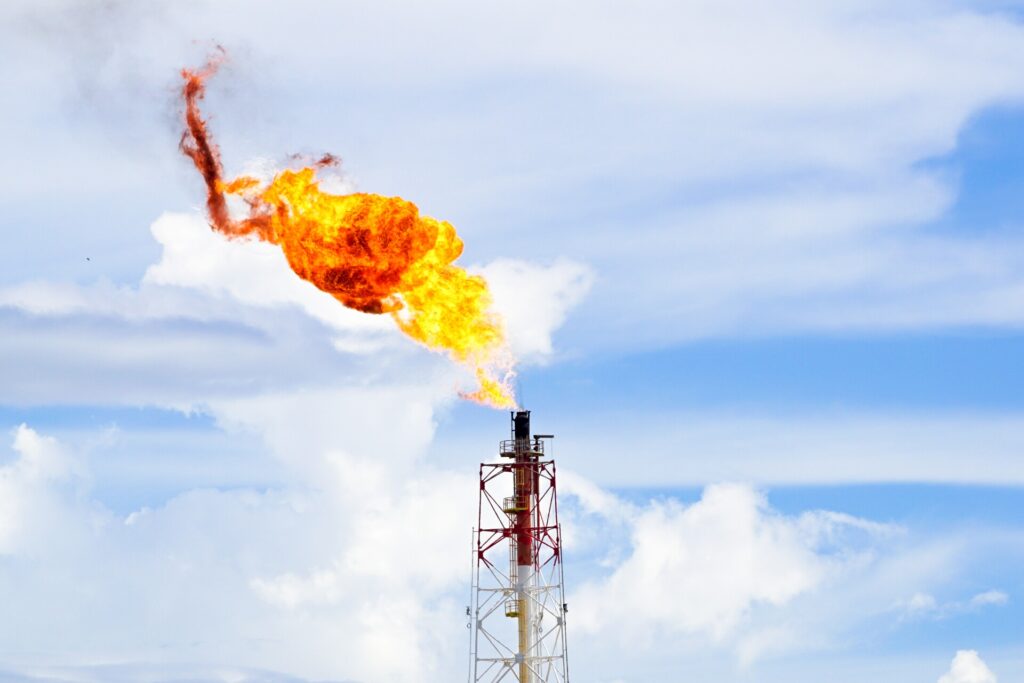
The IEA’s gas flaring page reviews global flaring trends, environmental impacts, and reduction strategies. It discusses flaring’s role in greenhouse gas emissions and offers links to policy frameworks, international collaborations, and practical recommendations to reduce emissions. The IEA’s gas flaring resource can be useful for regulators and policymakers developing emissions reduction frameworks and oil and […]
Coalition for LNG emission abatement toward net zero – Annual Report
The first annual report of the CLEAN Initiative published in 2024 highlights best practices based on LNG buyers’ questionnaires to sellers regarding methane emission reductions. The initiative has gained strong support from governments, international organizations, and energy companies, with plans to expand participation in the coming year. It showcases efforts to reduce emissions across the […]
Guidelines for measurement, reporting and verification of GHG emission reductions in JBIC GREEN operation
The document provides guidelines for Japan’s Measurement, Reporting, and Verification (JMRV) framework to quantify and track greenhouse gas (GHG) emissions reductions. It outlines methodologies for data collection, emission calculations, and monitoring processes. The framework aims to ensure transparency, accuracy, and consistency in reporting, with sections detailing project-level emission assessments, sector-specific protocols, and verification standards.
Voluntary emissions reduction initiatives in 2023
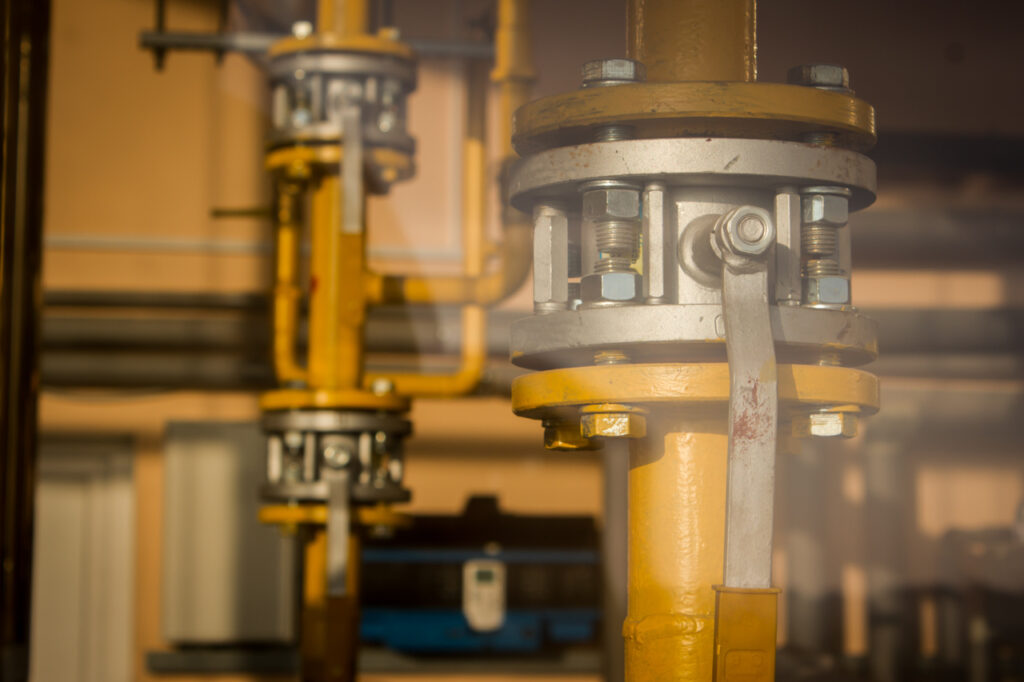
Voluntary Emissions Reduction Initiatives for the Oil & Gas Industry is for anyone who values responsible energy. This 2023 third edition updates existing and new programs, totalling 24 voluntary initiatives now available to the energy industry across the supply chain. New developments are highlighted as well as trends towards the use of shared methodologies and […]
Veritas Protocols
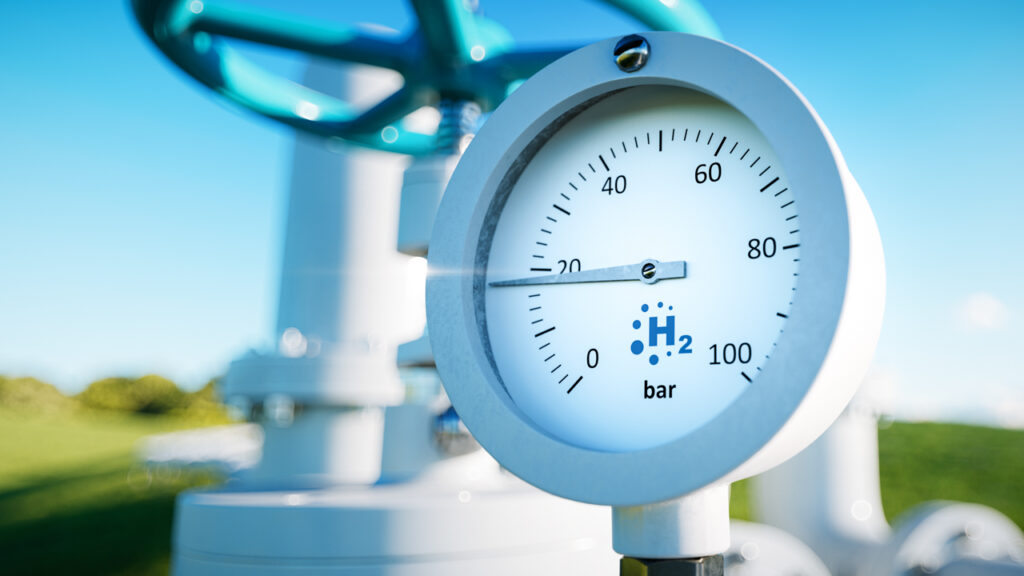
Veritas’ technical protocols provide companies and countries with methane emissions reduction targets with a credible, consistent, verifiable, and transparent methodology to measuring methane emissions. These protocols provide a more streamlined, refined, and standardized approach to accurately measure methane emissions. This, in turn, supports reduction efforts of global methane emissions.