Methane emissions from upstream oil and gas production in Canada are underestimated

In this study methane emissions were measured at 6650 sites across six major oil and gas producing regions in Canada to examine regional emission trends, and to derive an inventory estimate for Canada’s upstream oil and gas sector.Overall, study estimate that the Canadian upstream oil and gas methane inventory is underestimated by a factor of […]
A measurement-based upstream oil and gas methane inventory for Alberta, Canada reveals higher emissions and different sources than official estimates
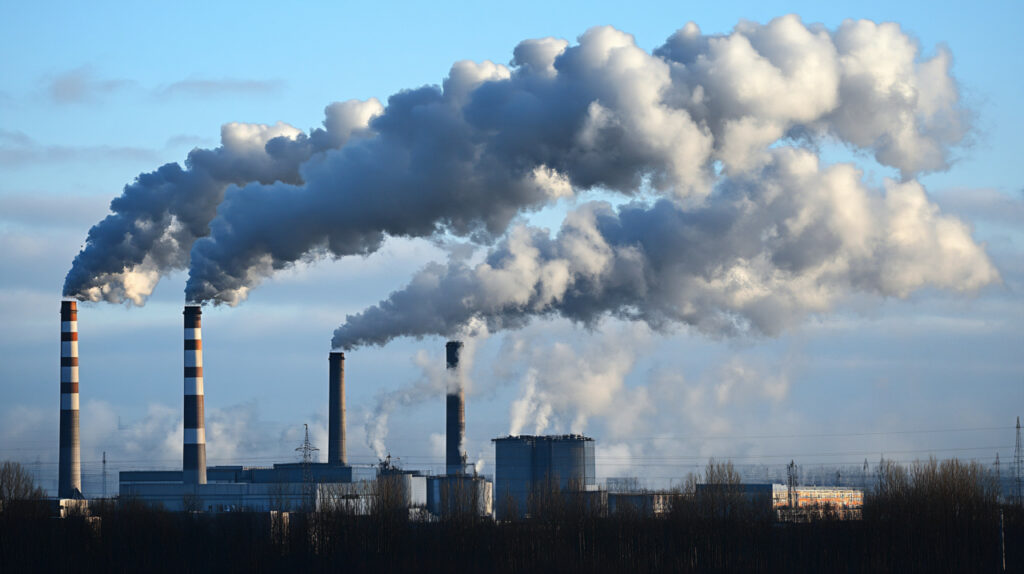
This study focuses on creating a robust, source-resolved methane inventory for conventional upstream oil and gas production in Alberta, Canada, leveraging high-sensitivity LiDAR-based methane detection. Derived inventory is directly compared with top-down estimates from parallel aerial mass-balance surveys and a provincial inventory derived from recent satellite measurements in western Canada. The study also contrasts its […]
Alternative methane detection technologies evaluation – alternative technology equivalency matrix analysis

Alternative Fugitive Emissions Methane Detection technology evaluation matrix report. A report prepared by Highwood Emissions Management for the Alberta Energy Regulator outlines alternative LDAR programs that are “equivalent” from a performance perspective to the regulatory OGI LDAR. It is useful for professionals looking to understand the trade-off between different technology classes.
Reducing methane emissions from Canada’s oil and gas sector – discussion paper

This Canadian federal discussion paper outlines the government’s commitment to reducing methane emissions from the oil and gas sector by 75% relative to 2012 levels by 2030. It presents strategies to achieve this target, including regulatory measures, technological advancements, and industry collaboration, aimed at improving environmental sustainability and meeting international climate goals.
Canadian Sustainability Standards Board
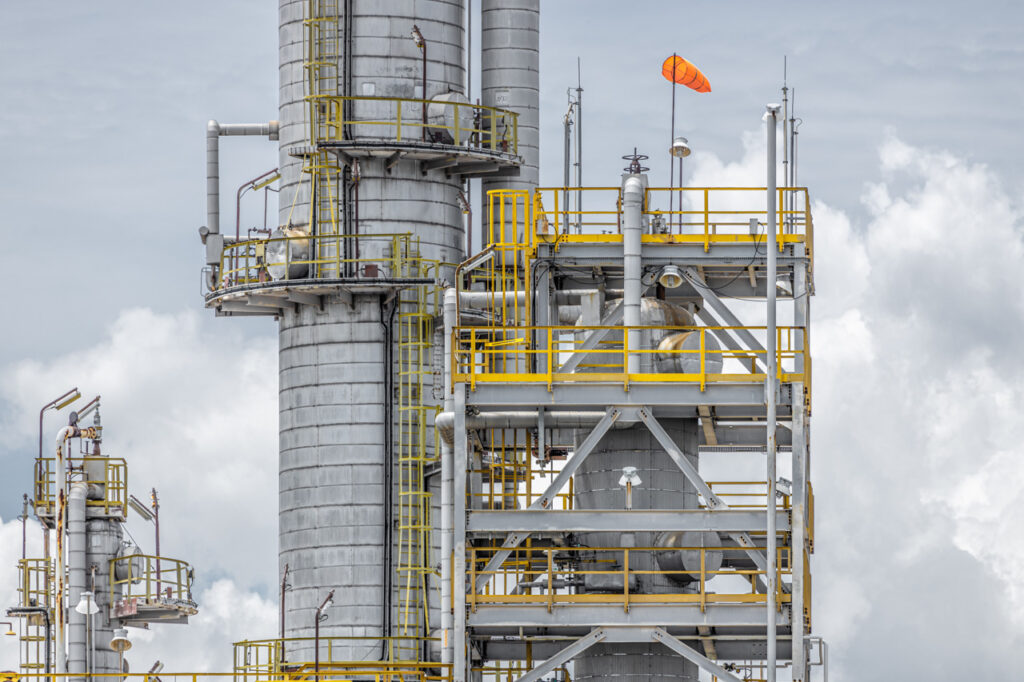
Canadian standards for sustainability accounting. The Canadian Sustainability Standards Board (CSSB) works to advance the adoption of sustainability disclosure standards in Canada. The CSSB develops Canadian Sustainability Disclosure Standards (CSDS) that align with the global baseline standards developed by the International Sustainability Standards Board (ISSB) – but with modifications to serve the Canadian public interest.
ECCC: Oil and gas methane regulations
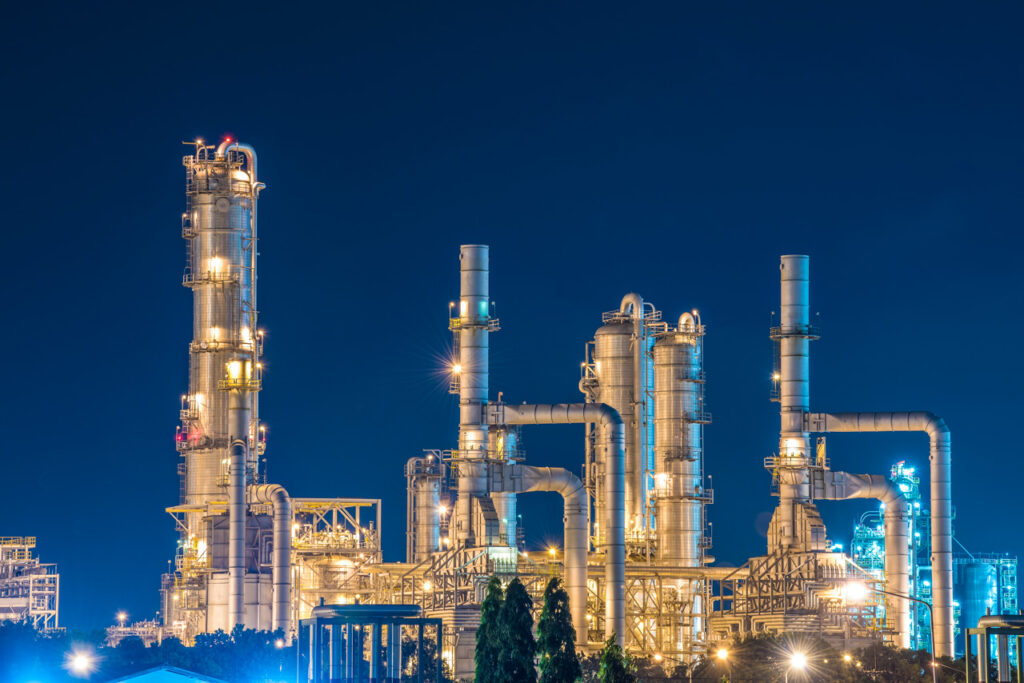
This webpage provides detailed information on Canadian methane regulations and resources aimed at reducing fugitive and vented emissions in the upstream oil and gas sector. It includes operational and maintenance standards, compliance requirements, and best practices to support industry efforts in minimizing methane emissions.
Canada’s official greenhouse gas inventory

Canada’s official greenhouse gas inventory page. Annual reports include the country’s annual reporting of greenhouse gas emissions, tracking trends and sources from 1990 onward. The data, submitted to the UNFCCC, covers various gases like CO₂, CH₄, and N₂O. The inventory supports Canada’s international climate commitments and offers detailed reports and data for public use.
Origins of oil and gas sector methane emissions: on-site investigations of aerial measured sources

This study combines high-resolution, high-sensitivity aerial survey data with subsequent on-site investigations of detected sources to investigate sources driving emissions, associated options for mitigation, and the effectiveness of regulations in achieving intended outcomes. Measurements were performed in British Columbia, Canada, an active oil- and gas-producing province with modern methane regulations featuring mandatory three-times-per-year leak detection […]
How to develop a fugitive emissions management program

This manual is a guide for industry on how to develop fugitive emissions management programs (FEMPs) that comply with Directive 060 regulation(Alberta, Canada). It clarifies requirements and includes best practices for managing fugitive emissions, which companies should consider when developing their programs.
Methane venting from uncontrolled production storage tanks at conventional oil wells: Temporal variability, root causes, and implications for measurement
Emissions from uncontrolled oil production storage tanks are poorly understood and characterized. This study reports and analyzes directly measured, temporally varying methane emission rates, total gas vent rates, and vent gas methane fractions from storage tanks at eight active upstream oil production sites in Alberta, Canada. Detailed statistical analyses were completed to suggest minimum sampling […]