Experts react: Decoding COP28’s impact and outcomes
The article from CSIS features expert reactions to COP28, focusing on its outcomes and impact on global climate efforts. It discusses key agreements and initiatives aimed at addressing climate change, assessing their effectiveness and the remaining challenges. Overall, the article provides insights into how COP28 has influenced international climate policy and garnered responses from diverse […]
The oil and gas industry’s methane problem in four charts
The article from BloombergNEF discusses the significant methane emissions problem in the oil and gas industry, illustrated through four key charts. It highlights the main sources of emissions, the challenges of tracking them accurately, and the importance of advanced detection technologies. The piece emphasizes North America’s leadership in investment for monitoring these emissions, driven by […]
How much gas is that?!
The “How Much Gas is That?” tool by Highwood Emissions Management helps users convert methane emission rates. It offers customizable settings, allowing users to adjust gas type, temperature, pressure, and other variables. This tool aids in understanding the scale of emissions, making it easier to compare and visualize methane rate outputs.
Satellite data to methane action: UNEP’s methane alert and response system
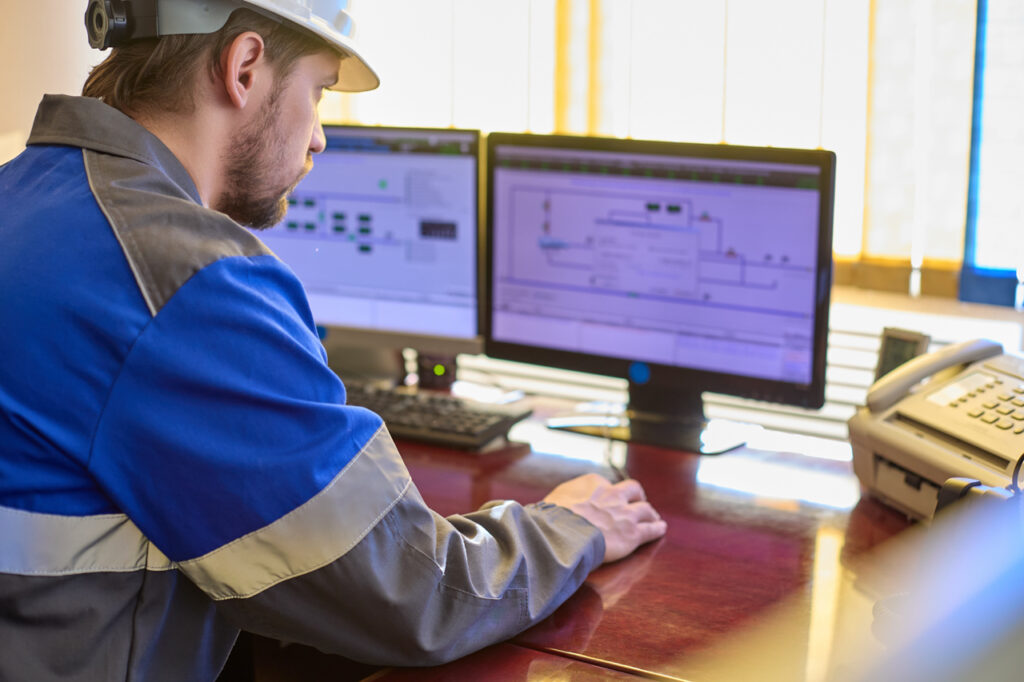
Case study demostrating how Methane Alert and Response System (MARS) has facilitated concrete methane action in Argentina. MARS is the first global satellite detection and notification system providing actionable data on major methane emissions around the world.
To meet global methane goals, improve gas data
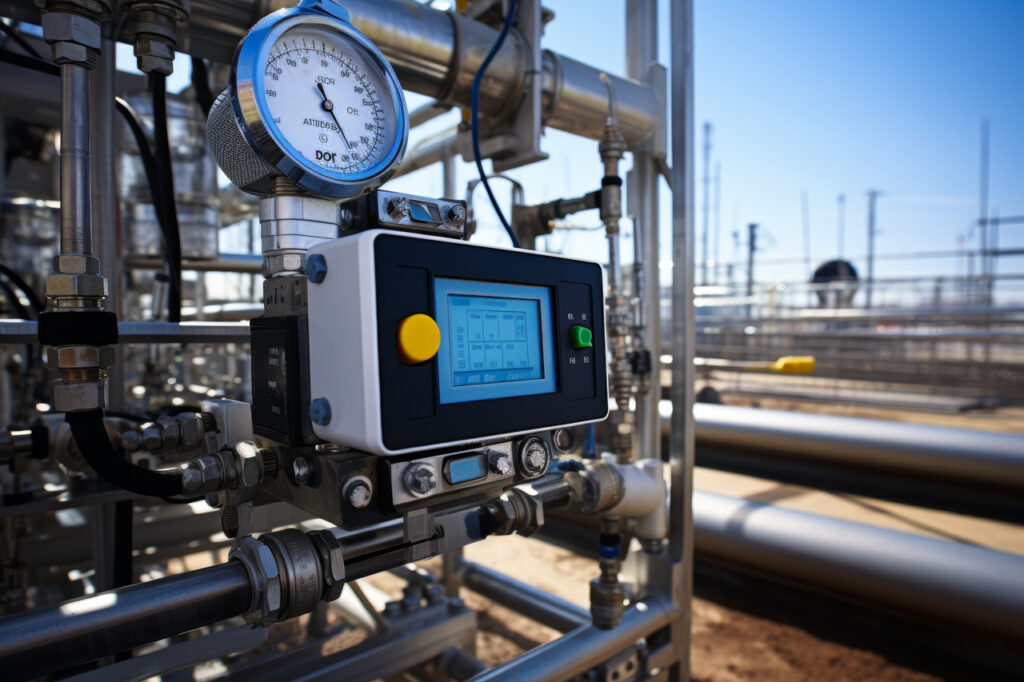
The article from CSIS focuses on the importance of improving data on methane emissions to meet global methane reduction goals. It emphasizes that accurate and comprehensive methane emissions data are crucial for effective policy-making and achieving environmental targets. The article discusses current challenges in measuring methane emissions from the oil and gas sector, highlighting gaps […]
The satellite helping slow climate change
Environmental advocate Millie Chu Baird details the heat-trapping side effects of a planet full of methane — and explains why understanding where it comes from and taking steps to reduce it is the single most important thing we can do to affect climate change in our lifetimes. (MethaneSAT is part of the Audacious Project, TED’s […]
The imperative of cutting methane from fossil fuels
An IEA report emphasizes the need to cut methane emissions from fossil fuels. It highlights the potential of existing technologies and policies to significantly reduce these emissions and calls for stronger regulations and international cooperation. The report calls for robust regulatory frameworks, increased investment, and targeted action to deploy cost-effective methane mitigation strategies, particularly in […]
IMEO Report
The International Methane Emissions Observatory’s third annual report provides decision makers a framework of action to track and monitor methane emissions to plan targeted and ambitious action for their mitigation. The International Methane Emissions Observatory (IMEO) of the United Nations Environment Programme (UNEP) is poised to catalyse rapid climate action informed through these new data, […]
Global Methane Pledge

Participants joining the Pledge agree to take voluntary actions to contribute to a collective effort to reduce global methane emissions at least 30 percent from 2020 levels by 2030. This is a global, not a national reduction target. Participants to the Pledge also commit to moving towards using the highest tier IPCC good practice inventory […]
A global review of methane policies reveals that only 13% of emissions are covered with unclear effectiveness
This study systematically examines existing methane policies across the energy, waste, and agriculture sectors. The authors found that only 13% of methane emissions are covered by methane mitigation policies. Moreover, the effectiveness of these policies is far from clear, mainly because methane emissions are largely calculated using potentially unrepresentative estimates instead of direct measurements.