Methane quantification performance of the quantitative optical gas imaging system using single-blind controlled release assessment
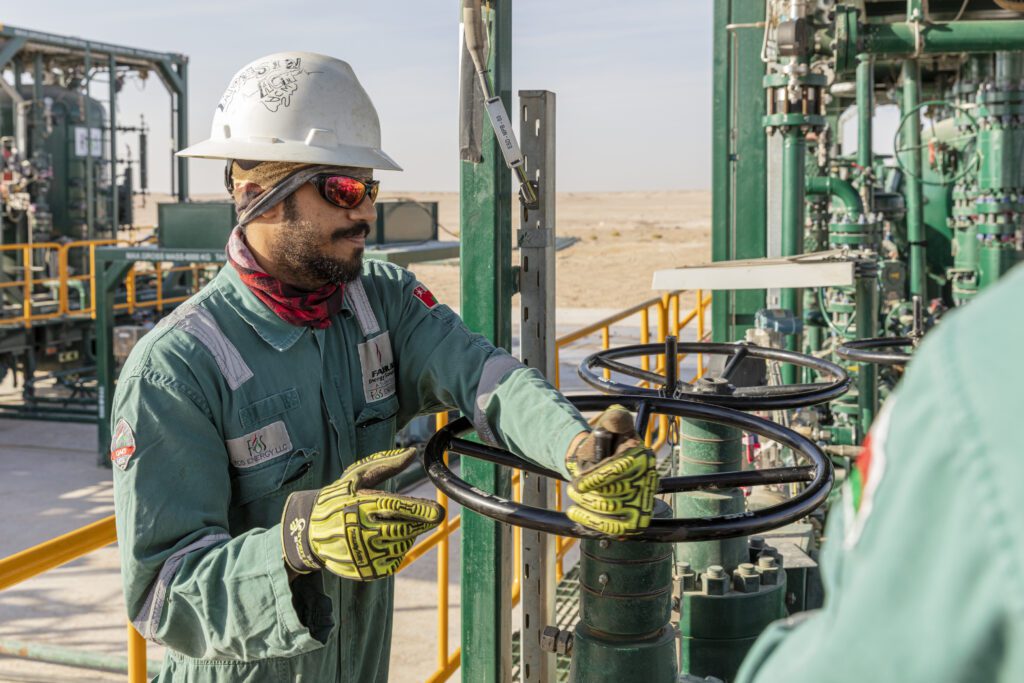
This study assessed the quantification performance of the FLIR QL320 Quantitative Optical Gas Imaging (QOGI) system for detecting methane leaks. Conducted in a controlled outdoor setting, the study included 357 measurements from 26 controlled releases of compressed natural gas. Results showed that 75% of measurements were within a quantification factor of 3, though quantification errors […]
Detection limits of optical gas imaging for natural gas leak detection in realistic controlled conditions
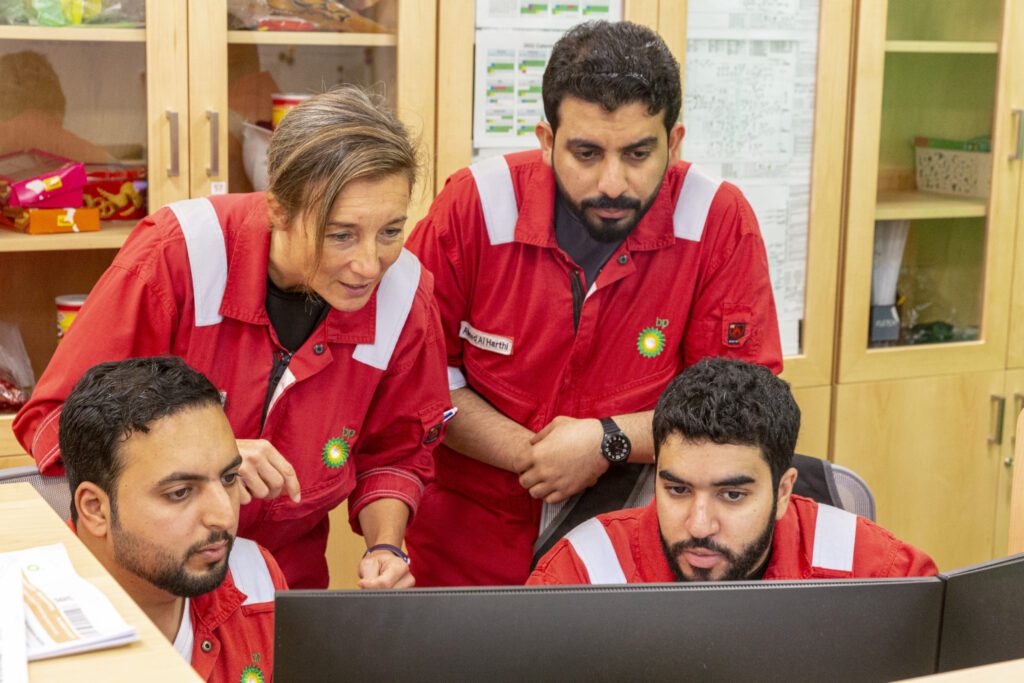
A study aimed to characterize the detection efficacy of Optical Gas Imaging (OGI) in finding leaks at natural gas facilities. The study revealed that surveyor experience and survey protocols significantly impact leak detection rates, with experienced surveyors detecting substantially more leaks than less experienced ones.
Comparing continuous methane monitoring technologies for high-volume emissions: A single-blind controlled release study
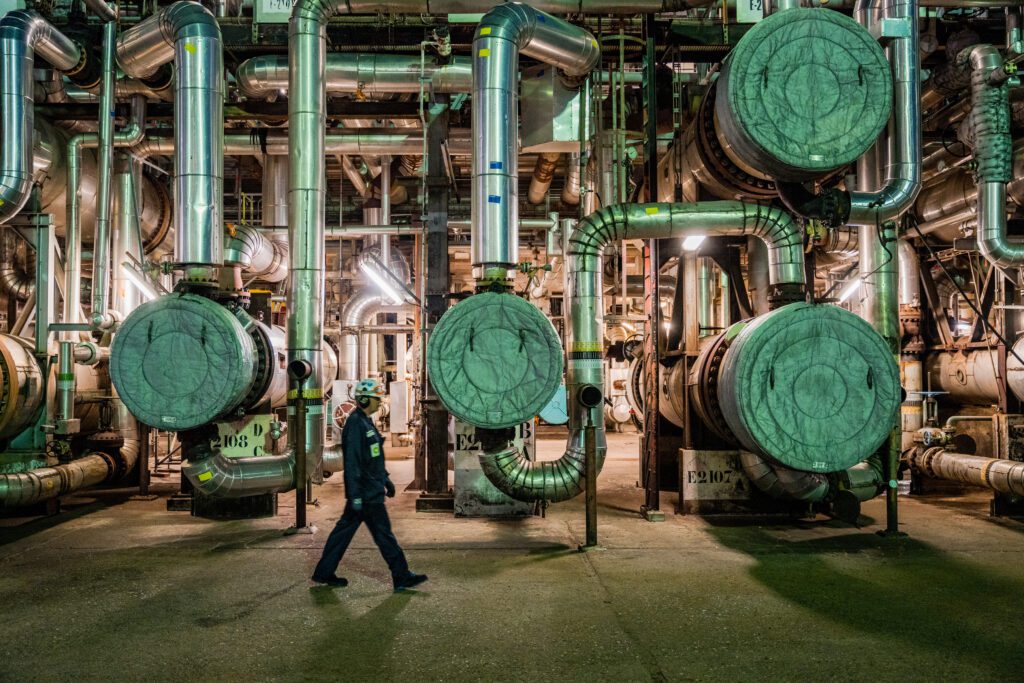
This study assessed eight commercial monitoring solutions, revealing varying performance in detection and quantification, with some systems underestimating emissions by 74%. While true positive rates were generally high, reliability varied, indicating that more research is needed to understand the strengths and weaknesses of these systems before broader adoption in regulatory frameworks.
Assessing the progress of the performance of continuous monitoring solutions under a single-blind controlled testing protocol
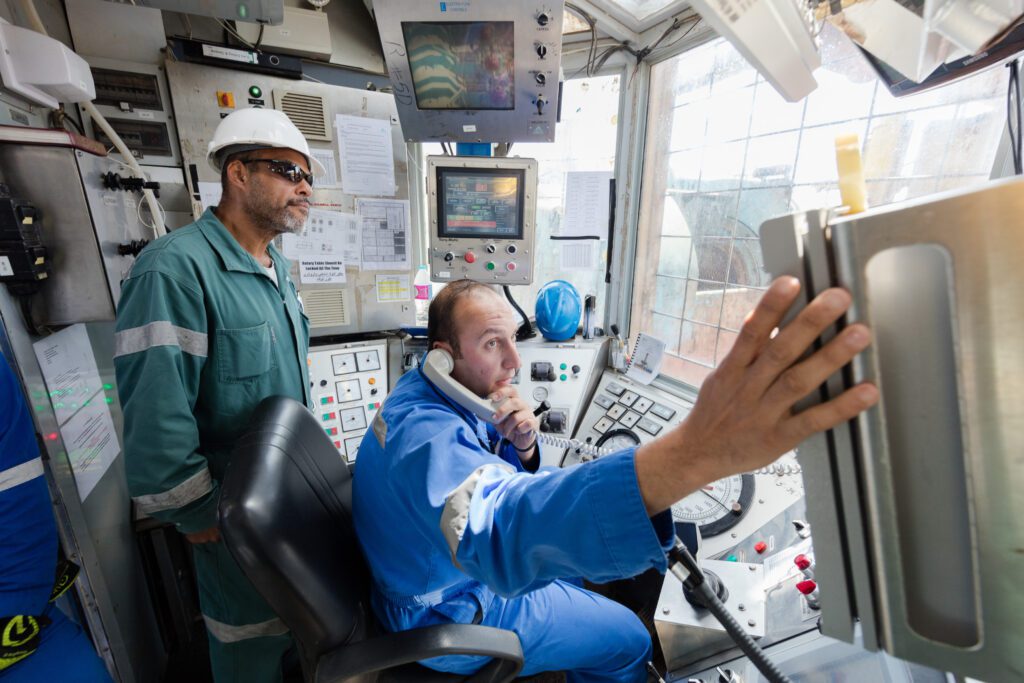
Study evaluating the performance of nine continuous monitoring (CM) solutions for methane emissions through controlled testing. Over 11 weeks, tests involved controlled releases of methane under varying conditions. There were significant uncertainties in emission quantification, with some solutions showing large underestimations and overestimations. The results underscore the importance of regular quality testing for advancing CM […]
Overview of methane monitoring technologies
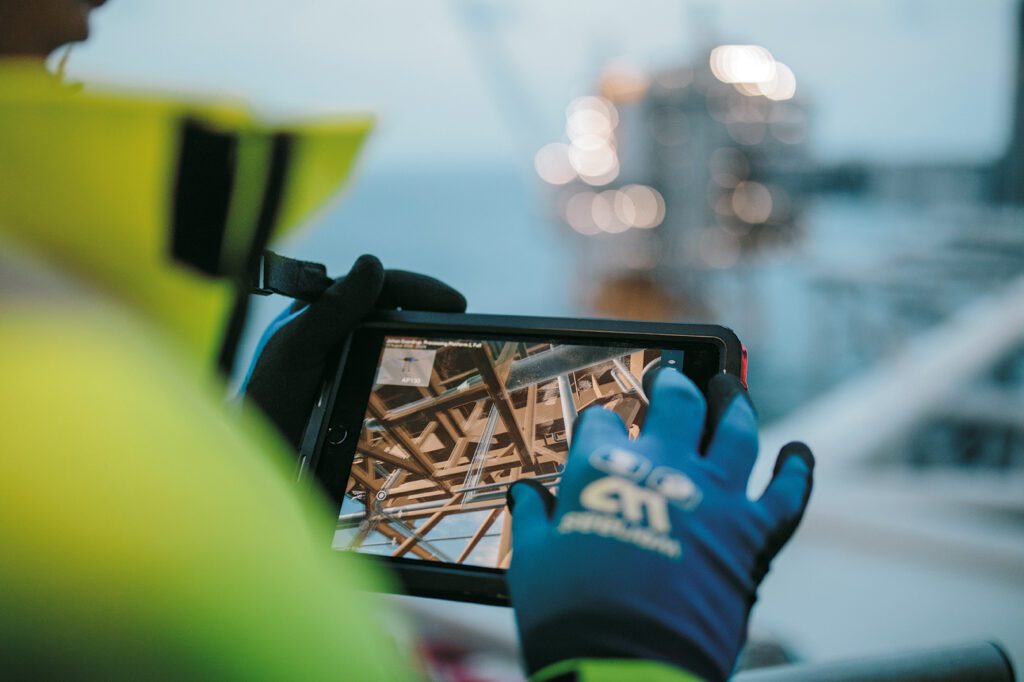
This resource provides a simple overview of various methane monitoring technologies, including a table that outlines the technology options, benefits, and disadvantages for each. It is particularly useful for industry professionals in methane emissions detection and quantification programs. This resource aids in understanding the various tools available to measure methane emissions, comparing their suitability for […]
IEA: Gas flaring
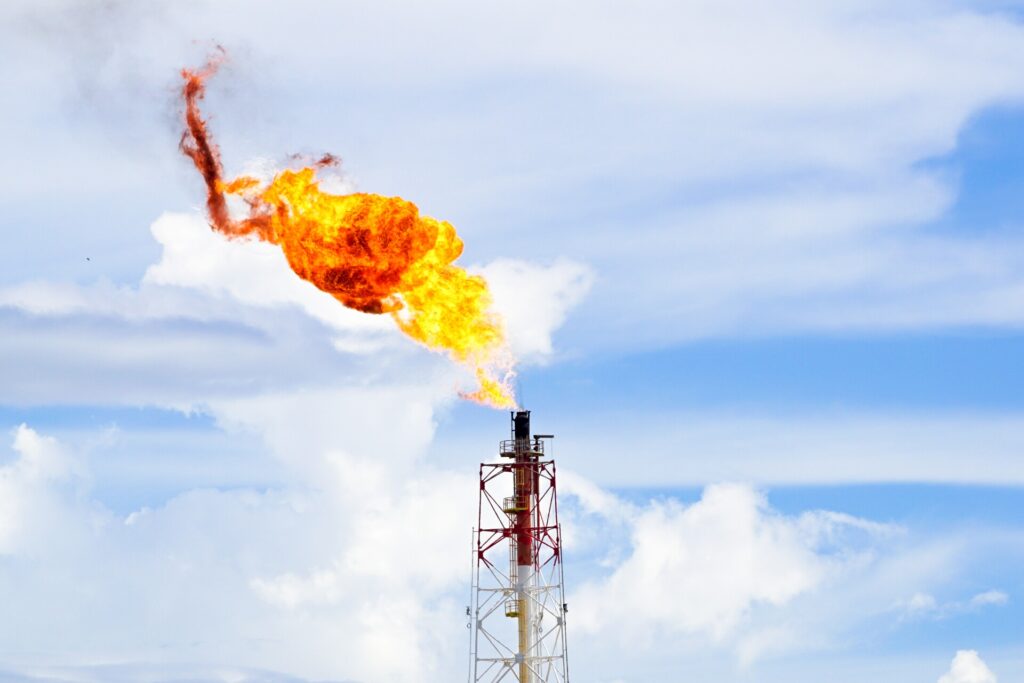
The IEA’s gas flaring page reviews global flaring trends, environmental impacts, and reduction strategies. It discusses flaring’s role in greenhouse gas emissions and offers links to policy frameworks, international collaborations, and practical recommendations to reduce emissions. The IEA’s gas flaring resource can be useful for regulators and policymakers developing emissions reduction frameworks and oil and […]
Methane emissions reduction from compressors pilot project
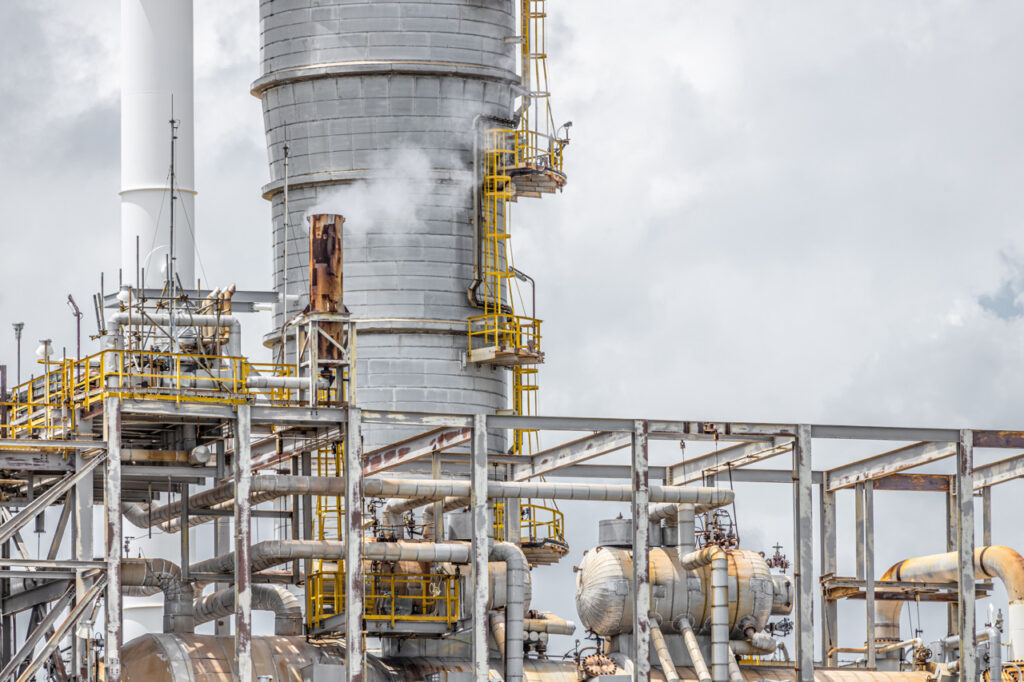
The document described a pilot project aimed at reducing methane emissions from compressors at PEMEX. It examines the transition from wet to dry seal systems benefits and cost assessment. The study demonstrates significant environmental and economic benefits from adopting dry seal technology.
Carbon Mapper
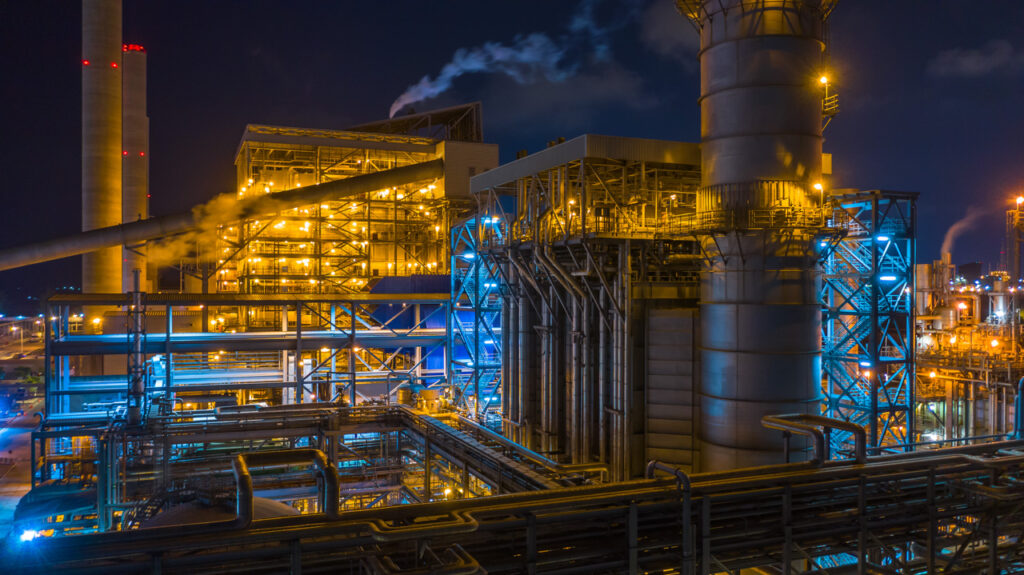
Carbon Mapper is a nonprofit focused on filling data gaps and improving global monitoring of methane and CO2 to enable science-based decision-making. Carbon Mapper uses remote sensing technology to detect, pinpoint, and quantify methane and CO2 at the scale of individual facilities. Website includes allows access to public available data and multiple technical resources in the area.
Voluntary emissions reduction initiatives in 2023
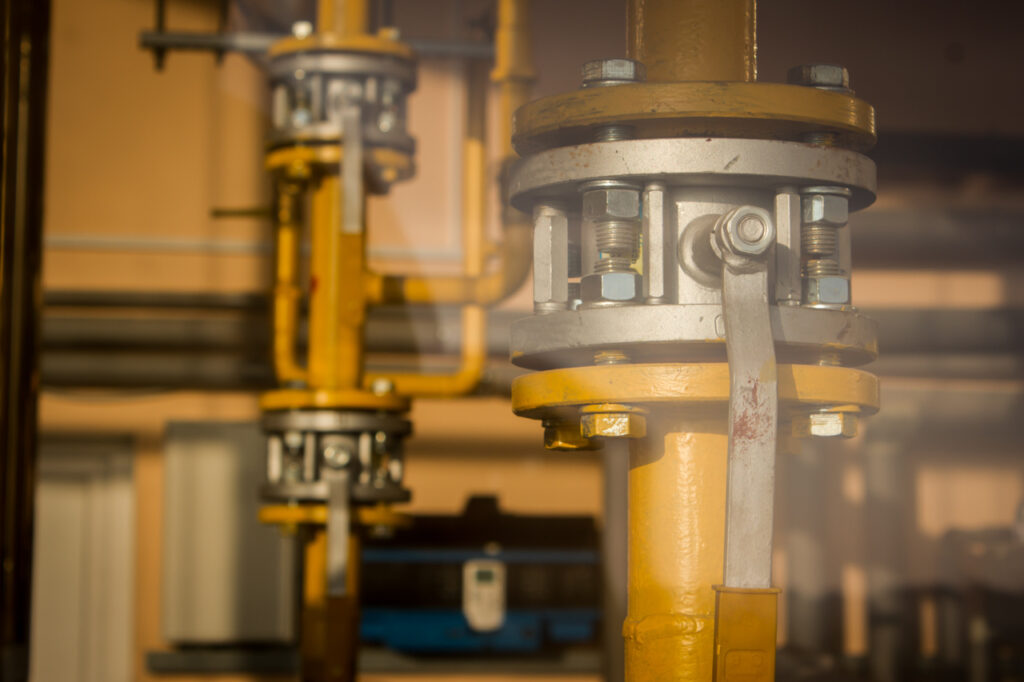
Voluntary Emissions Reduction Initiatives for the Oil & Gas Industry is for anyone who values responsible energy. This 2023 third edition updates existing and new programs, totalling 24 voluntary initiatives now available to the energy industry across the supply chain. New developments are highlighted as well as trends towards the use of shared methodologies and […]
Veritas Protocols
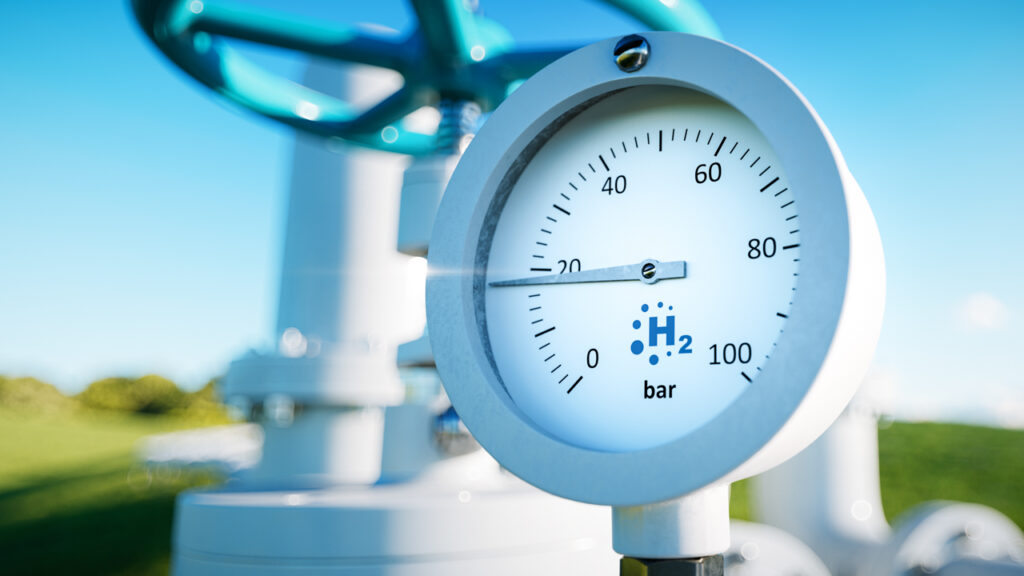
Veritas’ technical protocols provide companies and countries with methane emissions reduction targets with a credible, consistent, verifiable, and transparent methodology to measuring methane emissions. These protocols provide a more streamlined, refined, and standardized approach to accurately measure methane emissions. This, in turn, supports reduction efforts of global methane emissions.