
Reducing methane emissions: Best practice guide – flaring
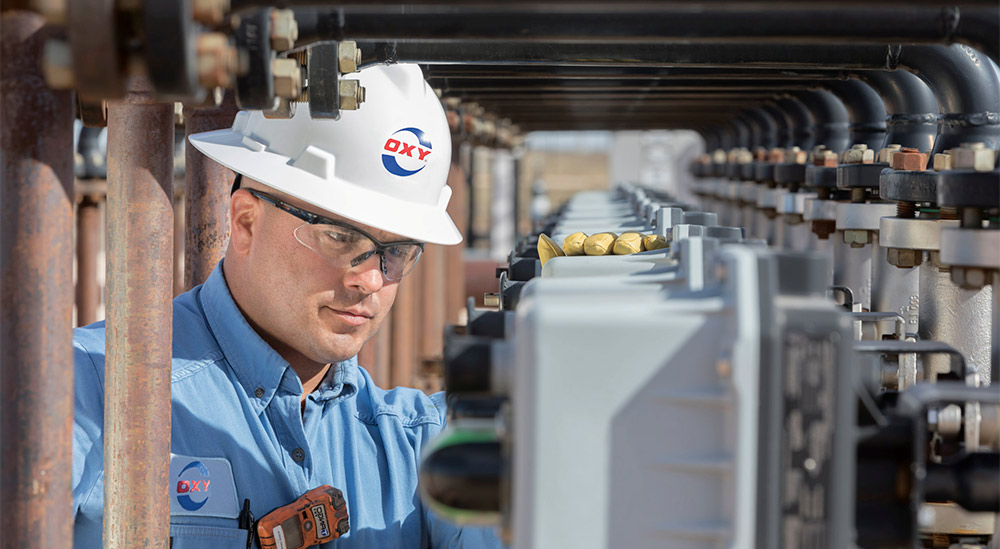
This best practice guide outlines strategies for flare abatement, including preventing waste gas production, recovering gas for sale, re-injecting gas into reservoirs, or using waste gas for power generation. For unavoidable flaring, it recommends enhancing flare efficiency to reduce methane emissions, offering practical solutions to improve environmental performance and operational sustainability.
Guidelines for design and operations to minimize/avoid flaring sources

This report provides practical guidance for designing and implementing solutions to minimize or eliminate flared gas in the upstream oil and gas industry. It covers strategies for reducing flaring volumes, offering actionable insights to improve operational efficiency and environmental performance.
Guidelines for design and operation of flare gas recovery systems
Guidelines focus on continuous flaring sources in normal operations and address measures for source recovery, flare closure, and flare ignition. This Report has been developed to assist engineering and operations staff at production, refining, and petrochemical owners and operators, and engineering staff at design consultancies and at engineering, procurement, and construction contractors.
Flaring management guidance – a summary
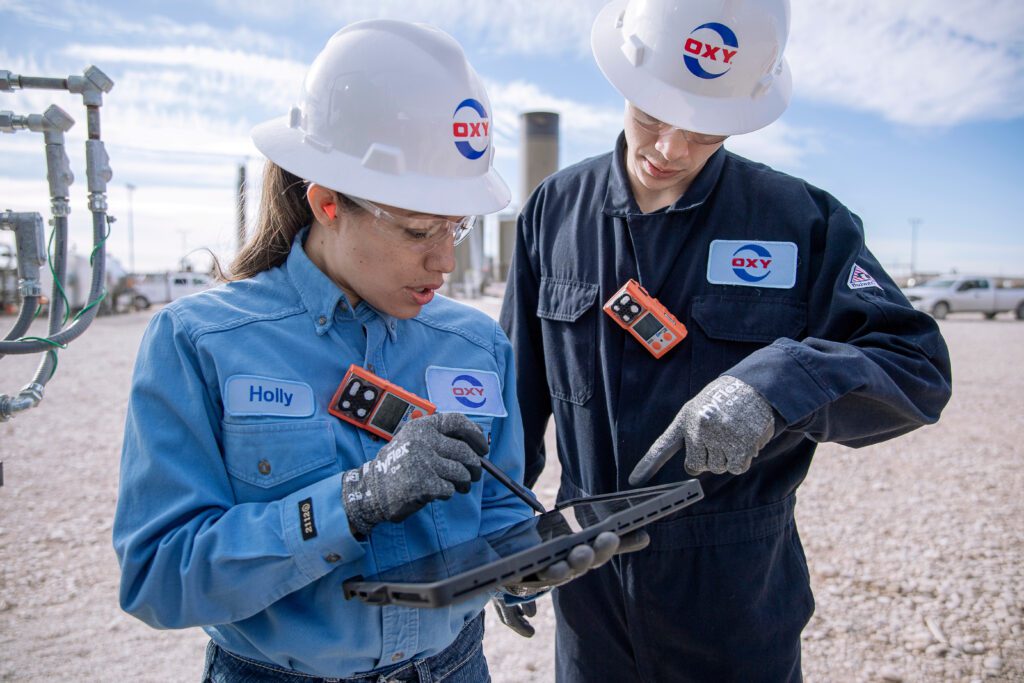
Flaring management guidance, developed by Ipieca, IOGP and GGFR in partnership, outlines new developments in flaring management and reduction, and examines industry experiences with eliminating flaring, new technologies, business models, operational improvements and regulatory policy. It also features case studies and examples of positive change.
Reducing methane emissions: Energy use
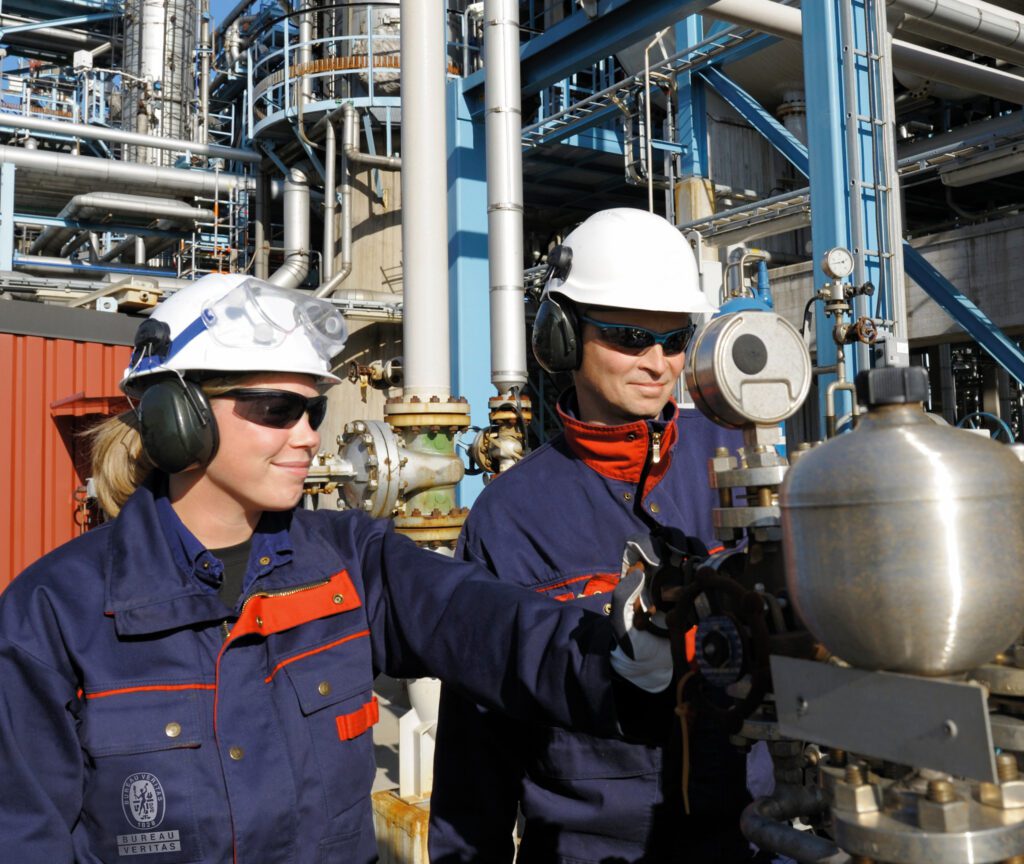
This document provides guidance on reducing methane emissions from the use of natural gas as fuel in oil and gas operations. Methane slip, the unburned methane released from combustion engines, is a key emission source. While generally small, it can be significant in areas with high natural gas usage. The guide emphasizes best practices for […]
Reciprocating compressors and methane slip

This study examines the relative impacts of temperature, radicals (partially reacted chemical species), and turbulent jet mixing on ignition performance. It also highlights the need for cost-effective methods to quantify methane emissions in equipment exhaust in the field. This resource is valuable for professionals seeking to understand methane emission sources and functional aspects of such […]
MiQ compatibility assessment
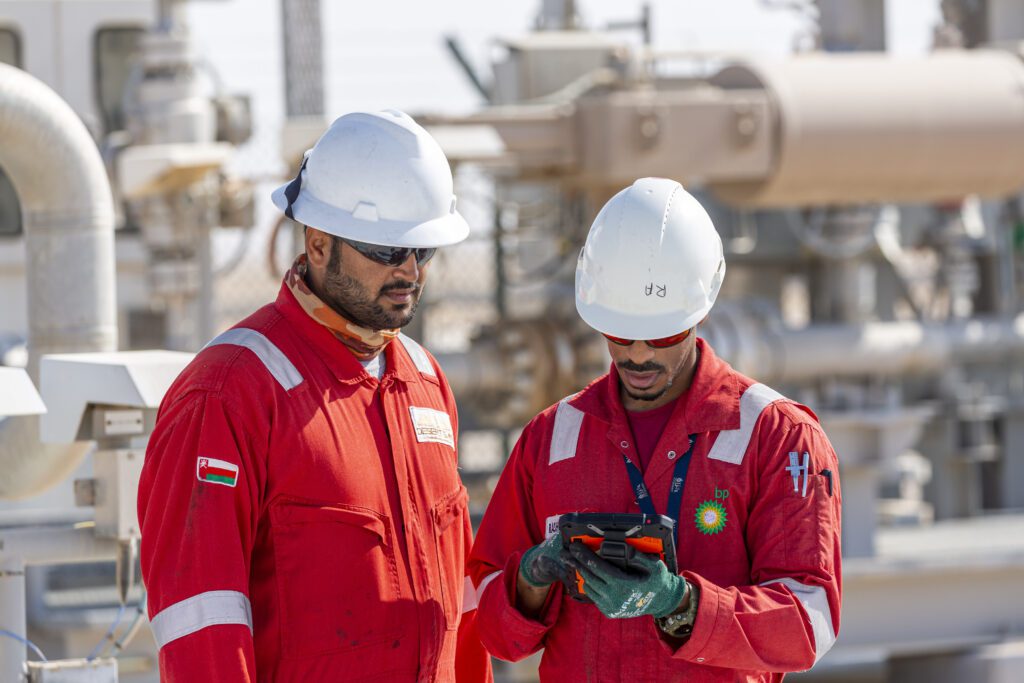
The MiQ Foundation, as the Standard holder, has developed this monitoring technology compatibility assessment to streamline market research conducted by Operators and other stakeholders to assess the compatibility of methane monitoring technologies against the requirements in the Monitoring Technology Deployment pillar of the MiQ Standard. This resource is particularly useful for companies selecting technologies to […]
Reducing methane emissions: Best practice guide – identification, detection, measurement and quantification

This guide provides an overview of the methods used for identifying, detecting, measuring, and quantifying (IDM&Q) methane emissions, along with references to other documents offering technical details on these methods and technologies. It highlights that the best practices for IDM&Q depend on factors such as the characteristics of the facility, the scale of emissions, the […]
OGMP technical guidance documents
Technical Guidance Documents (TGDs) on each of the nine core emission sources covered by OGMP. The guidance documents present suggested methodologies for quantifying methane emissions from each source and describe established mitigation options that could be referenced when determining if the source is “mitigated. The resources include technical guidance documents addressing various aspects of methane […]
Methane Tracker
Interactive database of country and regional estimates for methane emissions and abatement options. The page also contains links to annual reports evaluating annual trends. The last year’s report provided the latest estimates of emissions from across the sector – drawing on the more recent data and readings from satellites and ground-based measurements – and the […]