MEET tool

University of Texas methane emissions estimation tool. MEET is an open-source modeling tool that helps regulators, industry and the research community more accurately track methane emissions in oil and gas production facilities and basins. Developed by the University of Texas at Austin (UT), in collaboration with Colorado State University and SLR Consulting, the source code […]
EPA’s final rule to reduce methane and other harmful pollution from oil and gas operations
US EPA’s final rule summary. This document provides a comprehensive overview of the US EPA’s final rule on methane emissions, focusing on key regulatory elements. It outlines the applicability of the NSPS OOOOb rule, specifying compliance dates and operator requirements. It also introduces how advanced methane detection technologies can be used and the Super-Emitter program. […]
Inflation Reduction Act – methane regulation article

In this legal analysis Harvard Environmental & Energy Law Program explain how the text of the IRA established the framework that EPA must follow, and the flexibility that EPA may be able to include in the final rule consistent with the statute. They also highlight potential tension points for stakeholders as they consider how to […]
Standards of performance for new, reconstructed, and modified sources and emissions guidelines for existing sources: Oil and Natural Gas Sector Climate Review
Final Rule for Oil and Natural Gas Operations. The rule includes standards to reduce methane and volatile organic compounds (VOCs) from new, modified, and reconstructed sources. It also includes Emissions Guidelines for states to follow as they develop plans to limit methane emissions from existing sources.
Energy emissions modeling and data lab

EEMDL will build models and tools to improve greenhouse gas emissions accounting across energy supply chains. These models and tools will be peer-reviewed, transparent, timely, measurement-based, and made publicly available for all stakeholders. EEMDL’s suite of models are classified into five categories, based on applications. As these models are built and made publicly available more […]
EPA Subpart W
Subpart W is part of the U.S. EPA’s Greenhouse Gas Reporting Program, focusing on reporting methane and other greenhouse gas emissions from the petroleum and natural gas sectors. This webpage provides essential resources for Subpart W reporters, including guidance on compliance, links to rulemaking documents, and tools to support accurate data submission. It helps facilities […]
Compendium of GHG emissions methodologies for the oil and gas industry

The API GHG Compendium of Emission Factors and Methodologies provides an updated collection of recognized methods and emission factors for the oil and natural gas industry. This comprehensive document outlines best practices and methodologies for estimating greenhouse gas emissions across all industry segments. It is designed to enhance consistency and accuracy in emissions estimation, serving […]
Bureau of Land Management issues rule to reduce wasted gas from oil and gas operations
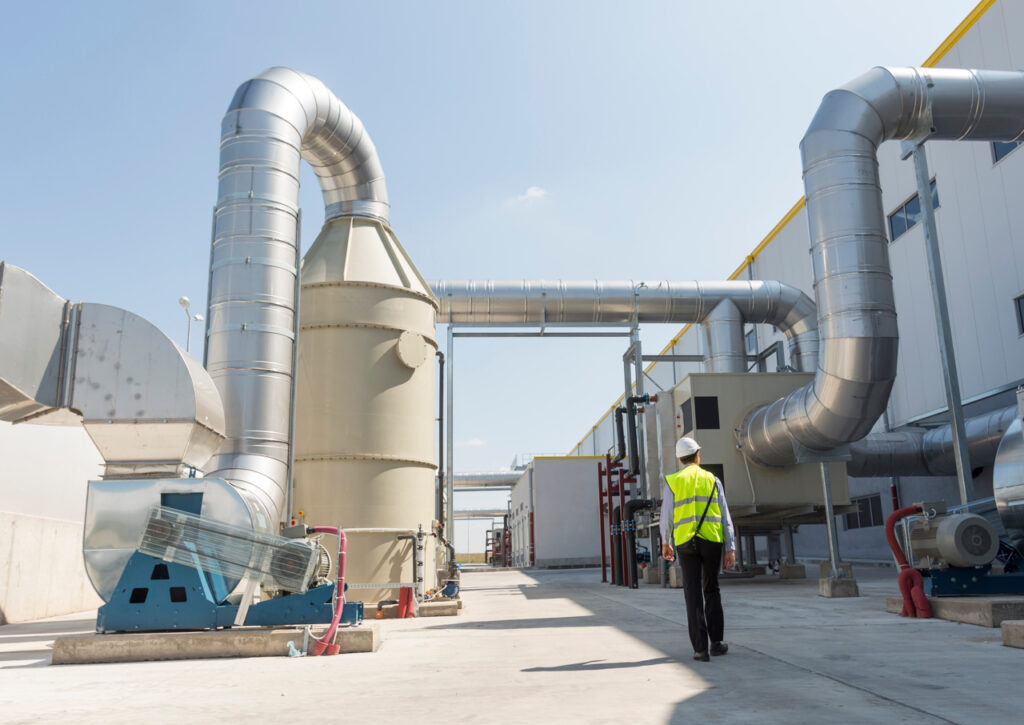
The article from the Harvard Environmental & Energy Law Program discusses the Bureau of Land Management’s new rule aimed at reducing wasted gas from oil and gas operations. The rule focuses on minimizing methane emissions by requiring operators on federal lands to adopt improved technologies and practices for capturing and utilizing natural gas that would […]
US EPA: US inventory of GHG emissions and sinks

The EPA’s “Inventory of U.S. Greenhouse Gas Emissions and Sinks” page provides comprehensive data on U.S. greenhouse gas emissions from 1990 to the latest available year. It details emissions by source, gas type, and economic sector and highlights trends, such as increases or decreases relative to economic activity and land-use changes. The national greenhouse gas […]
EPA’s natural gas STAR program
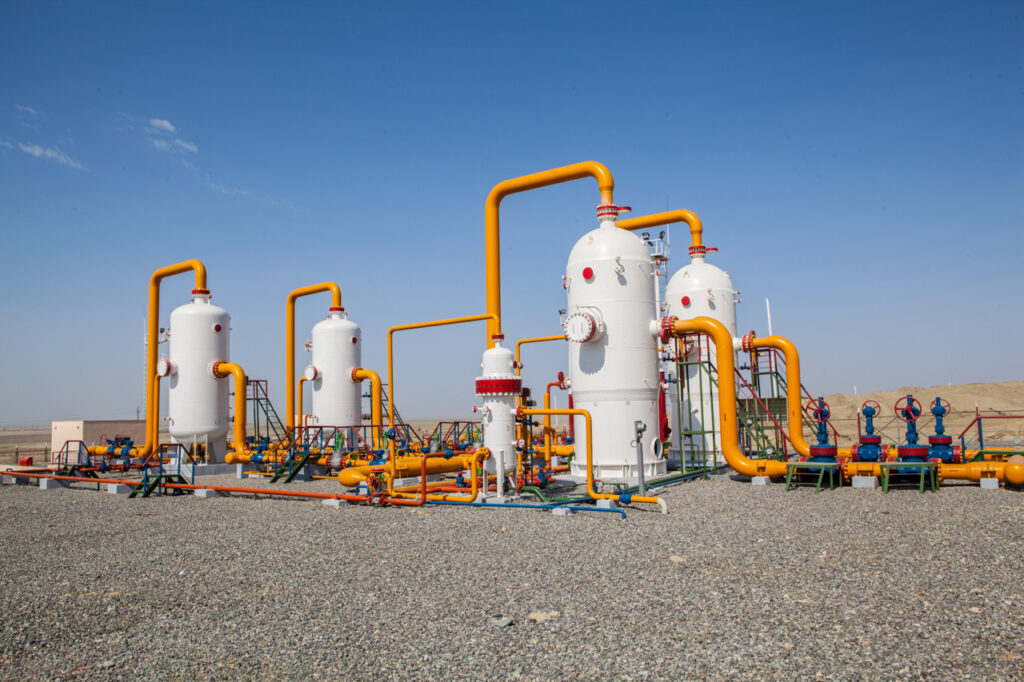
EPA’s Natural Gas STAR Program webpage includes a wide range of technical resources to assist companies in managing methane emissions. It includes a tool to identify available mitigation technologies, technical presentation materials, educational videos on methane emissions, and a list of equipment and service providers to support emission reduction efforts in the oil and gas […]