
MRV of methane emissions and consequences for LNG Trade

This paper provides an overview of progress on the measurement, reporting and verification of methane emissions from 2022-25 with a particular focus on the LNG sector, and considers how this sector may be impacted by regulation to be introduced in the period up to 2030, particularly in the European Union and the United States.
Global Methane Tracker 2024

The International Energy Agency’s Global Methane Tracker 2024 provides updated estimates of methane emissions from the energy sector, incorporating the latest satellite and ground-based measurements. The report analyzes emissions trends, evaluates the effectiveness of current policies and pledges, and outlines the investment needed to achieve significant reductions.
Satellite insights on global methane super emitters
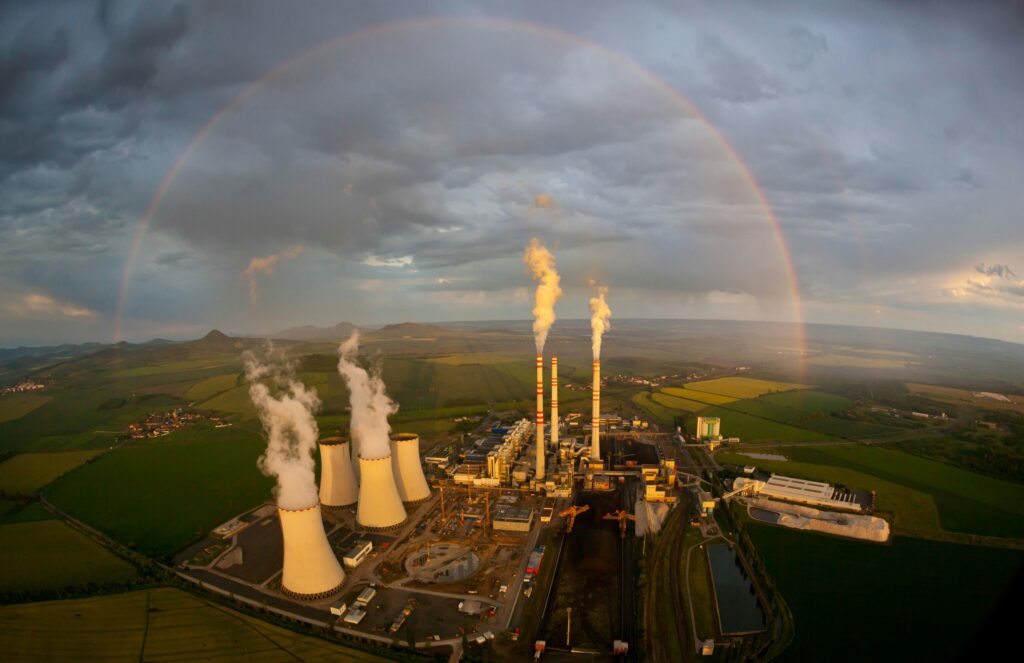
This technical report evaluates the cost-effectiveness of various methane emission reduction measures in the oil and gas industry. It provides a comprehensive analysis of implementation costs, potential methane reductions, and the associated economic benefits. The report aims to support stakeholders in making informed decisions regarding methane mitigation strategies.
Using satellites to find emission sources at super emitters

This discussion explores how methane-sensing satellites enable detection of super-emitter events globally, analyzing their role in MRV and methane pricing frameworks. It examines regulatory responses and policy instrument designs that incorporate satellite observations to incentivize mitigation and transparency.
Carbon footprint of subsea leak detection and repair
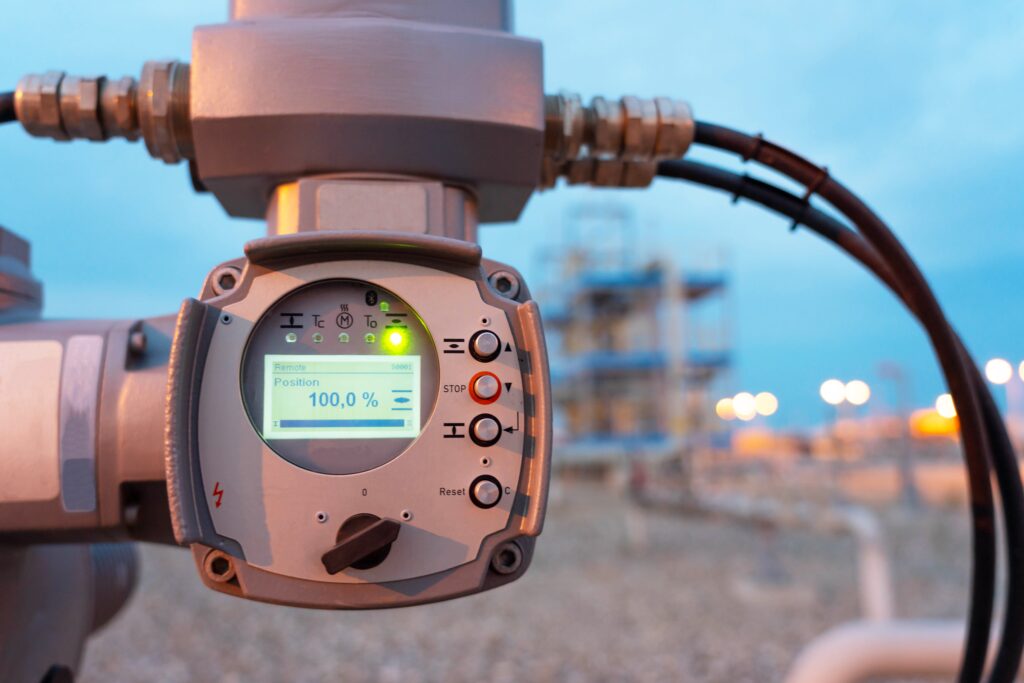
This report assesses the carbon footprint of subsea LDAR (Leak Detection and Repair) activities using a life-cycle approach, based on input from operators and service providers on the Norwegian continental shelf. It evaluates inspection, survey, quantification, and repair of leaks, with a focus on aligning with EU methane regulations.
Methane emissions abatement potential, costs in the Arctic
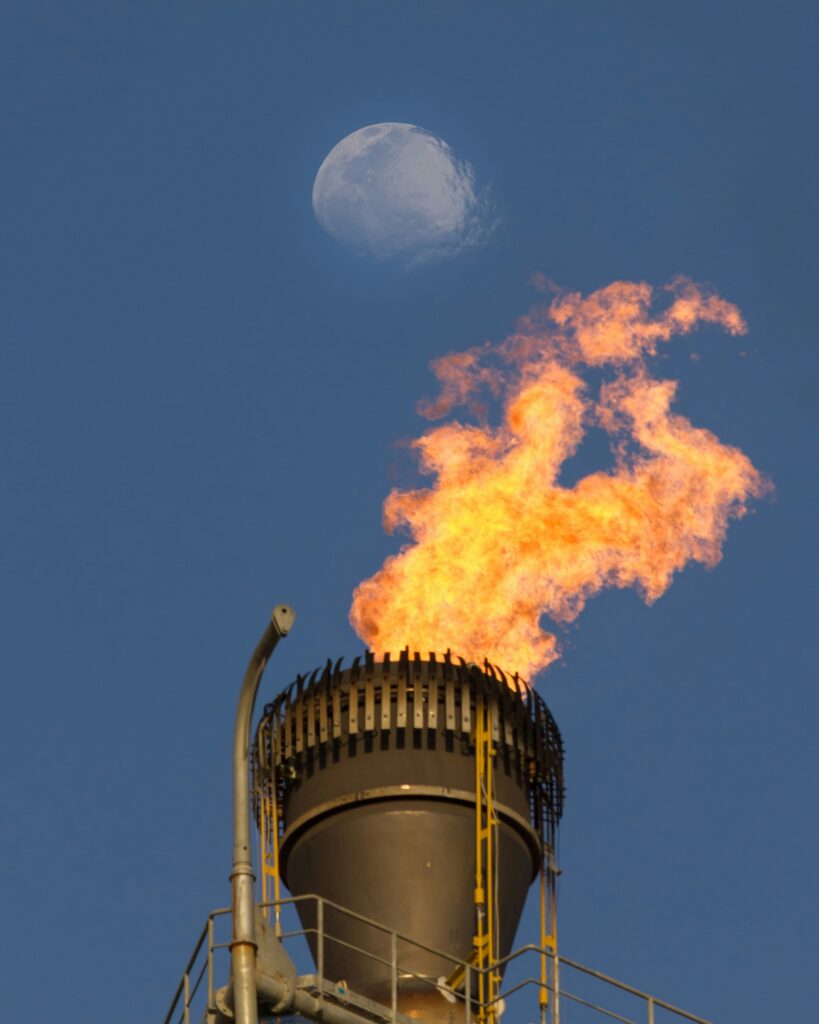
This report assesses the potential and costs of methane abatement in the oil and gas sectors of Arctic countries, including Russia, the USA, Canada, and Norway. It identifies key emission sources, evaluates mitigation technologies, and provides cost analyses to inform policy and operational decisions aimed at reducing methane emissions in the Arctic region.
Updated cost-effectiveness tool & report for US

This report, commissioned by CATF (https://www.regulations.gov/comment/EPA-HQ-OAR-2021-0317-0845) is to be used as an annex to the 2016 report, ‘Zero emission technologies for pneumatic controllers in the USA’. This report presents advancements in the zero-emission controller technologies presented in the 2016 report, and newer technologies suitable in this context.
Small scale technologies for using associated gas
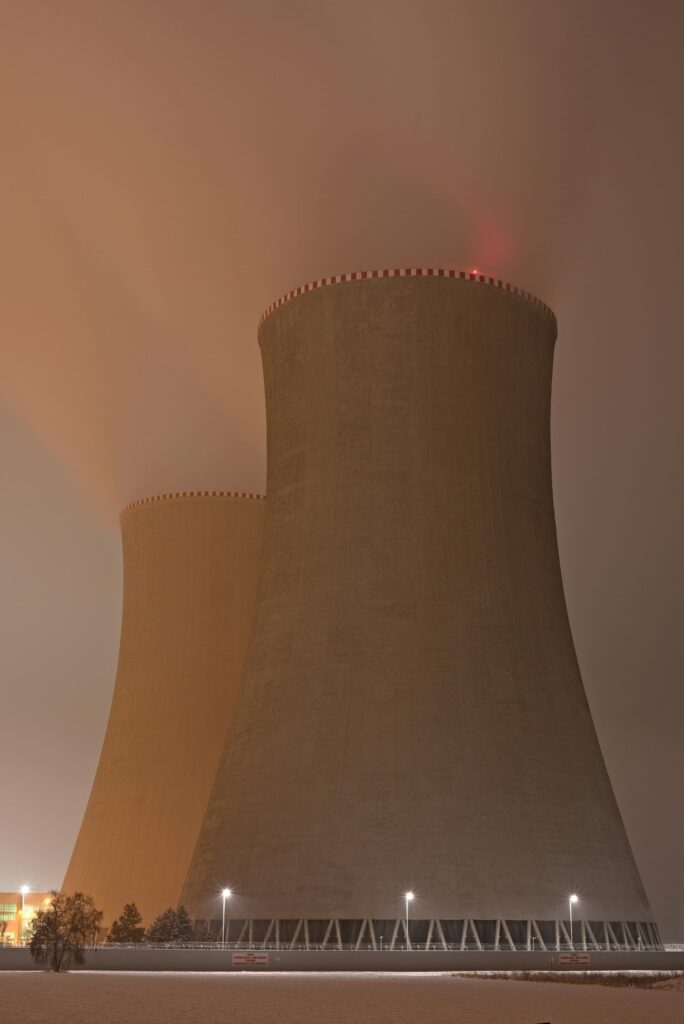
This report examines small-scale technologies designed to utilize associated gas, which is often flared or vented during oil production. It evaluates various solutions, including gas-to-power, gas-to-liquids, and compressed natural gas (CNG) systems, focusing on their technical feasibility, economic viability, and environmental benefits. The study aims to provide oil and gas operators with insights into implementing […]
Subsea methane detection & quantification technologies

This report provides a comprehensive review of technologies for detecting and quantifying methane emissions in subsea environments. It evaluates various methods, including acoustic sensors, optical systems, and remote sensing techniques, assessing their applicability, accuracy, and limitations in offshore settings. The document aims to guide stakeholders in selecting appropriate technologies for effective methane emissions management in […]
Roadmap to develop an EU methane import standard
This report outlines a comprehensive roadmap for establishing a methane import standard within the European Union (EU). Recognizing that 90% of the gas consumed in the EU is imported, the document emphasizes the importance of addressing methane emissions associated with these imports. It discusses the necessity of such a standard, assesses legal implications, and provides […]