
US EPA – Overview of greenhouse gases

The EPA’s methane overview webpage. It highlights its contribution to U.S. greenhouse gas emissions and major sources. The page discusses emission reduction strategies and have links to voluntary and regulatory programs, including EPA’s Natural Gas STAR.
IEA: Gas flaring

The IEA’s gas flaring page reviews global flaring trends, environmental impacts, and reduction strategies. It discusses flaring’s role in greenhouse gas emissions and offers links to policy frameworks, international collaborations, and practical recommendations to reduce emissions. The IEA’s gas flaring resource can be useful for regulators and policymakers developing emissions reduction frameworks and oil and […]
Midstream quantification, monitoring, reporting and verification project

The Quantification, Monitoring, Reporting, and Verification (QMRV) Project is designed to provide an accurate representation of Cheniere’s (a leading liquefied natural gas (LNG) company) supply chain greenhouse gas emissions. The project’s objectives include enhancing emissions transparency, verifying the accuracy of reported emissions, and driving emissions reductions. This page offers resources related to the project, making […]
Canada’s official greenhouse gas inventory

Canada’s official greenhouse gas inventory page. Annual reports include the country’s annual reporting of greenhouse gas emissions, tracking trends and sources from 1990 onward. The data, submitted to the UNFCCC, covers various gases like CO₂, CH₄, and N₂O. The inventory supports Canada’s international climate commitments and offers detailed reports and data for public use.
US EPA: US inventory of GHG emissions and sinks

The EPA’s “Inventory of U.S. Greenhouse Gas Emissions and Sinks” page provides comprehensive data on U.S. greenhouse gas emissions from 1990 to the latest available year. It details emissions by source, gas type, and economic sector and highlights trends, such as increases or decreases relative to economic activity and land-use changes. The national greenhouse gas […]
EPA’s natural gas STAR program
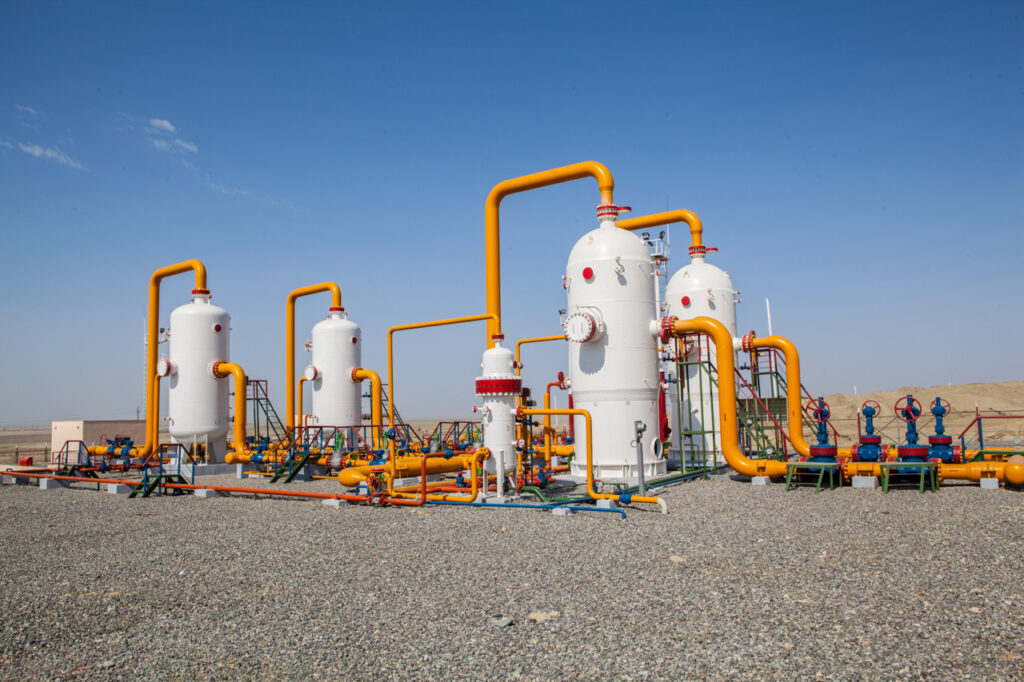
EPA’s Natural Gas STAR Program webpage includes a wide range of technical resources to assist companies in managing methane emissions. It includes a tool to identify available mitigation technologies, technical presentation materials, educational videos on methane emissions, and a list of equipment and service providers to support emission reduction efforts in the oil and gas […]
MiQ compatibility assessment

The MiQ Foundation, as the Standard holder, has developed this monitoring technology compatibility assessment to streamline market research conducted by Operators and other stakeholders to assess the compatibility of methane monitoring technologies against the requirements in the Monitoring Technology Deployment pillar of the MiQ Standard. This resource is particularly useful for companies selecting technologies to […]
Advanced methane technology alternative test method portal

EPA portal to submit requests for alternative test methods (ATM). ATM request has three primary pieces: 1) a document describing how your technology works, from first principles through the solution; 2) supporting documents demonstrating the technology works as stated and showing applicability; 3) the formal ATM. All those documents are available in the portal for all […]
Approved instrument monitoring method for oil and gas

Page with alternative technologies approved for use to meet Regulation 7 requirements. Submitted Alternative AIMM (Approved Instrument Monitoring Method) applications and approval letters are available for download. The application requirements include details around commercial availability of the proposed technology, its reliability in detecting emissions, and its effectiveness compared to traditional methods like IR cameras or […]
Alternative fugitive emission management program approvals

List of the alternative technology plans which have been approved for use on oil and gas sites in Alberta by the Alberta Energy Regulator. Aerial, continuous monitors, vehicle-mounted, and drone-mounted technologies have been approved, usually paired with OGI for following up on detections. AER published in the page performance reports that track overall effectiveness and […]