US LNG exports: DOE and FERC roles and boundaries

The article from CSIS examines the roles and boundaries of the Department of Energy (DOE) and the Federal Energy Regulatory Commission (FERC) in regulating U.S. LNG exports. It discusses how the DOE oversees LNG exports, focusing on its authority to grant export licenses based on public interest considerations. In contrast, FERC manages the approval process […]
US LNG export boom, defining national interests

The article from CSIS discusses the boom in U.S. LNG (liquefied natural gas) exports and its implications for defining national interests. It examines how the rapid expansion of LNG exports from the United States has transformed the country into a significant player in global energy markets. The article analyzes the economic benefits of LNG exports, […]
EU methane rules: Impact for global LNG exporters
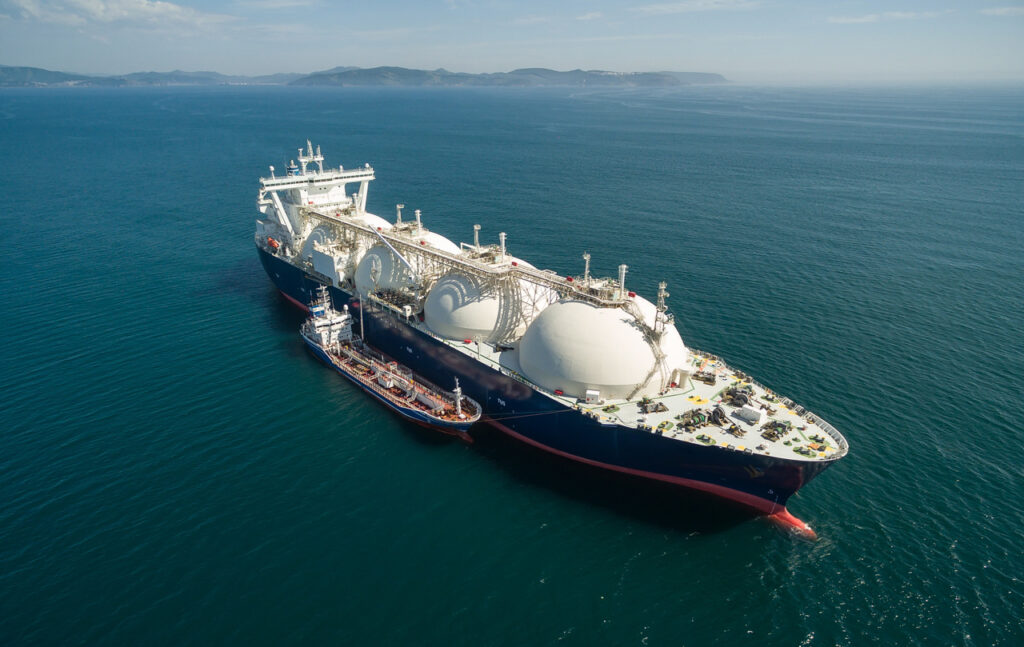
The article from CSIS discusses the European Union’s new methane rules and their potential impact on global LNG exporters. It highlights how the EU’s stringent regulations aim to curb methane emissions across the natural gas supply chain, from production to consumption. This move could pose challenges for LNG exporters worldwide, particularly those with less stringent […]
MRV of methane emissions and consequences for LNG Trade

This paper provides an overview of progress on the measurement, reporting and verification of methane emissions from 2022-25 with a particular focus on the LNG sector, and considers how this sector may be impacted by regulation to be introduced in the period up to 2030, particularly in the European Union and the United States.
EU methane regulation and consequences for LNG
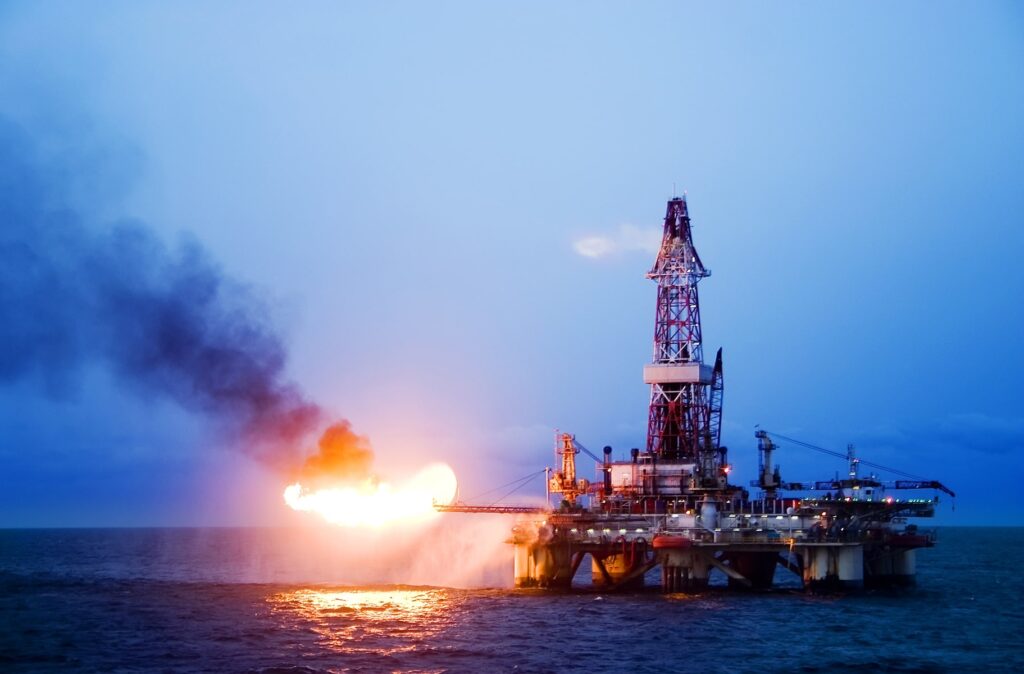
This webinar explores the implications of the EU Methane Regulation, with a particular focus on imported natural gas and LNG. It addresses the major regulatory changes introduced, examines how the oil and gas industry has responded so far, and outlines key considerations for companies preparing for compliance. The session also discusses the potential role of […]