Methane mitigation has entered a decisive decade. With 2030 targets approaching and regulatory frameworks continuing to evolve, oil and gas operators are under increasing pressure to translate ambition into measurable emissions reductions.
Following a recent webinar hosted by GHGSat, I’ve reflected on the five core themes from the discussion.

Lauren Ward
Consultant for OGCI
01
A decade of shared experience is shaping the next phase of action
OGCI’s work on methane has evolved since 2015 from a platform for member companies to exchange knowledge into a broader effort to translate that experience into practical guidance for the wider industry.
Over the past decade, and particularly in recent years, member companies have built deep expertise in detection, quantification, and mitigation. Increasingly, the focus has been on extending that experience beyond OGCI through initiatives such as the Satellite Monitoring Campaign and the Oil & Gas Decarbonization Charter to support wider adoption of methane management practices.
With near-zero methane and zero routine flaring ambitions set for 2030, the discussion has moved to implementing action effectively and at scale.
The tools to reduce methane already exist, and many reductions can be achieved at low or minimal cost. The challenge is ensuring that detection leads to mitigation.
To address that gap, OGCI has launched a collaboration with Carbon Mapper focused on connecting satellite detection to abatement. The collaboration combines publicly accessible satellite methane data with direct engagement with operators so that detection results in timely follow-up.
02
Satellite monitoring is part of a wider detection strategy
It’s clear that no single technology provides a complete view of methane emissions.
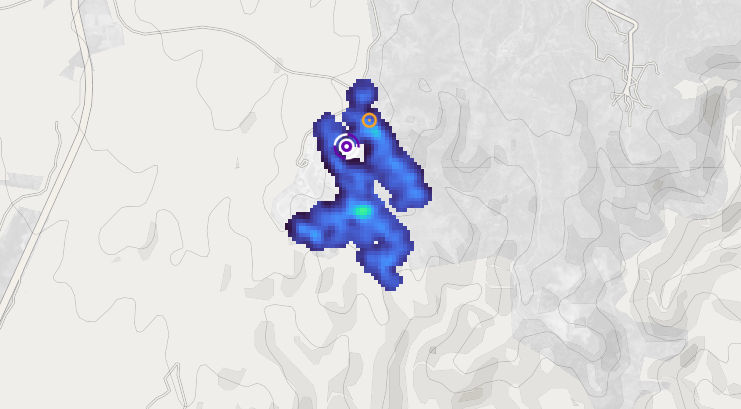
Satellite monitoring offers wide-area coverage and growing accessibility of independent data. It can identify large emission events and provide an additional layer of visibility that helps operators prioritize follow-up. At the same time, satellites sit within a broader detection landscape that includes a suite of other technology solutions such as drones, aircraft, ground sensors, and on-site inspections.
Approaches to deployment differ from company to company depending on factors such as asset type, geography, and operational complexity. The range of available tools continues to evolve and expand.
03
Monitoring creates visibility, but response determines impact
Detection alone doesn’t reduce emissions. What matters is how operators respond.
This principle informed the development of the Satellite Methane Detection Response Playbook. Drawing on practical experience from methane specialists across OGCI’s members, it sets out a framework guiding operators from notification through investigation, prioritization, mitigation, and validation.
It doesn’t assume advanced technologies or large specialist teams, and it’s designed to be applicable across different operators and contexts. Its final step focuses on continuous improvement, recognizing that addressing one emissions event is the start, while embedding lessons into systems and processes strengthens long-term performance.

04
The road to 2030 requires coordination as well as urgency
The regulatory landscape continues to evolve, and expectations around transparency and performance are rising across jurisdictions. Satellite data and continuous monitoring can help operators remain proactive in a changing environment.
There are more tools available than ever for methane detection and mitigation. The challenge isn’t simply selecting a technology, but integrating the right combination of tools into operational workflows in compressed timelines.
In my view, progress will depend on how effectively technology solutions, operational guidance, and shared experience are brought together in practice.
05
Making knowledge accessible supports faster progress
Access to practical, experience-based guidance remains essential.
The OGCI Methane Library brings together hundreds of resources covering detection technologies, mitigation approaches, measurement methodologies, and regulatory considerations. It’s intended to support operators at every stage of their methane journey, whether they’re building capability or refining established systems.
All the materials discussed during the webinar are available through the Library.
As the sector moves further into this decisive decade, technology will continue to evolve and expectations will continue to grow. Satellite monitoring is an important part of that picture, but it’s most effective when paired with clear processes, operational follow-through, and shared learning.
Ensuring that detection leads to meaningful mitigation will depend not only on the tools available, but on how effectively they’re applied in day-to-day operations.