Midstream quantification, monitoring, reporting and verification project
The Quantification, Monitoring, Reporting, and Verification (QMRV) Project is designed to provide an accurate representation of Cheniere’s (a leading liquefied natural gas (LNG) company) supply chain greenhouse gas emissions. The project’s objectives include enhancing emissions transparency, verifying the accuracy of reported emissions, and driving emissions reductions. This page offers resources related to the project, making […]
Methane Inventory Systematic Tool
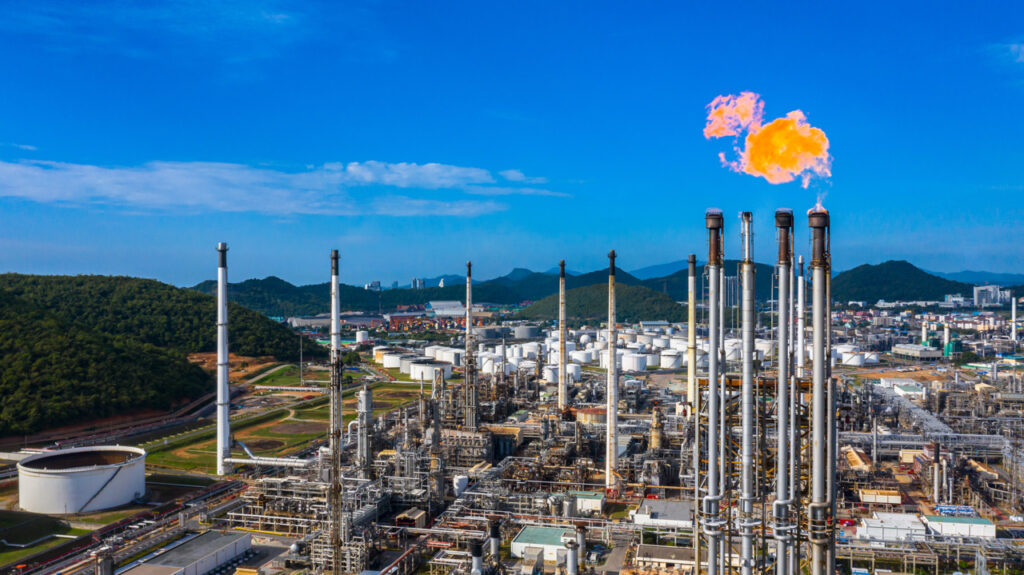
Methane Inventory Systematic Tool. The tool is free for all oil and gas companies and allows them to easily develop their methane inventory no matter where they are in their methane journey, from the very first facility-level inventory to quantification using detailed engineering calculations and measurements. Mist allows users to create the first emission inventory […]
MEET tool

University of Texas methane emissions estimation tool. MEET is an open-source modeling tool that helps regulators, industry and the research community more accurately track methane emissions in oil and gas production facilities and basins. Developed by the University of Texas at Austin (UT), in collaboration with Colorado State University and SLR Consulting, the source code […]
ISSB (IFRS) International Sustainability Standards Board

Global standards for sustainability accounting. The ISSB builds on the work of market-led investor-focused reporting initiatives, including the Climate Disclosure Standards Board (CDSB), the Task Force for Climate-related Financial Disclosures (TCFD), the Value Reporting Foundation’s Integrated Reporting Framework and industry-based SASB Standards, as well as the World Economic Forum’s Stakeholder Capitalism Metrics.
Influencing non-operated JVs

This guide helps companies influence their JV partners to reduce methane emissions and create a cleaner oil and gas value chain. The Playbook for Methane Action in Non-Operated JVs (NOJVs) is a guide to driving methane emissions reductions in joint ventures, especially when partners may lack urgency or resist change. It begins with an overview […]
EPA’s final rule to reduce methane and other harmful pollution from oil and gas operations

US EPA’s final rule summary. This document provides a comprehensive overview of the US EPA’s final rule on methane emissions, focusing on key regulatory elements. It outlines the applicability of the NSPS OOOOb rule, specifying compliance dates and operator requirements. It also introduces how advanced methane detection technologies can be used and the Super-Emitter program. […]
Inflation Reduction Act – methane regulation article

In this legal analysis Harvard Environmental & Energy Law Program explain how the text of the IRA established the framework that EPA must follow, and the flexibility that EPA may be able to include in the final rule consistent with the statute. They also highlight potential tension points for stakeholders as they consider how to […]
Global Reporting Initiative

GRI training, tools and services support organizations and individuals to build their capacity and skills, enabling them to understand and act on their sustainability impacts. The GRI Standards are regularly reviewed to ensure they reflect global best practices for sustainability reporting, helping thousands of organizations around the world respond to emerging information demands from stakeholders […]
GHG Protocol corporate accounting standard

The GHG Protocol Corporate Accounting and Reporting Standard offers a comprehensive framework for companies and organizations to quantify and report their greenhouse gas (GHG) emissions at the corporate level. It provides clear requirements and guidance to help organizations develop a consistent and transparent GHG emissions inventory.
GHG Protocol calculation tools and resources
Global GHG Accounting Standard Tools and Resources. Those tools provide support for companies and cities to develop comprehensive, reliable inventories of their greenhouse gas (GHG) emissions. By utilizing these resources, organizations can enhance their emissions reporting and improve sustainability practices.