Standards of performance for new, reconstructed, and modified sources and emissions guidelines for existing sources: Oil and Natural Gas Sector Climate Review
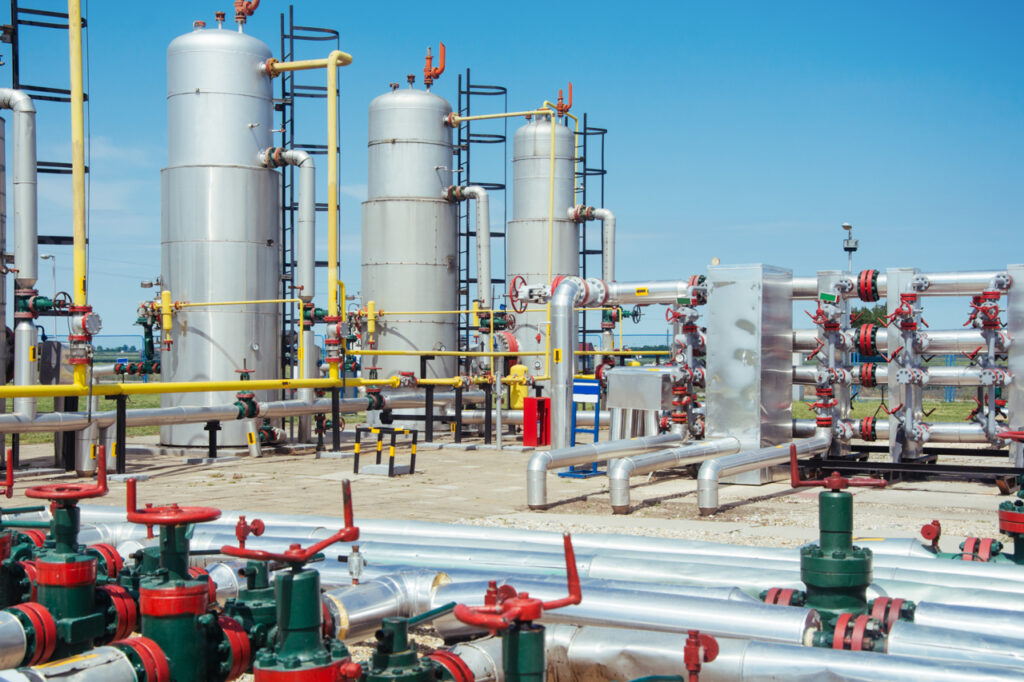
Final Rule for Oil and Natural Gas Operations. The rule includes standards to reduce methane and volatile organic compounds (VOCs) from new, modified, and reconstructed sources. It also includes Emissions Guidelines for states to follow as they develop plans to limit methane emissions from existing sources.
EO 100

Voluntary initiative certification encompassing all ESG focus areas. The EO100™ Standard for Responsible Energy Development is a set of rigorous performance standards for energy development projects. Developed through a three-year, multi-stakeholder engagement process, the EO100™ Standard is the product of extensive consultation with the energy industry, international NGOs, Indigenous organizations, financial institutions, government, and communities […]
Energy emissions modeling and data lab

EEMDL will build models and tools to improve greenhouse gas emissions accounting across energy supply chains. These models and tools will be peer-reviewed, transparent, timely, measurement-based, and made publicly available for all stakeholders. EEMDL’s suite of models are classified into five categories, based on applications. As these models are built and made publicly available more […]
EU methane regulations

EU Methane Regulations. The EU Methane Regulation (EU/2024/1787), effective from August 4, 2024, marks a significant step in the EU’s strategy to reduce methane emissions from the energy sector. Its key objectives are to eliminate avoidable methane releases and minimize leaks in both the EU and its global supply chains. The regulation introduces several measures, […]
EPA Subpart W

Subpart W is part of the U.S. EPA’s Greenhouse Gas Reporting Program, focusing on reporting methane and other greenhouse gas emissions from the petroleum and natural gas sectors. This webpage provides essential resources for Subpart W reporters, including guidance on compliance, links to rulemaking documents, and tools to support accurate data submission. It helps facilities […]
Documentation for OGMP 2.0 level 4 and level 5 methods

This document outlines the documentation requirements (list of information elements that a company should provide) for L4 and L5. For the most part, these have been described theoretically in implementation plans to date, but as companies transition into L4 and L5, UNEP will need a consistent basis to evaluate adherence to the TGD’s for the […]
Department of Energy measurement and verification framework

Overview of updates to DOE MMRV framework. The MMRV Framework is intended to improve the accuracy, completeness, and transparency of reported emissions in the marketplace and drive emission reductions across the natural gas supply chain. The MMRV Framework is not a regulatory process and countries and regions participating in its development are not committing to […]
Canadian Sustainability Standards Board

Canadian standards for sustainability accounting. The Canadian Sustainability Standards Board (CSSB) works to advance the adoption of sustainability disclosure standards in Canada. The CSSB develops Canadian Sustainability Disclosure Standards (CSDS) that align with the global baseline standards developed by the International Sustainability Standards Board (ISSB) – but with modifications to serve the Canadian public interest.
Compendium of GHG emissions methodologies for the oil and gas industry

The API GHG Compendium of Emission Factors and Methodologies provides an updated collection of recognized methods and emission factors for the oil and natural gas industry. This comprehensive document outlines best practices and methodologies for estimating greenhouse gas emissions across all industry segments. It is designed to enhance consistency and accuracy in emissions estimation, serving […]
Carbon Disclosure Project

The CDP (formerly the Carbon Disclosure Project) is a global, investor-focused not-for-profit organization that encourages businesses to voluntarily disclose annual data on climate, supply chain, and environmental indicators. By reporting through the CDP framework, companies provide transparency on their environmental impact, enabling investors and stakeholders to assess climate-related risks and opportunities, and drive informed decision-making […]