Alignment and gaps between Veritas and US EPA GHGRP subpart W amendments

This whitepaper, published in December 2024, examines the alignments and gaps between Veritas site-level protocols and the U.S. EPA’s Greenhouse Gas Reporting Program (GHGRP) Subpart W amendments effective January 2025. By comparing the two programs, it aims to streamline emissions reporting workflows in the oil and gas industry.
Flaring accountability
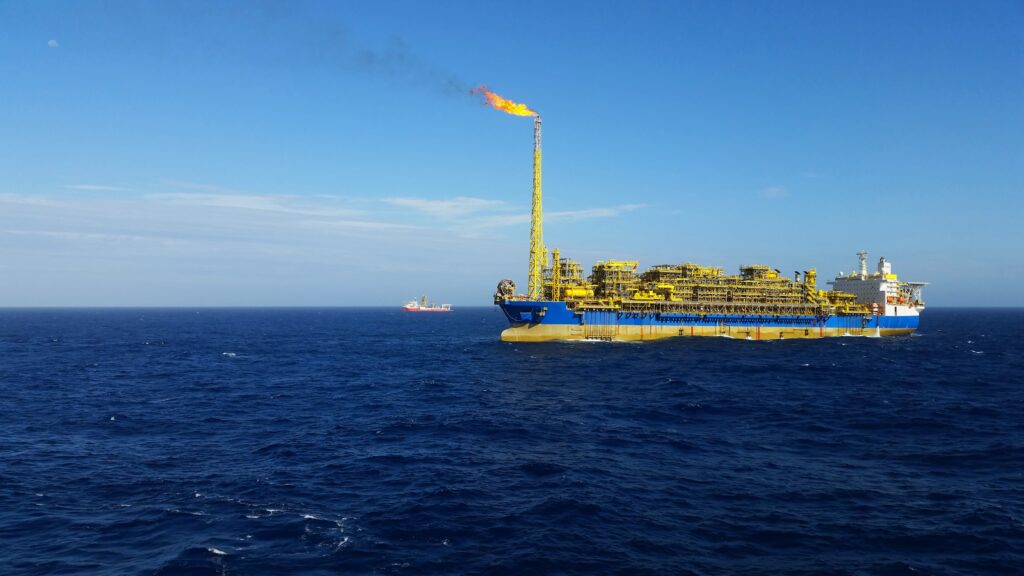
This report determines the company’s whole flaring impact around the world by attributing flaring to individual companies for both their operated and non-operated assets. The analysis shows that just 10 large international oil companies (IOCs)—BP, Chevron, ConocoPhillips, Eni, Equinor, ExxonMobil, Occidental Petroleum, Repsol, Shell, and TotalEnergies—are responsible for 7% of global flaring, based on their […]
An eye on methane 2024
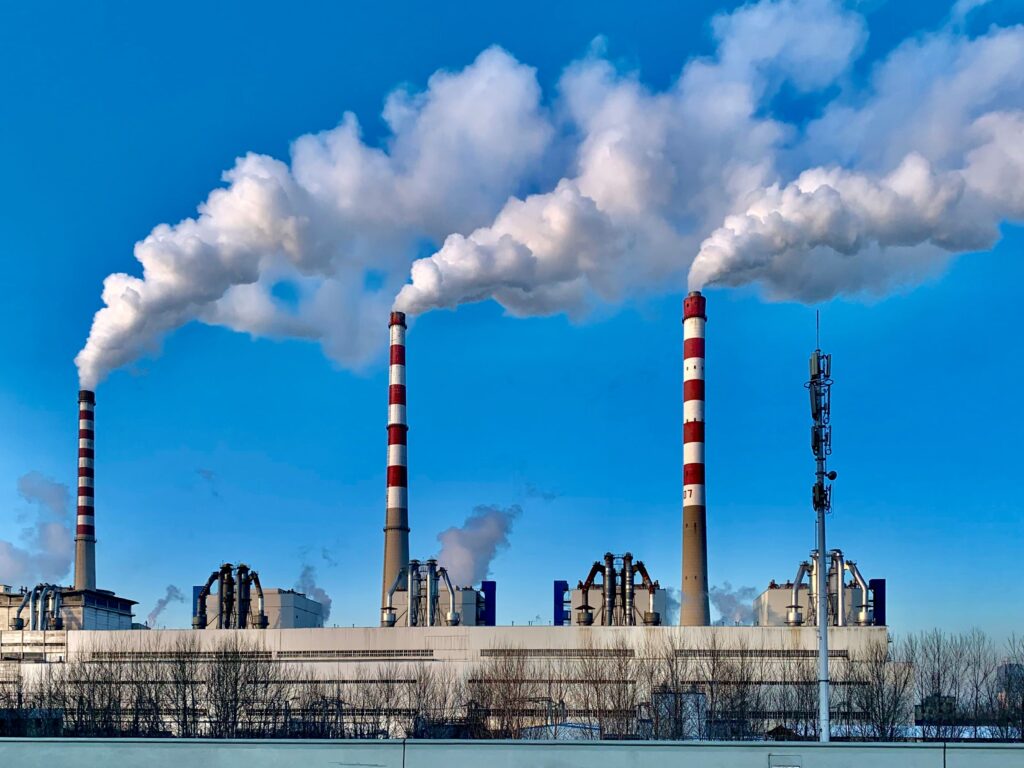
The fourth edition of the United Nations Environment Programme (UNEP) International Methane Emissions Observatory (IMEO) publication, An Eye on Methane: Invisible but not unseen, takes stock of the progress made to harness a methane data revolution that can accelerate methane reduction at a global scale. UNEP’s IMEO provides data and context to the individuals who […]
Emissions measurement and monitoring technology roadmap
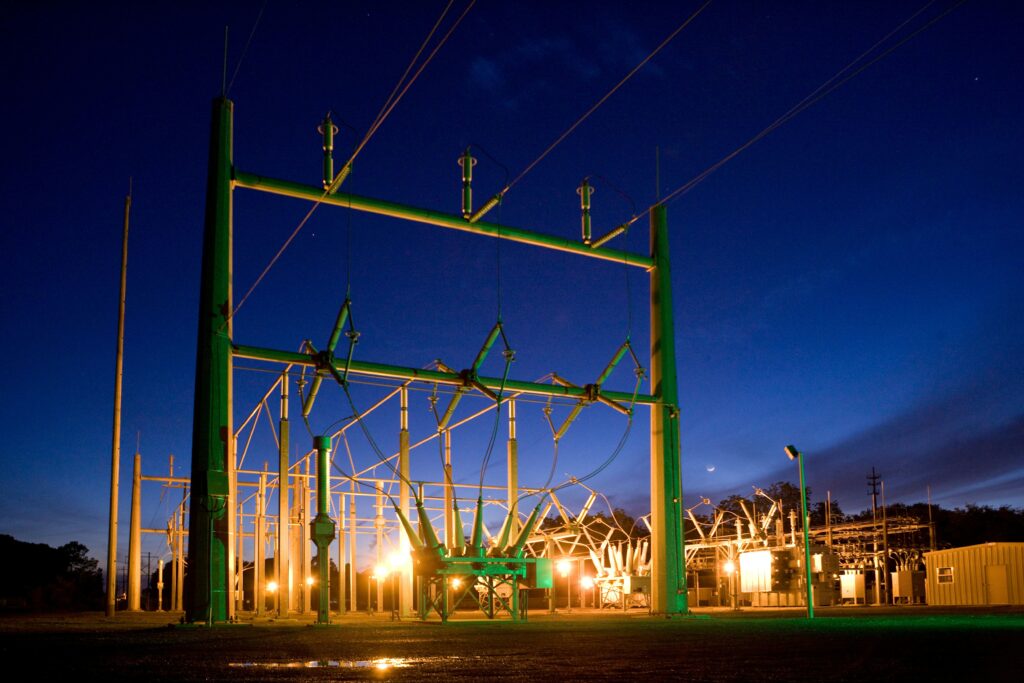
This resource identifies adoptable technology for measuring and monitoring emissions from power generation, flaring, and venting. The technologies included range from in-situ sensors and handheld instruments to drones, planes, and satellites. Multiple technologies can work together. Using a combination of different measurement and detection solutions, operators can achieve a real-time, more cost efficient and increasingly […]
EU methane regulation and consequences for LNG
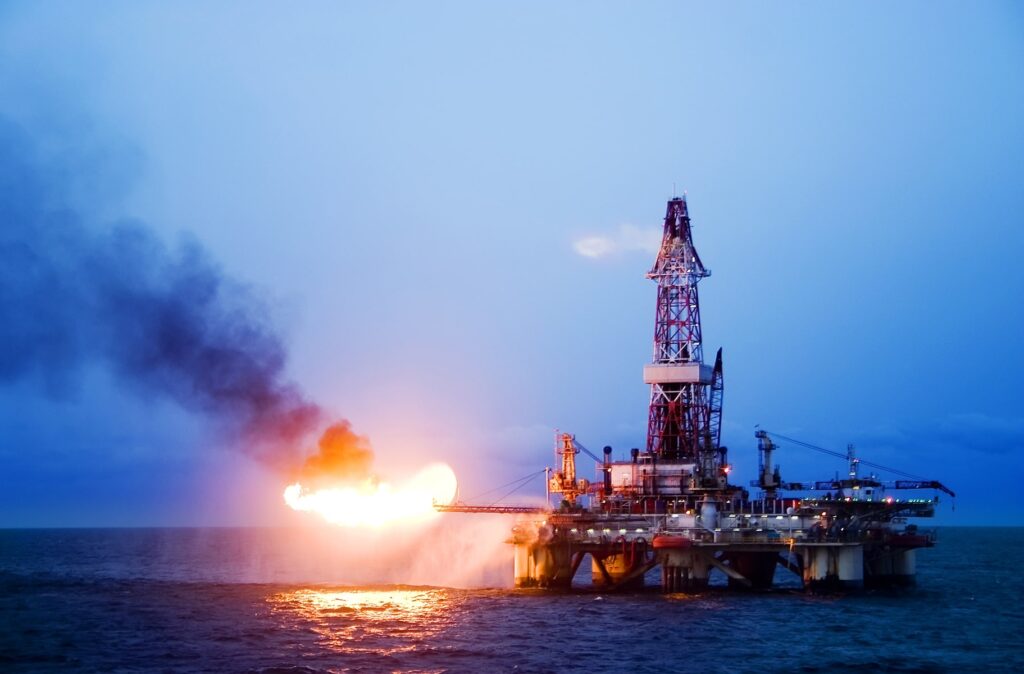
This webinar explores the implications of the EU Methane Regulation, with a particular focus on imported natural gas and LNG. It addresses the major regulatory changes introduced, examines how the oil and gas industry has responded so far, and outlines key considerations for companies preparing for compliance. The session also discusses the potential role of […]
Global Methane Tracker 2024
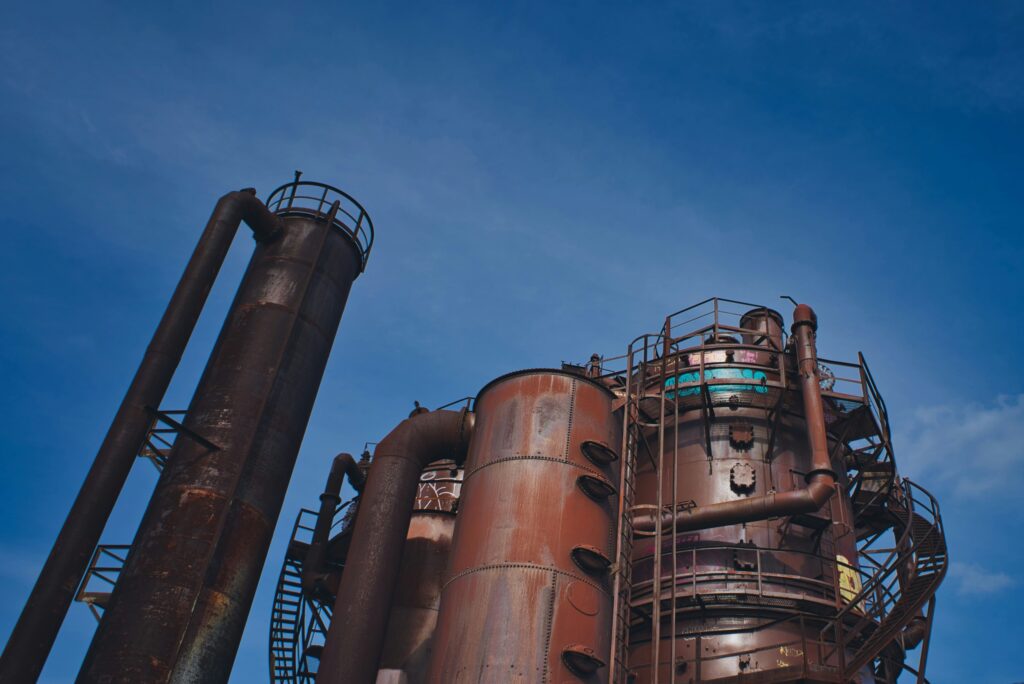
The International Energy Agency’s Global Methane Tracker 2024 provides updated estimates of methane emissions from the energy sector, incorporating the latest satellite and ground-based measurements. The report analyzes emissions trends, evaluates the effectiveness of current policies and pledges, and outlines the investment needed to achieve significant reductions.
Methane detection & quantification technologies for offshore
This technical report explores strategies for reducing methane emissions in offshore oil and gas operations. It provides an analysis of current emission sources, evaluates the effectiveness of various mitigation technologies, and offers recommendations for implementing best practices to achieve significant emission reductions.
Translating satellite data into abatement
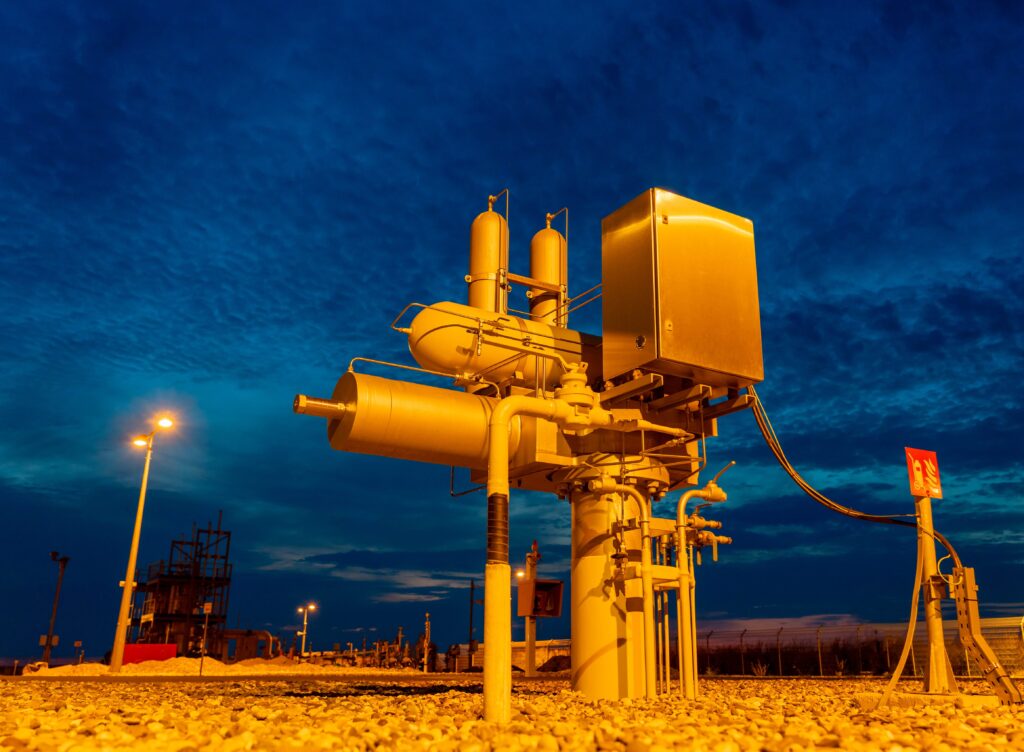
This technical report outlines the methodology used to interpret satellite data and translate it into actionable insights for methane abatement. Focusing on super-emitters, it explains how emission rates are quantified from satellite detections, how uncertainties are managed, and how these results support mitigation planning. The report presents a consistent framework to connect satellite observations with […]
Using satellites to find emission sources at super emitters

This discussion explores how methane-sensing satellites enable detection of super-emitter events globally, analyzing their role in MRV and methane pricing frameworks. It examines regulatory responses and policy instrument designs that incorporate satellite observations to incentivize mitigation and transparency.
Carbon footprint of subsea leak detection and repair
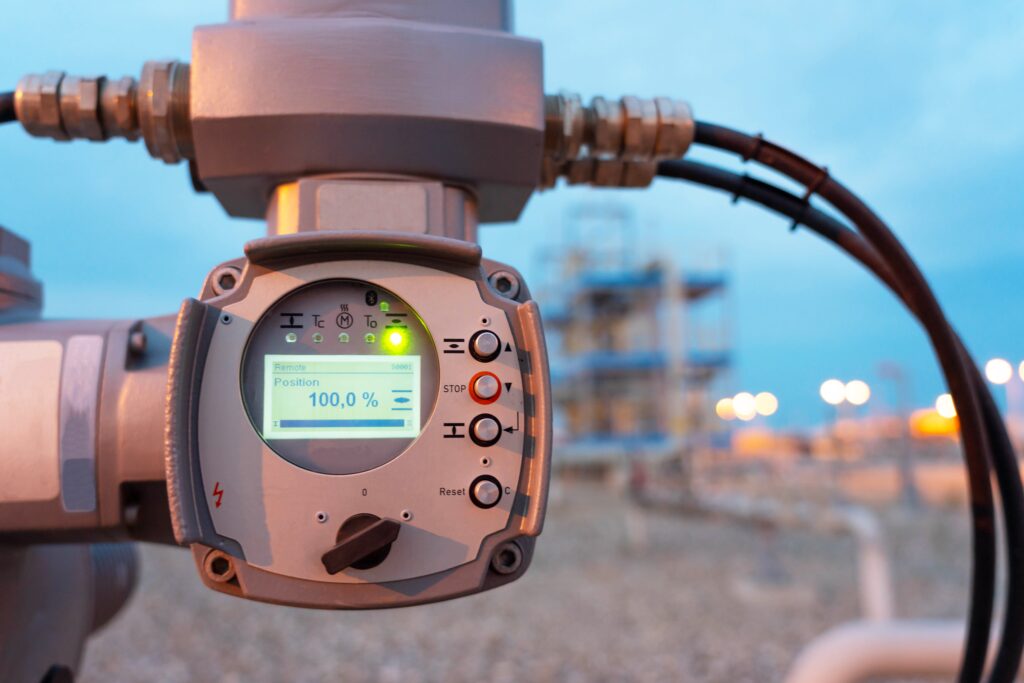
This report assesses the carbon footprint of subsea LDAR (Leak Detection and Repair) activities using a life-cycle approach, based on input from operators and service providers on the Norwegian continental shelf. It evaluates inspection, survey, quantification, and repair of leaks, with a focus on aligning with EU methane regulations.