Reducing methane emissions: Best practice guide – venting
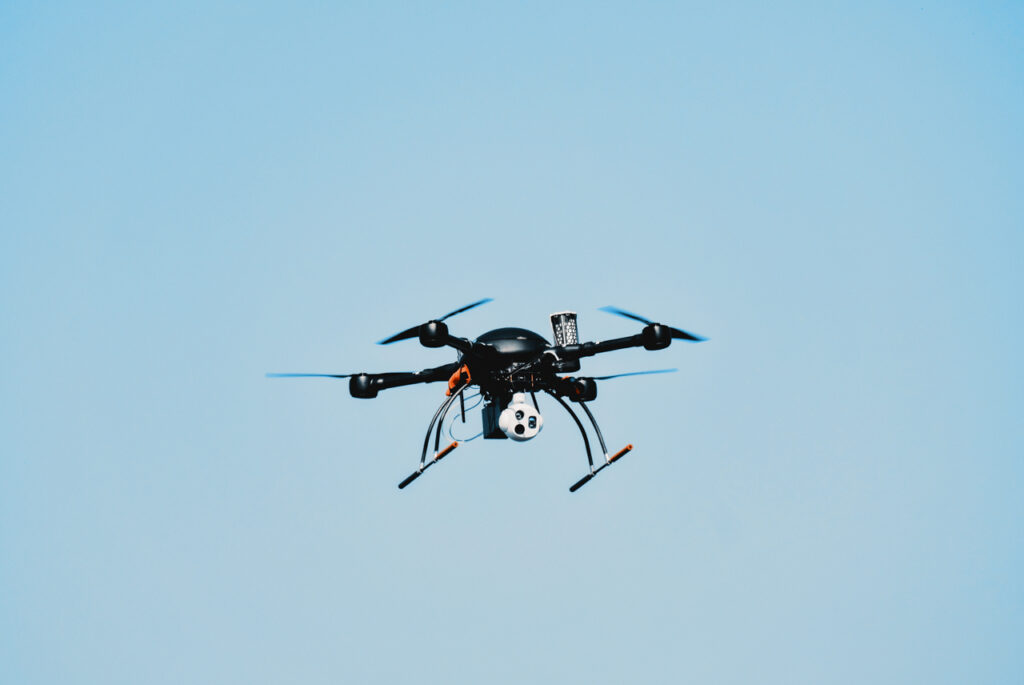
This guide provides strategies for identifying and reducing methane emissions from venting sources in the oil and gas industry. It emphasizes the importance of maintaining an inventory of emissions from venting and offers best practices for mitigation. Key recommendations include avoiding or reducing venting from sources such as hydrocarbon liquid storage tanks, compressor seals, glycol […]
Toward multi-scale measurement-informed methane inventories: reconciling bottom-up site-level inventories with top-down measurements using continuous monitoring systems

This work presents a real-world demonstration of how to reconcile CMS rate estimates and top-down snapshot measurements jointly with bottom-up inventories at the site level. More broadly, it demonstrates the importance of multiscale measurements when creating measurement-informed, site-level emission inventories, which is a critical aspect of recent regulatory requirements in the Inflation Reduction Act, voluntary […]
Reducing methane emissions: Best practice guide – operational repairs
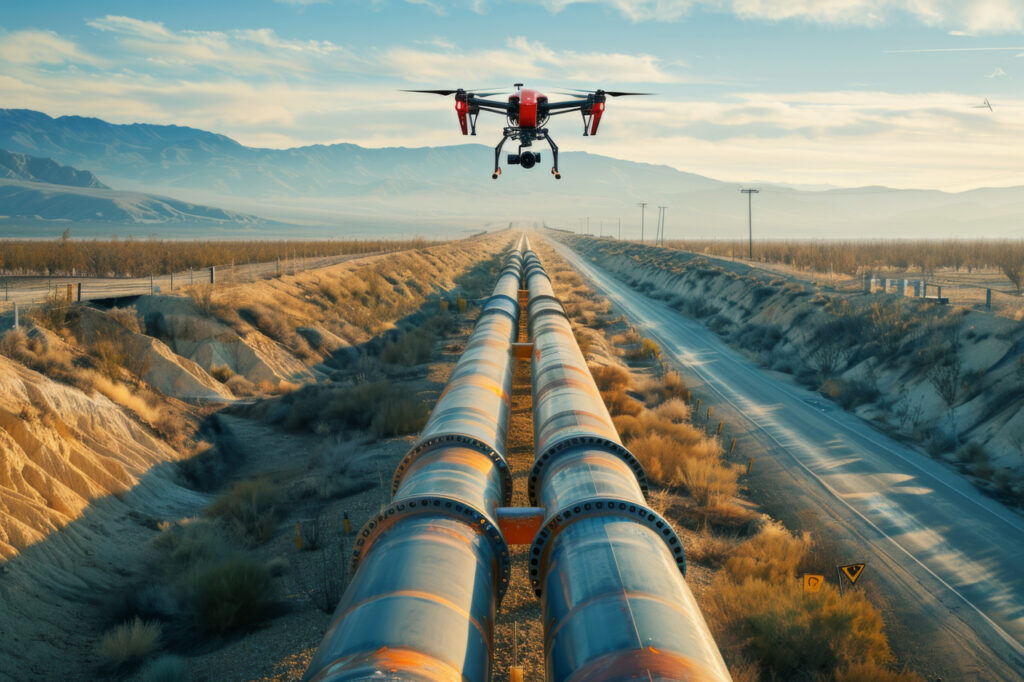
This guide covers repairs to leaks discovered during leak detection and repair programs, as well as releases that may arise during routine maintenance and repairs of equipment. Guide highlights general strategies (mitigation strategies) to reduce emissions through operational repairs.
Reducing methane emissions: Best practice guide – equipment leaks
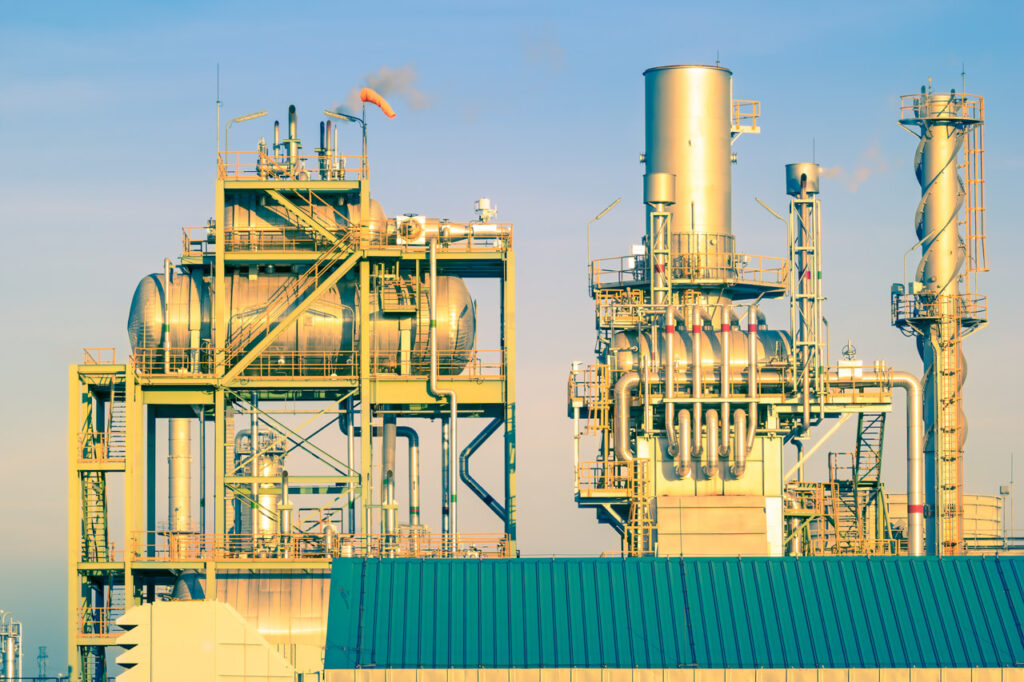
This guide focuses on identifying the sources of fugitive leaks and outlines effective strategies for their detection and repair. By implementing these mitigation measures, it provides actionable solutions to minimize emissions, improve operational efficiency, and enhance environmental compliance.
Reducing methane emissions: Best practice guide – engineering design and construction

This guide provides engineering and the design of systems options that can be used to reduce methane emissions before new facilities begin operations or when existing facilities are modified. The design phase provides the best opportunity to identify methane reductions.
Recommended practices for electrification of oil and gas facilities
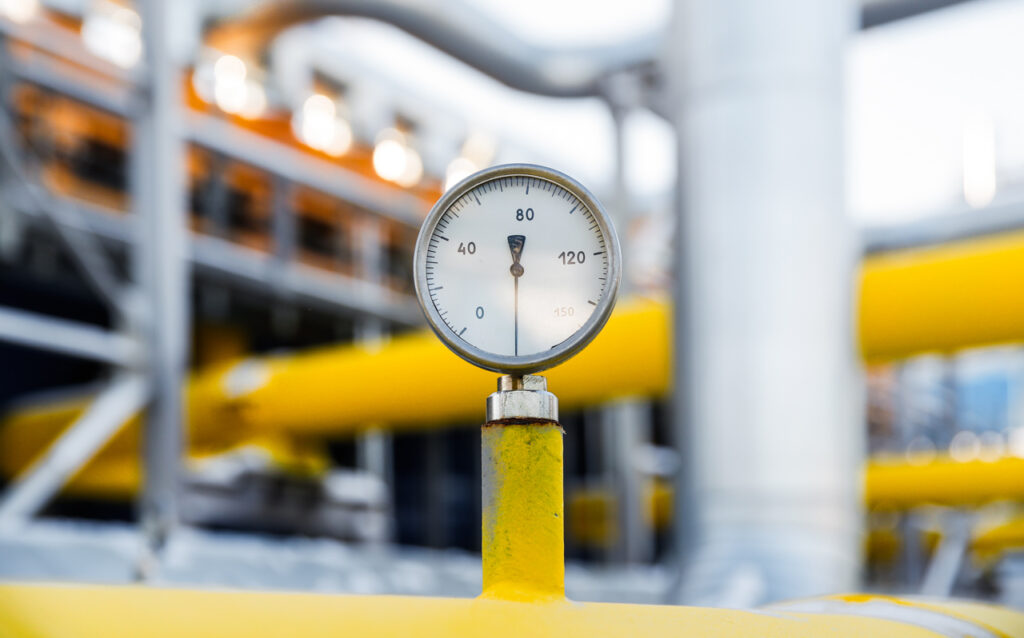
This report provides recommendations for the electrification of oil and gas (and other petrochemical processing) facilities to reduce their greenhouse gas (GHG) emissions. The use of electricity for shaft power (compression, pumping) and heat (fired heaters, boilers) allows the facility to use low carbon intensity power rather than burn hydrocarbons. Even in cases where connection […]
MGP gap assessment tool

This tool is designed for asset managers in the oil and gas industry to assess methane management practices and identify improvement opportunities. Using a simple Excel interface, it rates asset or organization performance on methane emissions management through a diagnostic process. The tool provides preliminary insights against best practices, applying a continual improvement framework (Plan-Do-Check-Act) […]
Methane mitigation technologies platform

EPA tool to learn about technologies and practices that can be used to reduce methane emissions from these sources. The platform reflects experiences and lessons learned from voluntary program partners. Some technologies are now regulated at the federal, state, and/or local levels in the United States and in other countries.
Measurement informed inventories: First steps on a long journey
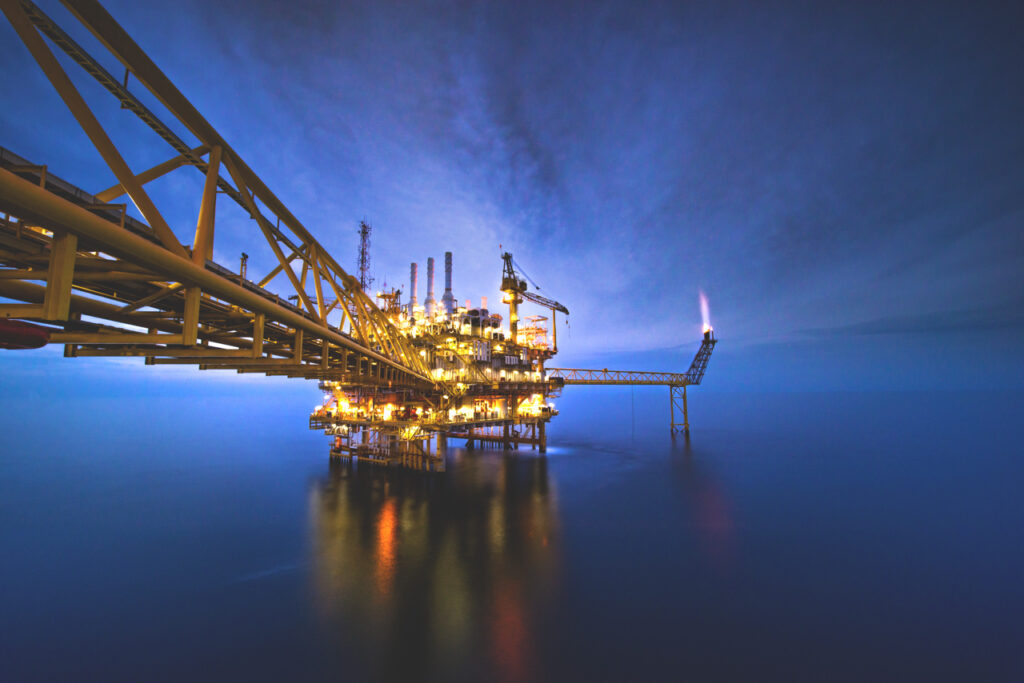
This resource discusses the evolving landscape of greenhouse gas inventories and introduces the concept of “measurement-informed inventories” (MIIs). MIIs incorporate real measurement data to provide a more accurate picture of methane emissions. The seminar examines various methodologies for generating MIIs, including differences in how measurement data is reconciled with top-down data and the specific purpose […]
IMEO methane data

Global satellite detection and notification system. IMEO is assembling a public database of empirically verified methane emissions data and connecting it to the individuals who can act to reduce emissions. The data is derived from satellites and global scientific measurement campaigns, and in the future will draw from emissions reported by companies under the Oil […]