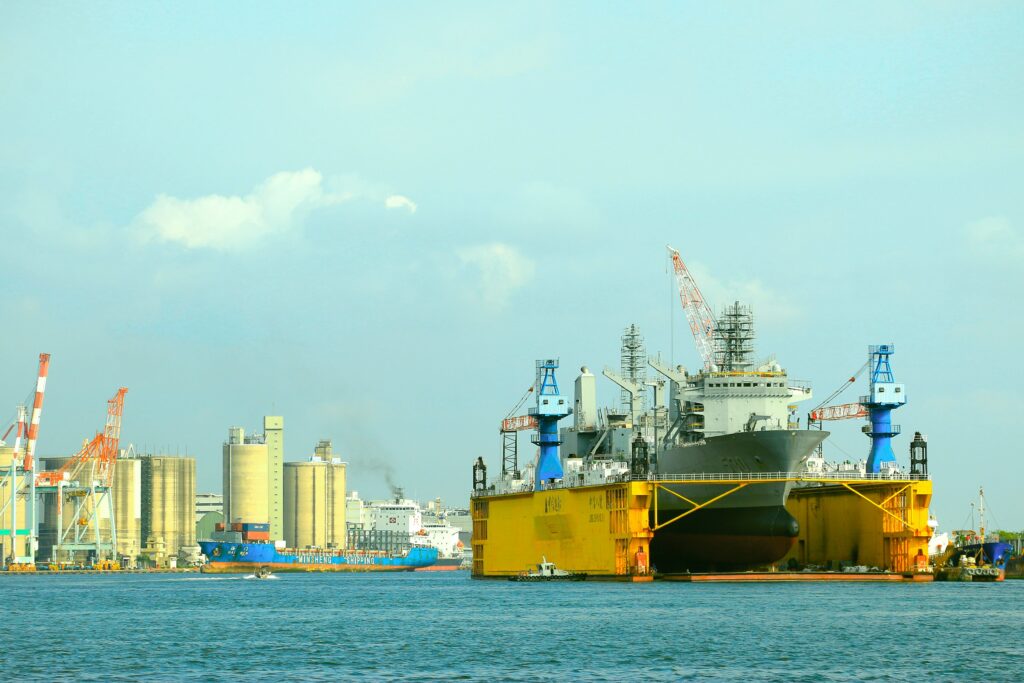
Project Canary and NextDecade – continous monitoring system

Project Canary and NextDecade implement continuous monitoring for low-emission LNG.
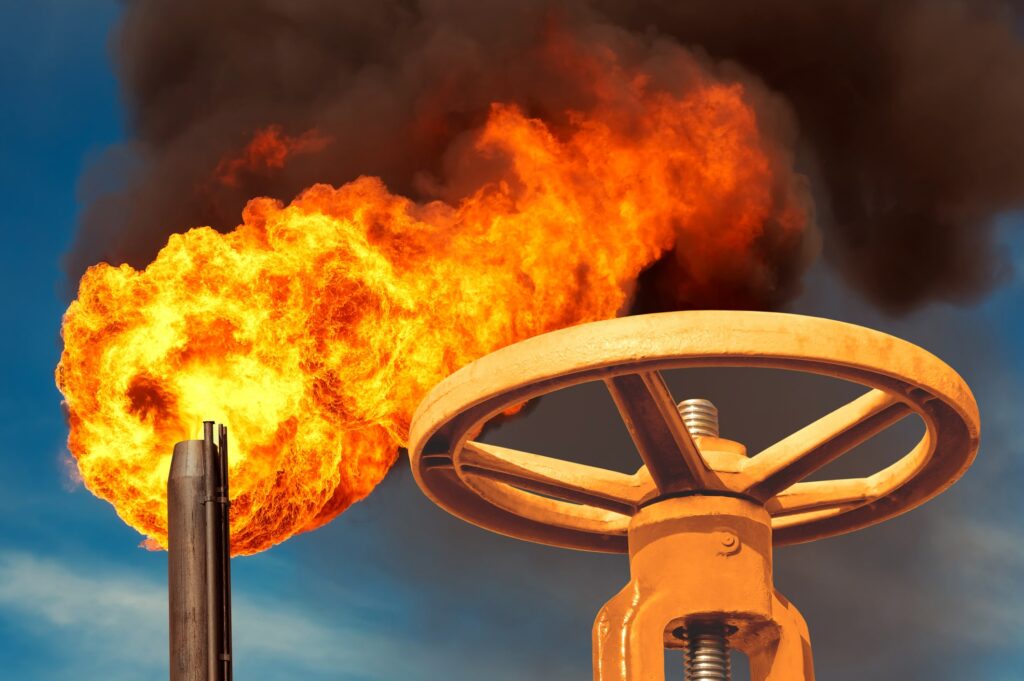
Curtailing flaring and venting: New Mexico methane strategy
New Mexico enforces regulations to achieve 98% gas capture, reducing flaring and venting.
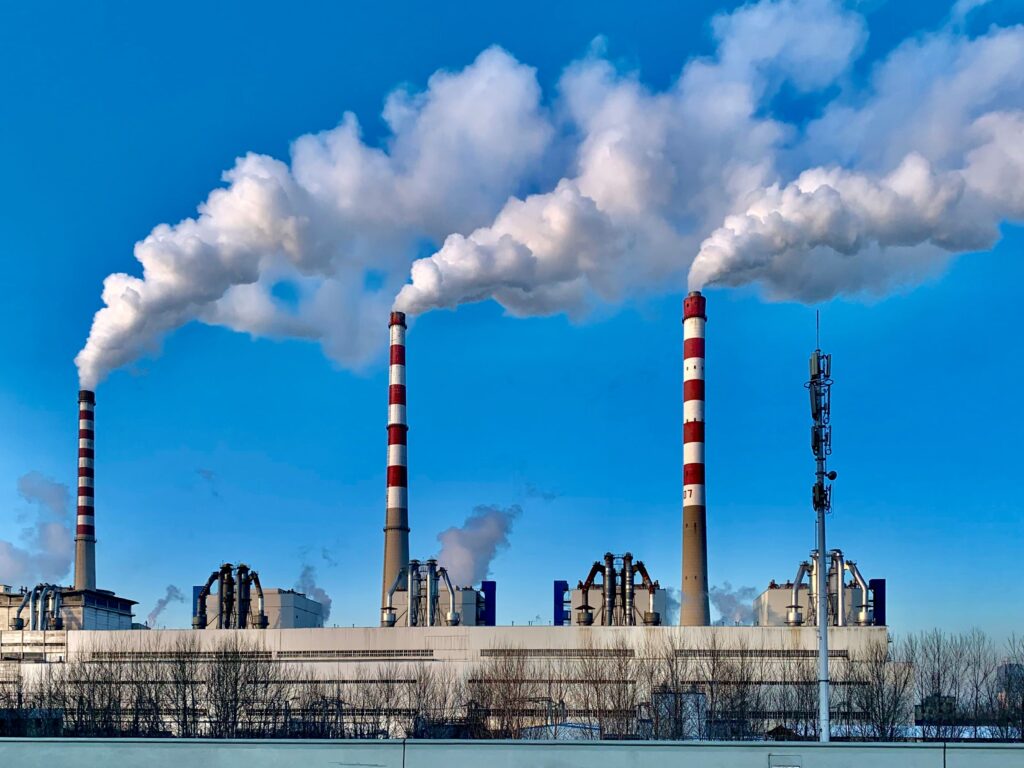
EDF: A comprehensive assessment of methane emissions in the Permian basin
EDF’s PermianMAP project offers transparent methane emissions data for the Permian Basin.
Chevron: Managing methane in shale and tight assets in the United States
Chevron’s methane management in U.S. shale and tight assets.
Will Trump mend or end federal methane rules?
This paper explores the considerations that the Trump administration will face in deciding whether to rescind the regulations altogether or in substantial part (effectively ending them) or to make more surgical changes to the rules (mending them). The paper outlines several possible legislative and regulatory scenarios, and highlights key decision points to monitor. The paper […]
Appalachian methane initiative 2024 campaign
This report summarizes results from the large, multi-scale methane emissions measurement campaign of the Appalachian Methane Initiative (AMI) for 2024. The AMI coalition in 2024 consisted of eight upstream and midstream oil and gas operators, which include Ascent Resources, CNX Resources, EQT Corporation, Equitrans Midstream Corporation (now part of EQT), Expand Energy Corporation, MPLX, and […]
Alignment and gaps between Veritas and US EPA GHGRP subpart W amendments

This whitepaper, published in December 2024, examines the alignments and gaps between Veritas site-level protocols and the U.S. EPA’s Greenhouse Gas Reporting Program (GHGRP) Subpart W amendments effective January 2025. By comparing the two programs, it aims to streamline emissions reporting workflows in the oil and gas industry.
The broader value of emissions detection and quantification

The Broader Value of Emissions Detection and Quantification, authored by Daniel Zimmerle of Colorado State University’s Methane Emissions Technology Evaluation Center (METEC), provides his perspective on the multifaceted benefits of Leak Detection and Quantification (LDAQ) systems beyond mere regulatory compliance.
Driving reductions in methane emissions – ExxonMobil report
This resource outlines ExxonMobil’s strategy and initiatives to reduce methane emissions across its operations. It highlights the company’s deployment of advanced detection technologies (e.g., aerial and ground-based sensors), operational best practices, and alignment with international frameworks like the Oil and Gas Methane Partnership 2.0 (OGMP 2.0). The page also features updates on emissions performance, including […]
Policy instrument options to address methane emissions

This academic paper analyzes the economic and operational factors driving methane emissions and flaring in U.S. oil and gas production. Using satellite data and operator-level analysis, it examines the role of ownership structure, infrastructure constraints, and regulatory incentives. The study evaluates cost-effective mitigation strategies and reveals that private firms flare more than public ones, with […]