Electrification technology deployment catalogue

This technology deployment catalogue identifies and summarizes available electrification options/technologies that support effectively reducing greenhouse gas (GHG) emissions in the upstream oil and gas industry. It focuses on high-level information aimed at non-electrical engineers or decision makers undertaking specific project, concept, or front-end engineering design (FEED).
Efficient use of energy in oil and gas upstream facilities
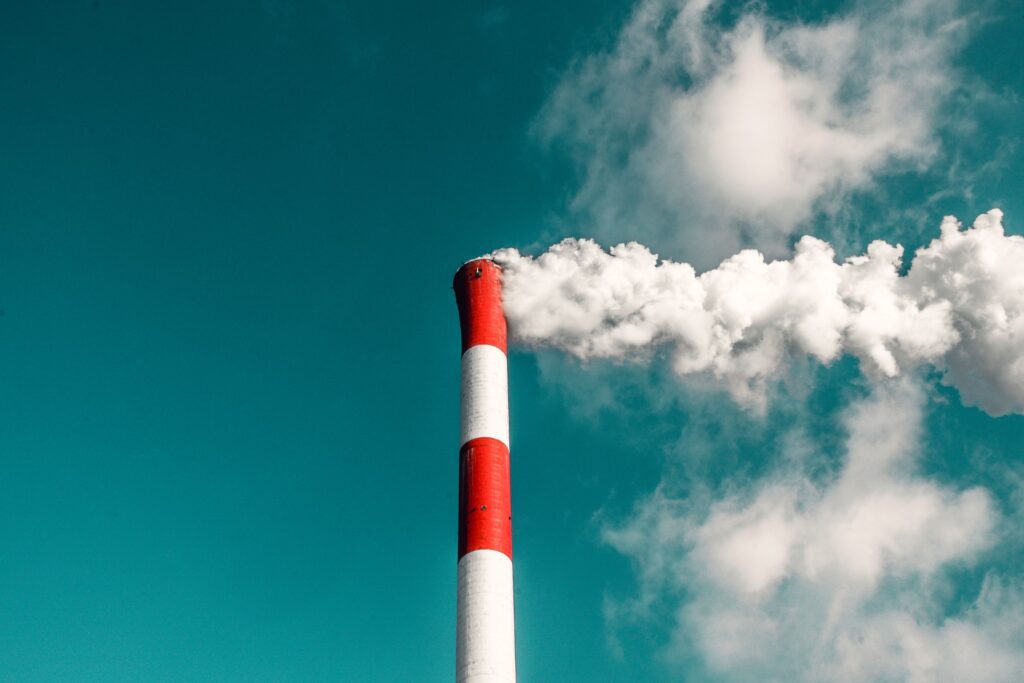
Report shares recommended practices for energy management and optimization for the design, installation, and operation of new and existing equipment and systems. This report is intended to guide upstream oil and gas organizations on improving energy efficiency and reducing GHG emissions and energy costs, regardless of an organization’s current progress toward decarbonization. It also includes […]
Best practice guidance for effective methane management in oil and gas
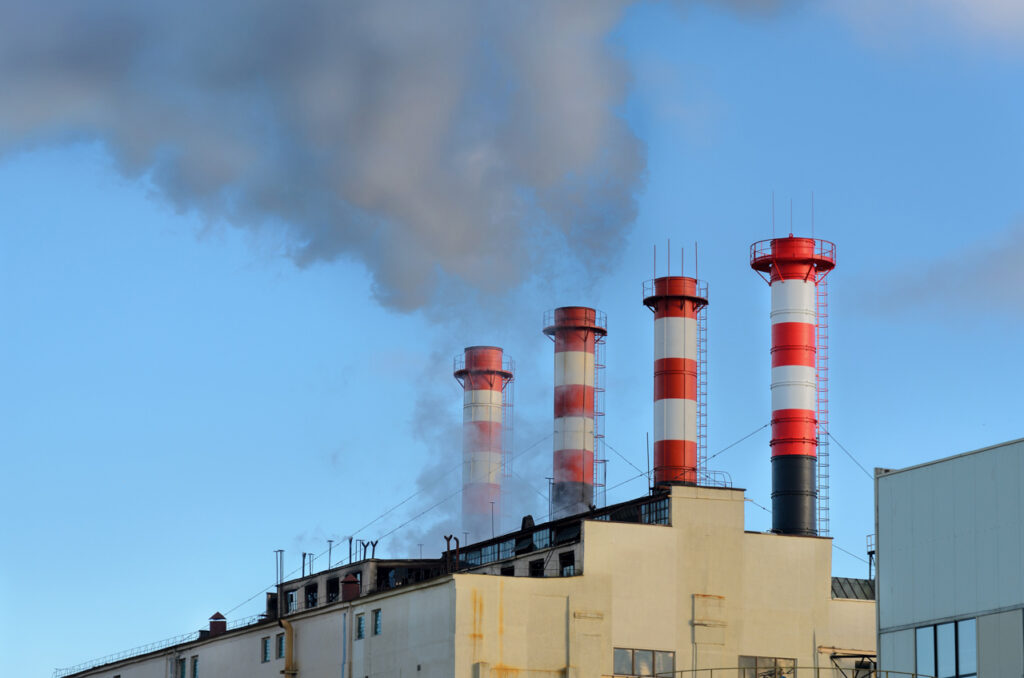
UNECE Monitoring, Reporting, and Verification (MRV) and Mitigation best practice guidance. The document offers recommendations for developing and implementing effective methane quantification, monitoring, reporting, and verification (MRV) practices within the oil and gas sector. It serves as a comprehensive resource for a wide range of stakeholders, including facility owners, operators, and policymakers at all levels […]
Guidelines for venting minimization and vent recovery systems
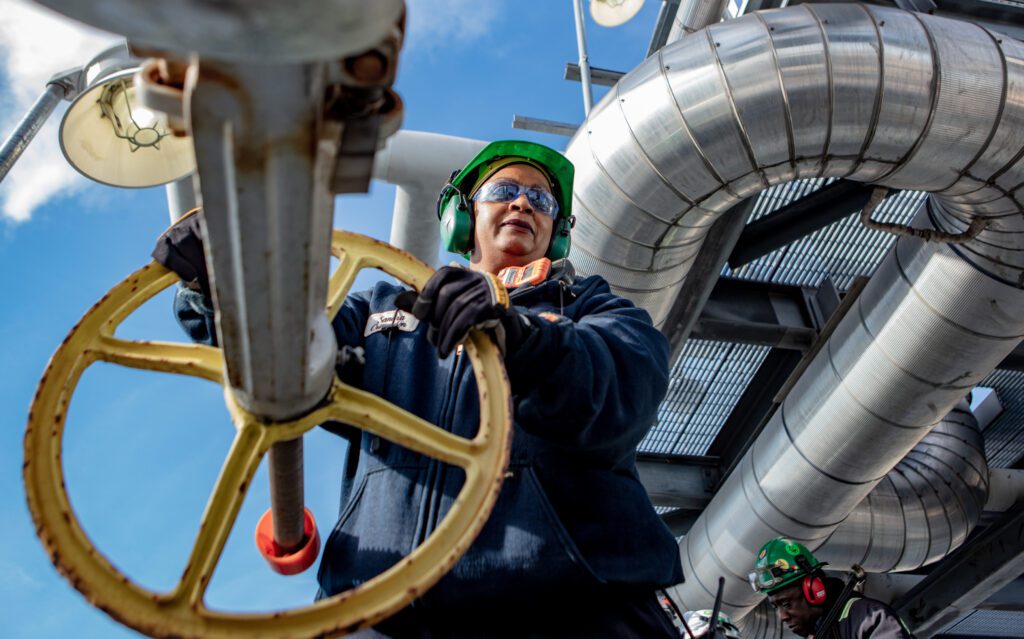
This guideline identifies venting sources and discusses the design and operation of vent systems and Volatile Organic Compound (VOC) recovery systems, as well as the situations in which these systems can be employed to minimize venting. This guidance has been developed to assist engineering and operations staff at upstream production facilities and may be useful […]
Reducing methane emissions: Best practice guide – pneumatic devices
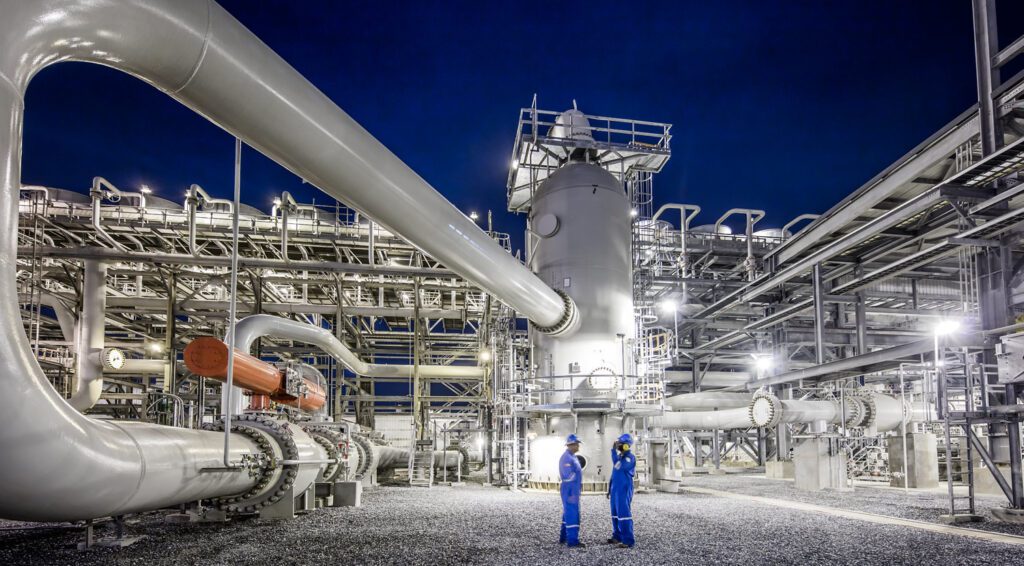
This document provides best practices for reducing or eliminating methane emissions from pneumatic devices. The guide outlines methods such as replacing pneumatic devices with electrical or mechanical alternatives, using compressed air instead of natural gas, capturing vented gas, or switching to low-bleed devices. It also emphasizes regular inspections and repairs of devices with higher-than-expected emissions. […]
Reducing methane emissions: Best practice guide – flaring

This best practice guide outlines strategies for flare abatement, including preventing waste gas production, recovering gas for sale, re-injecting gas into reservoirs, or using waste gas for power generation. For unavoidable flaring, it recommends enhancing flare efficiency to reduce methane emissions, offering practical solutions to improve environmental performance and operational sustainability.
Guidelines for design and operations to minimize/avoid flaring sources

This report provides practical guidance for designing and implementing solutions to minimize or eliminate flared gas in the upstream oil and gas industry. It covers strategies for reducing flaring volumes, offering actionable insights to improve operational efficiency and environmental performance.
Guidelines for design and operation of flare gas recovery systems

Guidelines focus on continuous flaring sources in normal operations and address measures for source recovery, flare closure, and flare ignition. This Report has been developed to assist engineering and operations staff at production, refining, and petrochemical owners and operators, and engineering staff at design consultancies and at engineering, procurement, and construction contractors.
Flaring management guidance – a summary
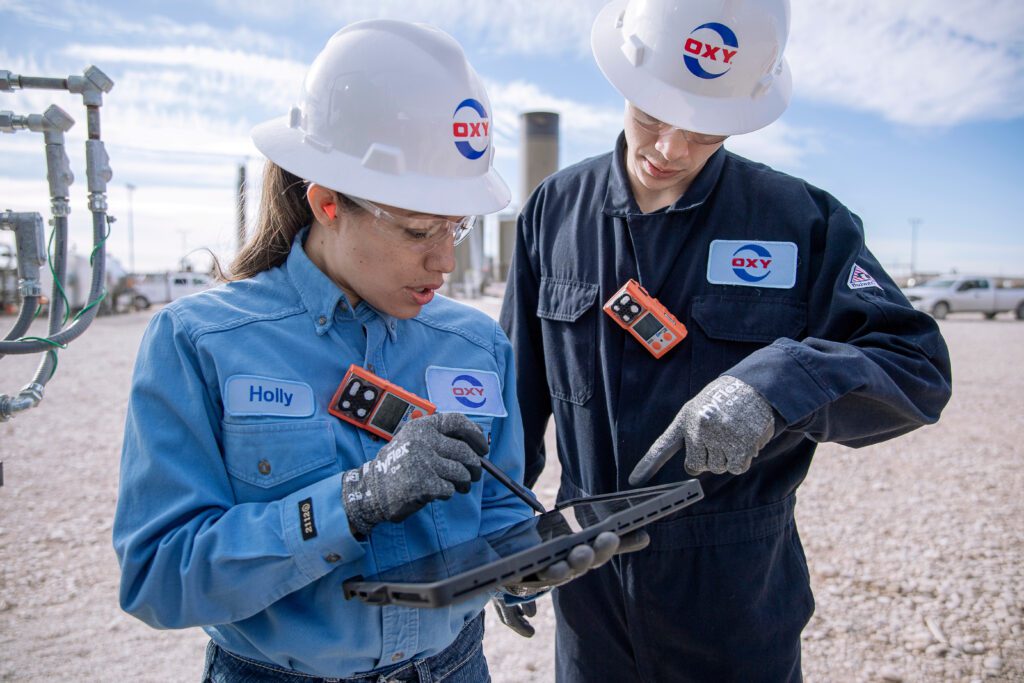
Flaring management guidance, developed by Ipieca, IOGP and GGFR in partnership, outlines new developments in flaring management and reduction, and examines industry experiences with eliminating flaring, new technologies, business models, operational improvements and regulatory policy. It also features case studies and examples of positive change.
Reducing methane emissions: Energy use
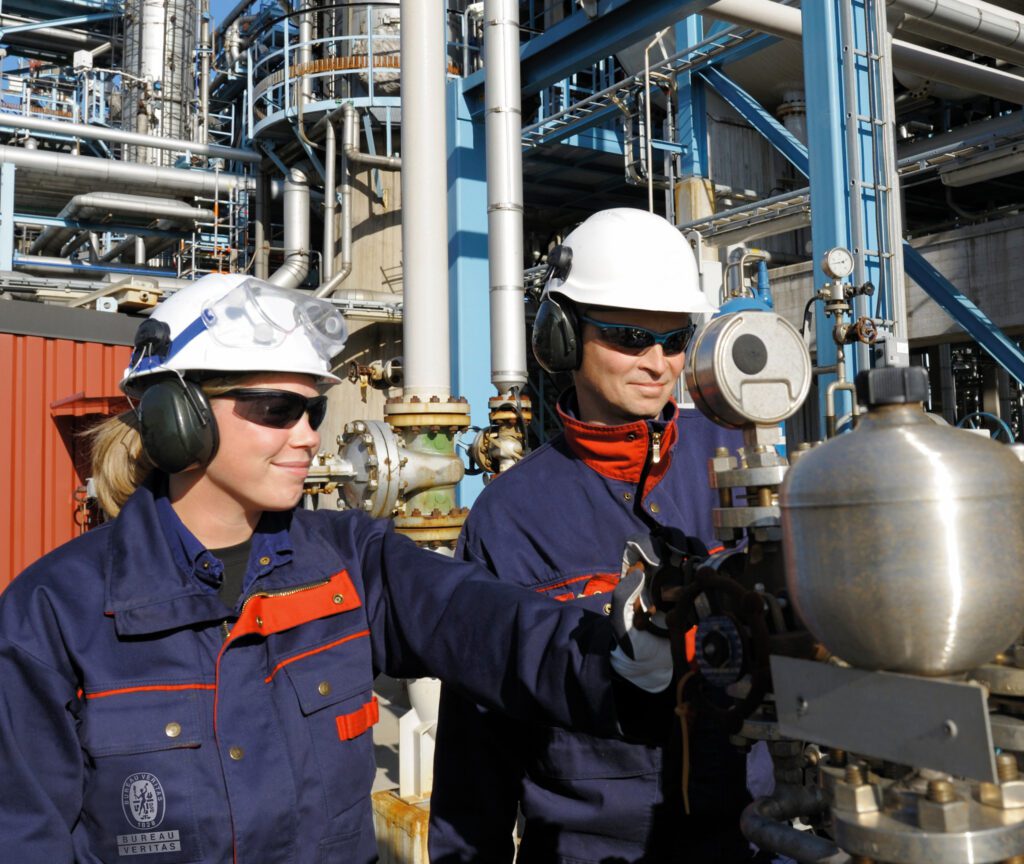
This document provides guidance on reducing methane emissions from the use of natural gas as fuel in oil and gas operations. Methane slip, the unburned methane released from combustion engines, is a key emission source. While generally small, it can be significant in areas with high natural gas usage. The guide emphasizes best practices for […]