OGMP implementation plan template

This resource provides a template to assist companies in developing their OGMP 2.0 implementation plans. It guides users in aligning their methane management strategies with OGMP 2.0 requirements, ensuring effective tracking, reporting, and reduction of methane emissions in line with global standards. The template is designed to simplify the process, helping companies structure their action […]
Influencing non-operated JVs

This guide helps companies influence their JV partners to reduce methane emissions and create a cleaner oil and gas value chain. The Playbook for Methane Action in Non-Operated JVs (NOJVs) is a guide to driving methane emissions reductions in joint ventures, especially when partners may lack urgency or resist change. It begins with an overview […]
Reducing methane emissions: Transmission, storage, LNG terminals and distribution

This guide focuses on practices for reducing methane emissions from the natural gas transmission, storage, LNG terminals, and distribution segments of the supply chain. It specifically excludes mitigation measures for emissions downstream of the customer meter, as well as those related to LNG liquefaction and transportation. The guide outlines best practices for emission reduction within […]
Reducing methane emissions: Best practice guide – continual improvement

This best practice guide focuses on continual improvement in methane management within the oil and gas industry. To achieve “methane excellence,” companies must set ambitious targets to reduce emissions, enhance measurement techniques, adopt mitigation strategies, and improve reporting practices. The guide highlights the need for senior and asset management commitment, ensuring that methane management becomes […]
Reducing methane emissions: Best practice guide – venting

This guide provides strategies for identifying and reducing methane emissions from venting sources in the oil and gas industry. It emphasizes the importance of maintaining an inventory of emissions from venting and offers best practices for mitigation. Key recommendations include avoiding or reducing venting from sources such as hydrocarbon liquid storage tanks, compressor seals, glycol […]
Reducing methane emissions: Best practice guide – operational repairs
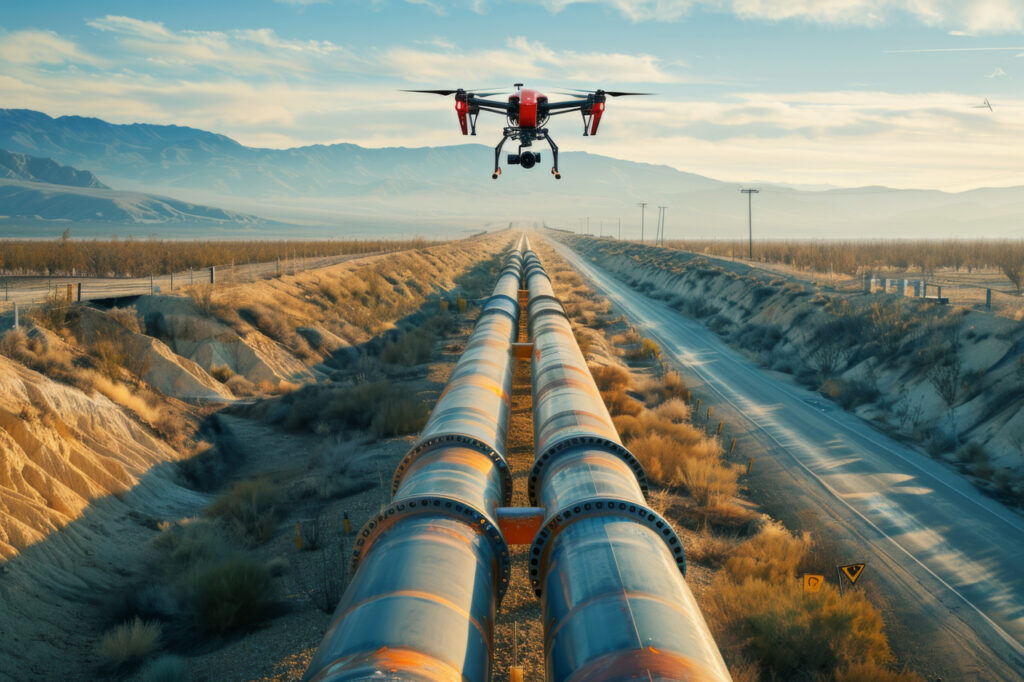
This guide covers repairs to leaks discovered during leak detection and repair programs, as well as releases that may arise during routine maintenance and repairs of equipment. Guide highlights general strategies (mitigation strategies) to reduce emissions through operational repairs.
Reducing methane emissions: Best practice guide – equipment leaks

This guide focuses on identifying the sources of fugitive leaks and outlines effective strategies for their detection and repair. By implementing these mitigation measures, it provides actionable solutions to minimize emissions, improve operational efficiency, and enhance environmental compliance.
Reducing methane emissions: Best practice guide – engineering design and construction

This guide provides engineering and the design of systems options that can be used to reduce methane emissions before new facilities begin operations or when existing facilities are modified. The design phase provides the best opportunity to identify methane reductions.
Recommended practices for electrification of oil and gas facilities
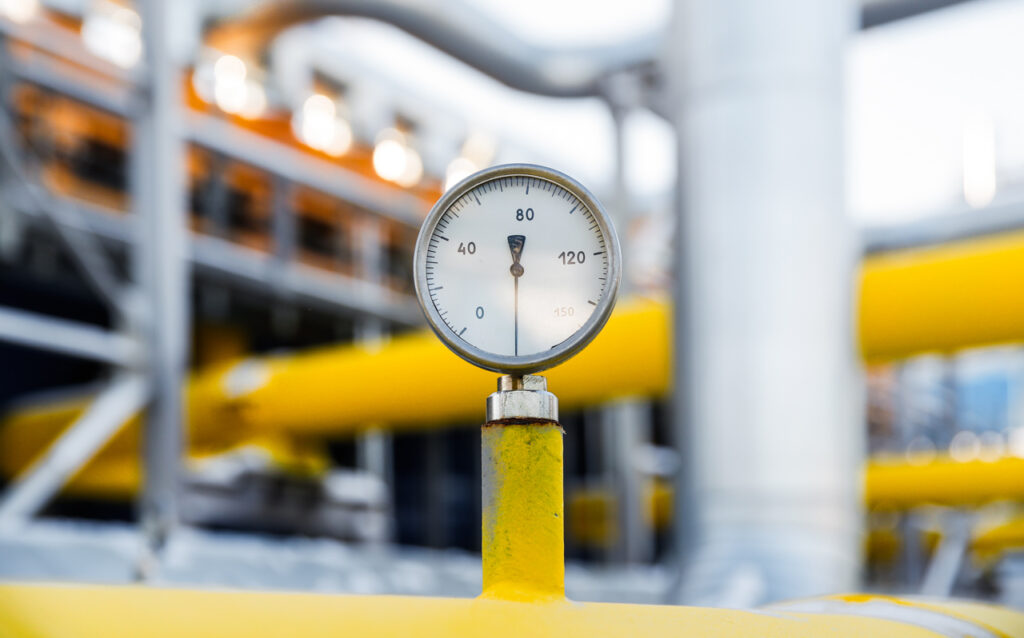
This report provides recommendations for the electrification of oil and gas (and other petrochemical processing) facilities to reduce their greenhouse gas (GHG) emissions. The use of electricity for shaft power (compression, pumping) and heat (fired heaters, boilers) allows the facility to use low carbon intensity power rather than burn hydrocarbons. Even in cases where connection […]
How to develop a fugitive emissions management program

This manual is a guide for industry on how to develop fugitive emissions management programs (FEMPs) that comply with Directive 060 regulation(Alberta, Canada). It clarifies requirements and includes best practices for managing fugitive emissions, which companies should consider when developing their programs.