Voluntary emissions reduction initiatives in 2023
Voluntary Emissions Reduction Initiatives for the Oil & Gas Industry is for anyone who values responsible energy. This 2023 third edition updates existing and new programs, totalling 24 voluntary initiatives now available to the energy industry across the supply chain. New developments are highlighted as well as trends towards the use of shared methodologies and […]
Reducing methane emissions from Canada’s oil and gas sector – discussion paper

This Canadian federal discussion paper outlines the government’s commitment to reducing methane emissions from the oil and gas sector by 75% relative to 2012 levels by 2030. It presents strategies to achieve this target, including regulatory measures, technological advancements, and industry collaboration, aimed at improving environmental sustainability and meeting international climate goals.
EPA’s final methane rule: Incorporating advanced technologies and emissions data to reduce methane emissions from the oil and gas sector

The article from the Harvard Environmental & Energy Law Program examines the EPA’s authority to issue a new rule that applies to both new and existing sources of methane emissions for the first time. It highlights several key provisions of the rule, including the incorporation of advanced monitoring technologies, specific timelines and compliance requirements, and […]
Recommended practices for methane emissions detection and quantification technologies – upstream

This Recommended Practice provides the user with a framework for implementing combinations of measurement, detection, and quantification technologies at onshore and offshore assets to facilitate improved methane management and emissions reporting. It consists of detailed decision trees to guide technology deployment. The resource was updated in March 2025, expanding the number of technologies included in […]
Leak detection methods for natural gas pipelines
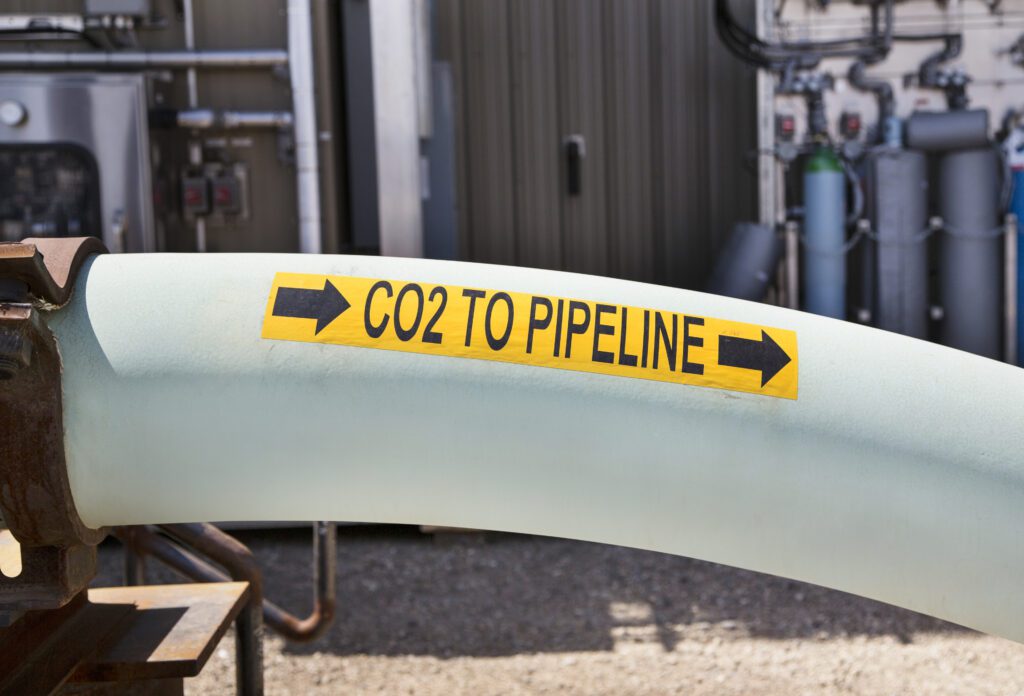
This report provides an overview of various technologies used to detect methane leaks from pipelines. It contrasts legacy methods with more advanced solutions. The study includes a literature review and expert interviews to categorize and assess these technologies. Key findings emphasize the significance of pipeline methane emissions and the growing importance of modern detection methods […]
Reciprocating compressors and methane slip
This study examines the relative impacts of temperature, radicals (partially reacted chemical species), and turbulent jet mixing on ignition performance. It also highlights the need for cost-effective methods to quantify methane emissions in equipment exhaust in the field. This resource is valuable for professionals seeking to understand methane emission sources and functional aspects of such […]
Reducing GHG emissions from the US natural gas supply chain
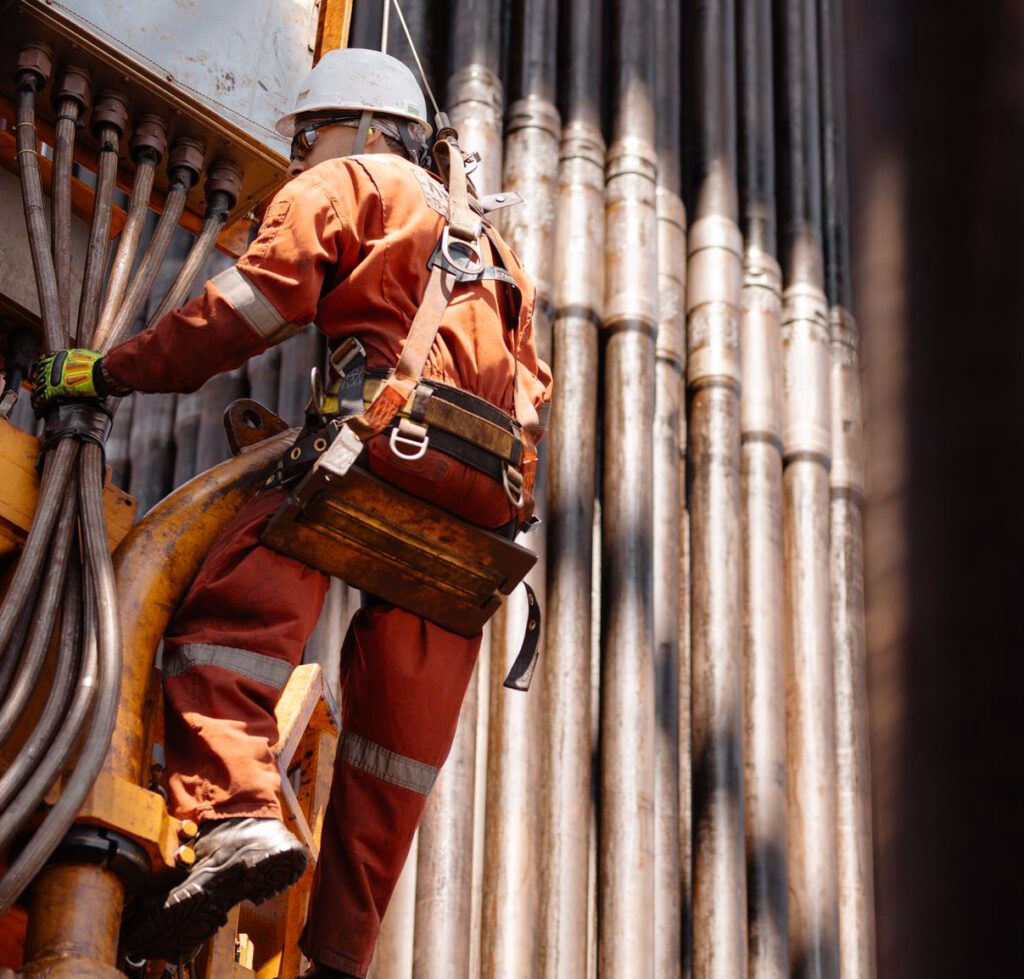
The study’s research charts a course forward to meaningfully reduce emissions from the natural gas system, contributing significantly to the United States’ ability to achieve its climate goals. The report concludes that through the implementation of existing policies, voluntary commitments, technologies, and market mechanisms, a 63% reduction in methane emissions can be achieved by 2030. […]
National oil companies and methane reductions: How to meet 2030 goals
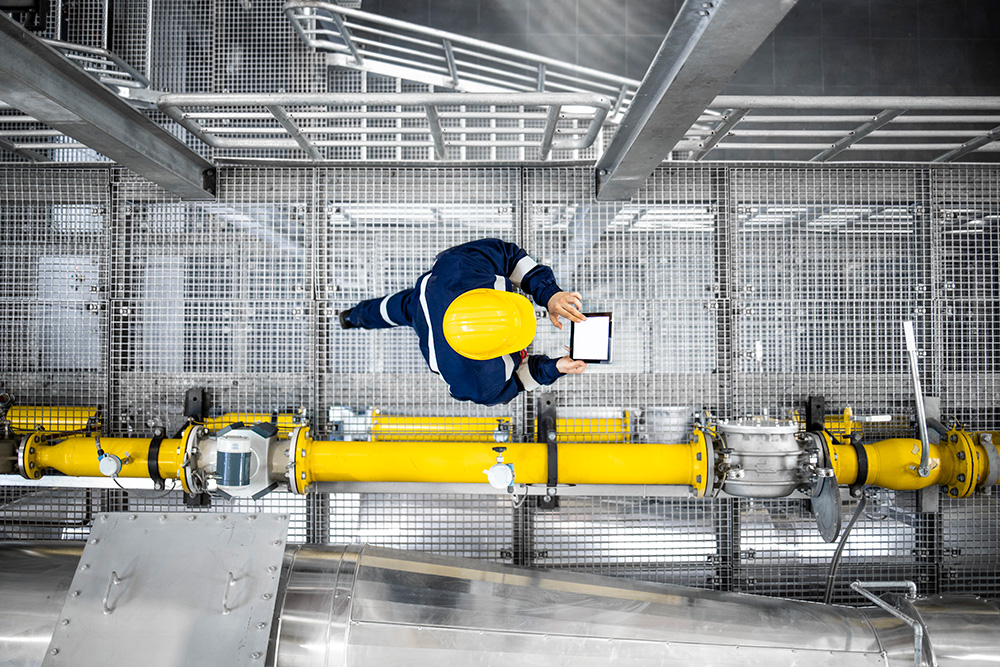
This paper examines what companies must do to realize their plans and raise their ambitions, and which types of partnerships can help accelerate these changes. It summarizes the importance of methane reductions by state oil companies, outlines their climate and methane reduction commitments, and analyzes the progress and emissions reductions pathways that will be necessary […]
Financing reductions in oil and gas methane emissions
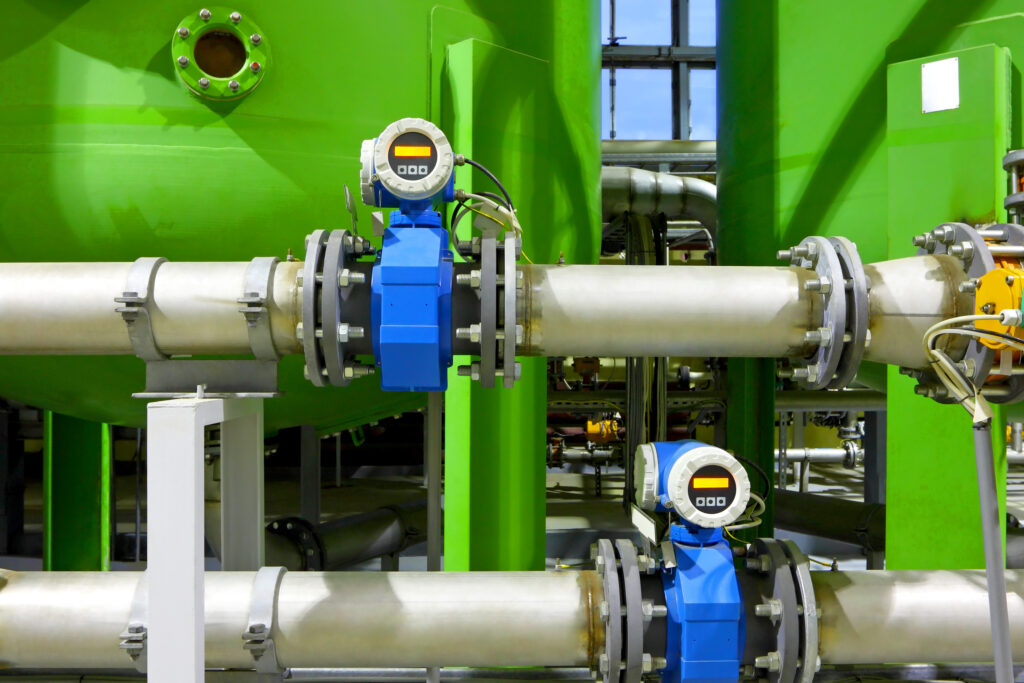
This report looks in detail at the investment requirements to deliver a sharp reduction in oil and gas methane emissions to 2030, and how these could be financed. The analysis is intended to inform discussions in the runup to COP28 and help prompt the necessary actions to accelerate the pace of change. Includes lessons learned […]
Curtailing methane emissions from fossil fuel operations
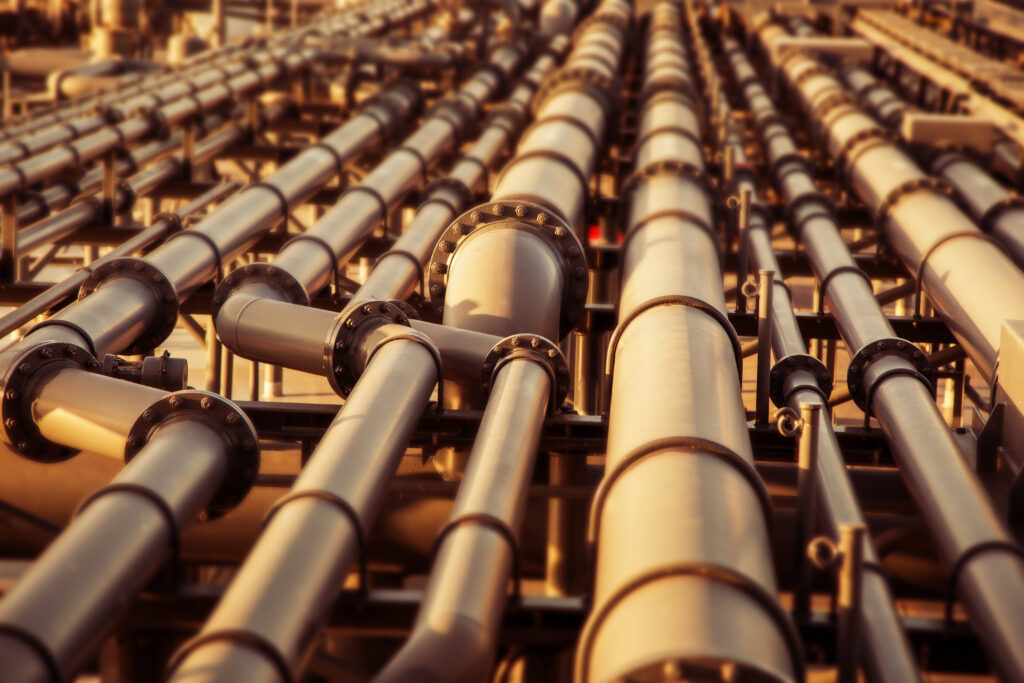
This report explores practical measures that governments and companies can take to secure a 75% reduction in methane emissions from fossil fuel operations as envisioned in the IEA’s Net Zero by 2050 Roadmap. Building on the estimates of emissions and abatement options in the IEA Methane Tracker and our Regulatory Roadmap and Toolkit, authors quantify […]