Pneumatic device replacement

This resource outlines the work and research conducted by EQT’s Production and Environmental teams to target low-cost opportunities for abating methane emissions from natural gas-driven pneumatic devices. It useful for professionals trying to implement similar project and learn for real deployments.
Driving down methane leaks from the oil and gas industry – regulatory roadmap
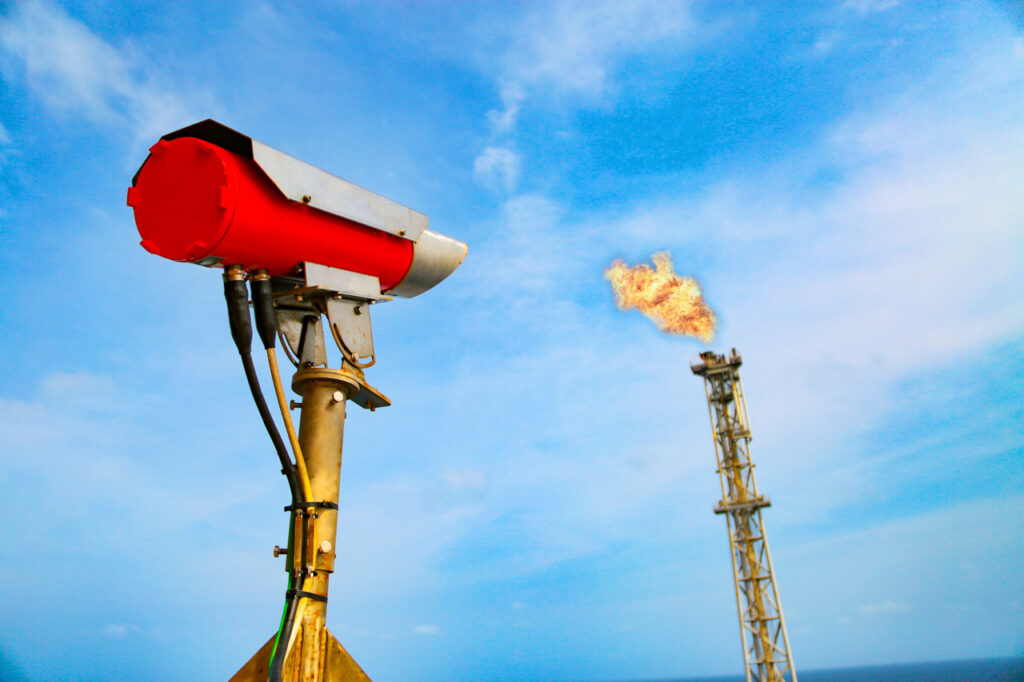
Ten-step roadmap for policymakers to implement methane policies for the oil and gas industry. Across these steps, the process of implementing a new regulation unfolds in three distinct phases – understanding your setting (Steps 1-3), designing and developing your regulation (Steps 4-8), and implementation (Steps 9-10).
Methane emissions in the EU: The key to immediate action on climate change

This briefing provides an overview of the key sources of methane (CH4) in the EU. It also describes the main EU and international policy processes for reducing CH4 emissions, which contribute to achieving the objectives of the Paris Agreement and climate neutrality.
The imperative of cutting methane from fossil fuels
An IEA report emphasizes the need to cut methane emissions from fossil fuels. It highlights the potential of existing technologies and policies to significantly reduce these emissions and calls for stronger regulations and international cooperation. The report calls for robust regulatory frameworks, increased investment, and targeted action to deploy cost-effective methane mitigation strategies, particularly in […]
Leak detection methods for natural gas pipelines (Chinese translation)
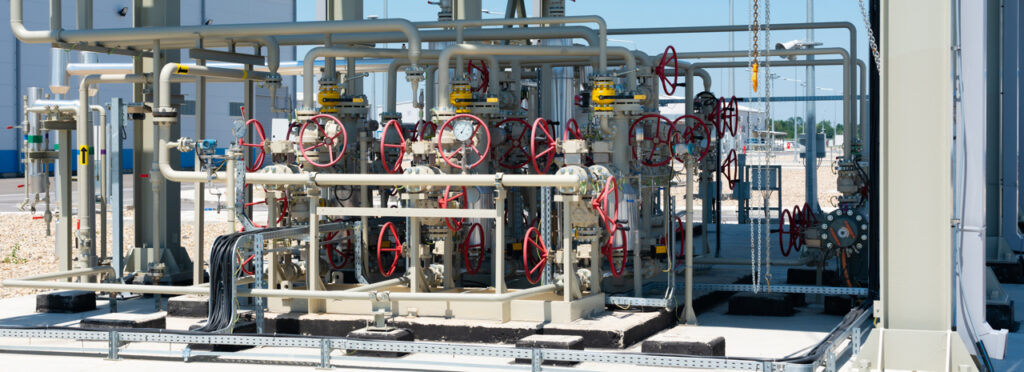
This report provides an overview of various technologies used to detect methane leaks from pipelines. It contrasts legacy methods with more advanced solutions. The study includes a literature review and expert interviews to categorize and assess these technologies. Key findings emphasize the significance of pipeline methane emissions and the growing importance of modern detection methods […]
Regulatory impact analysis of the supplemental proposal for the standards of performance for new, reconstructed, and modified sources and emissions guidelines for existing sources – oil and gas sector climate review
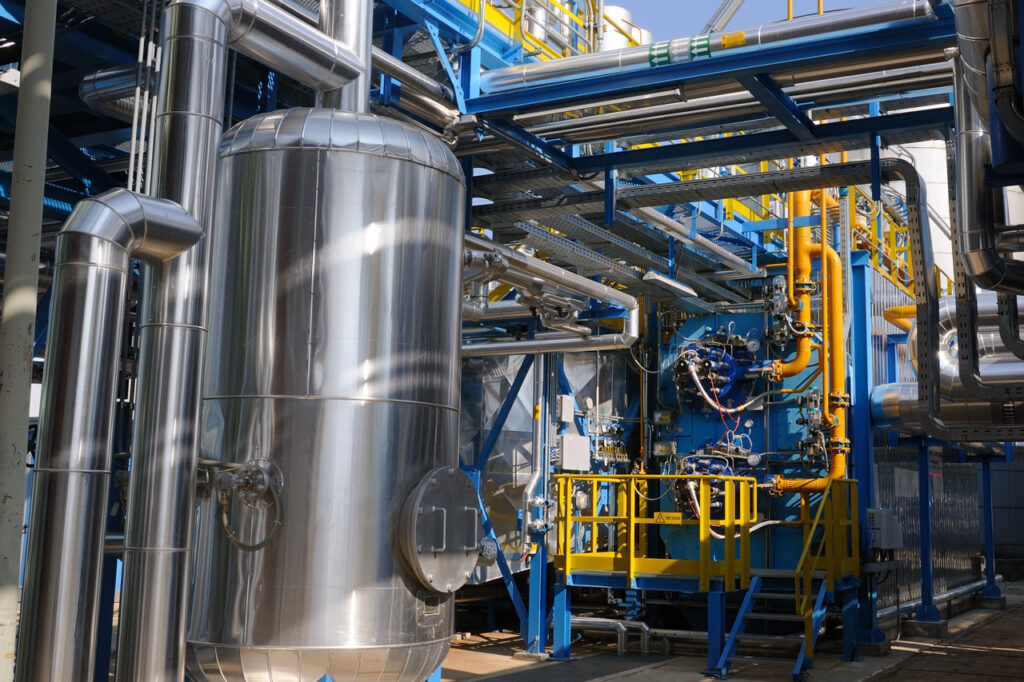
Regulatory impact analyses (RIA) for the supplemental rule. This RIA for the supplemental notice projects the potential impacts of these proposed actions. It mostly discusses the cost and benefits of proposed changes. It also includes a summary of modelling conducted using FEAST to propose an alternative matrix.
IMEO Report
The International Methane Emissions Observatory’s third annual report provides decision makers a framework of action to track and monitor methane emissions to plan targeted and ambitious action for their mitigation. The International Methane Emissions Observatory (IMEO) of the United Nations Environment Programme (UNEP) is poised to catalyse rapid climate action informed through these new data, […]
The MiQ-Highwood Index: A national-scale measurement-informed methane intensity for the US

MiQ and Highwood Emissions used Sherwin et al.’s data to estimate a U.S. methane intensity of 1.0% for production and 2.2% for the full gas supply chain. This report provides a national methane intensity index for natural gas in the U.S. (onshore, lower 48 states) and explains the methodology. Future updates could refine this index […]
Coalition for LNG emission abatement toward net zero – Annual Report
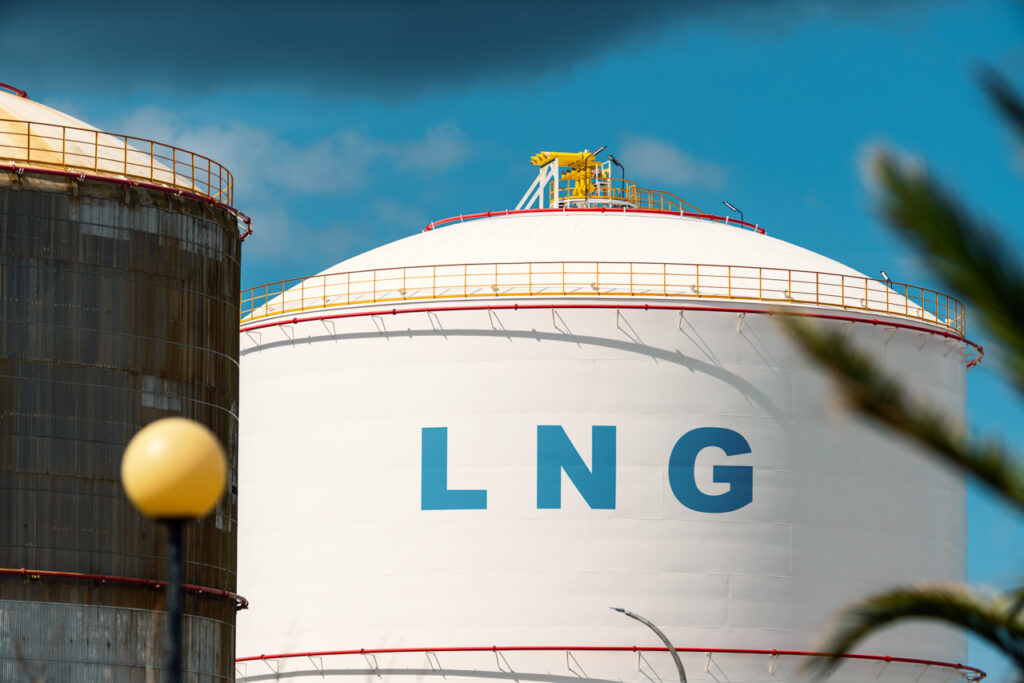
The first annual report of the CLEAN Initiative published in 2024 highlights best practices based on LNG buyers’ questionnaires to sellers regarding methane emission reductions. The initiative has gained strong support from governments, international organizations, and energy companies, with plans to expand participation in the coming year. It showcases efforts to reduce emissions across the […]
Methane emissions reduction from compressors pilot project
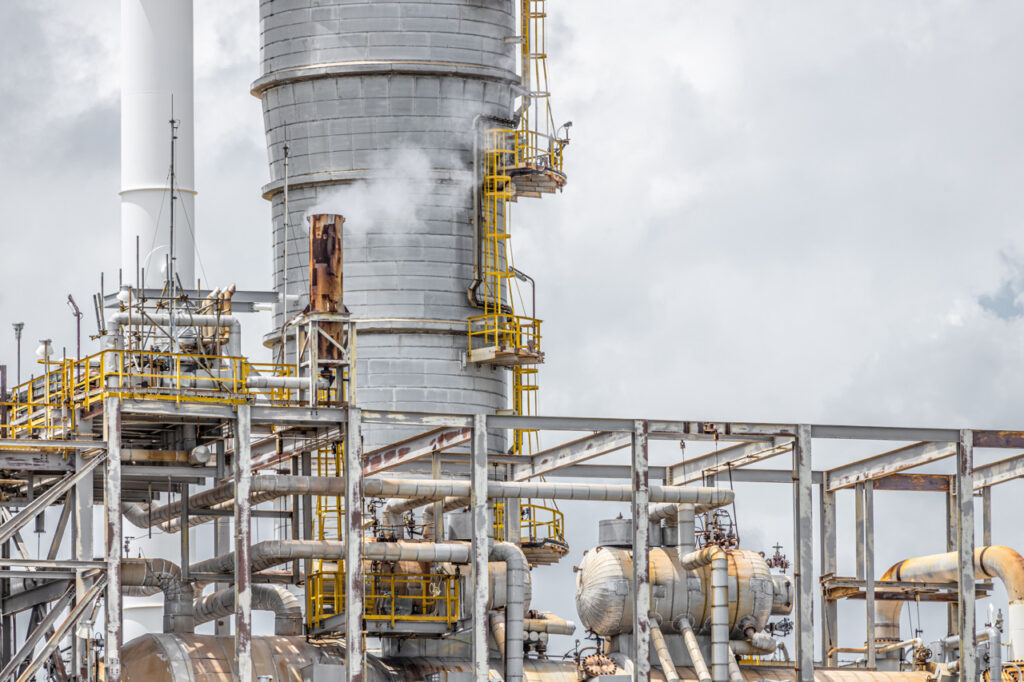
The document described a pilot project aimed at reducing methane emissions from compressors at PEMEX. It examines the transition from wet to dry seal systems benefits and cost assessment. The study demonstrates significant environmental and economic benefits from adopting dry seal technology.