Efficient use of energy in oil and gas upstream facilities
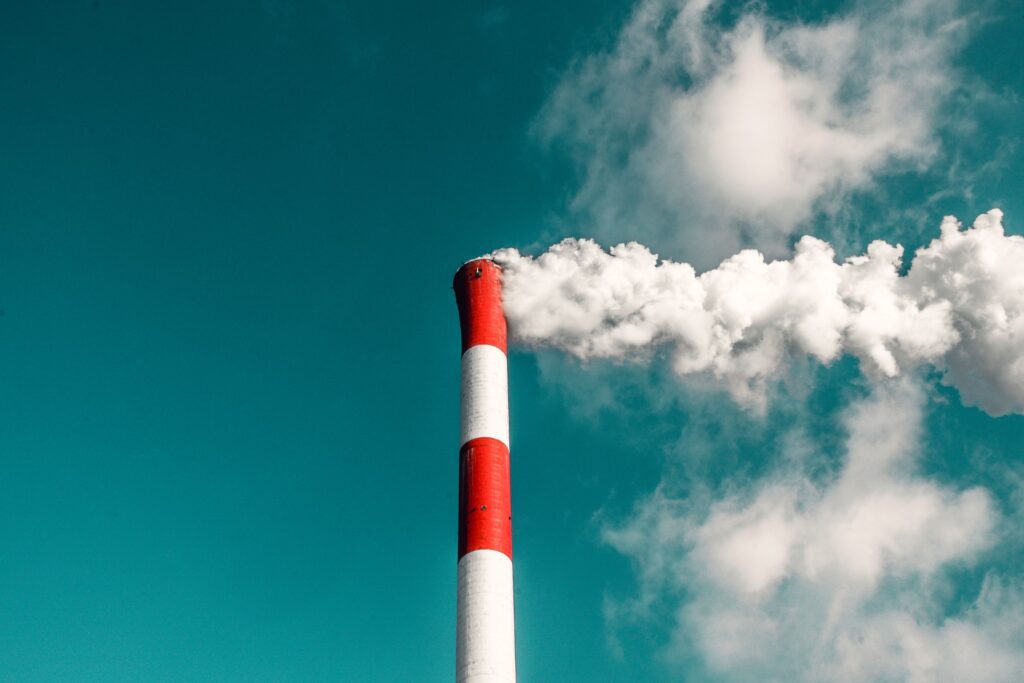
Report shares recommended practices for energy management and optimization for the design, installation, and operation of new and existing equipment and systems. This report is intended to guide upstream oil and gas organizations on improving energy efficiency and reducing GHG emissions and energy costs, regardless of an organization’s current progress toward decarbonization. It also includes […]
Guidelines for venting minimization and vent recovery systems
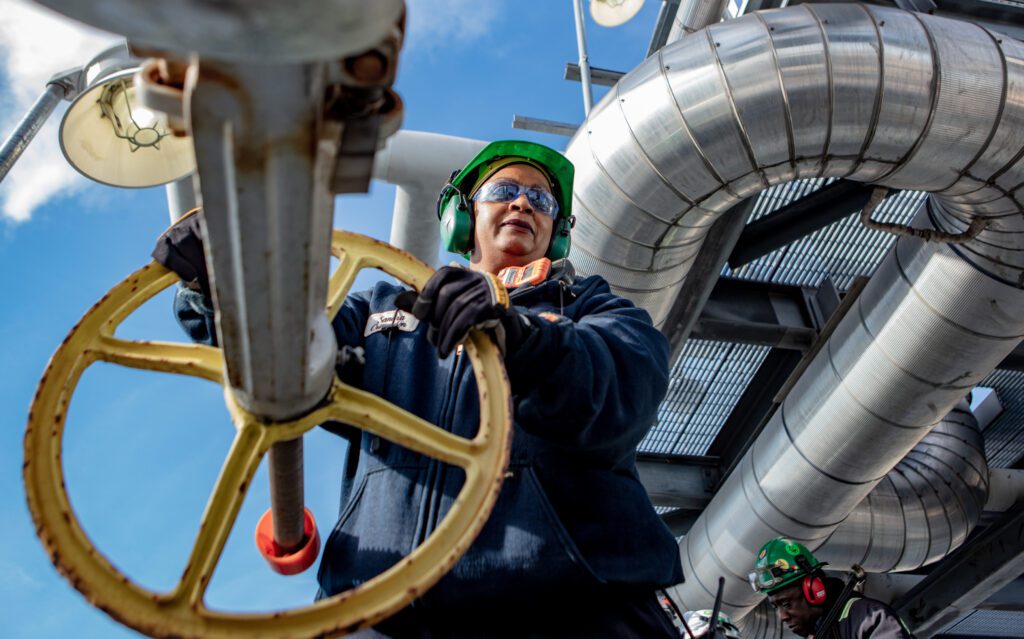
This guideline identifies venting sources and discusses the design and operation of vent systems and Volatile Organic Compound (VOC) recovery systems, as well as the situations in which these systems can be employed to minimize venting. This guidance has been developed to assist engineering and operations staff at upstream production facilities and may be useful […]
Methane venting from uncontrolled production storage tanks at conventional oil wells: Temporal variability, root causes, and implications for measurement

Emissions from uncontrolled oil production storage tanks are poorly understood and characterized. This study reports and analyzes directly measured, temporally varying methane emission rates, total gas vent rates, and vent gas methane fractions from storage tanks at eight active upstream oil production sites in Alberta, Canada. Detailed statistical analyses were completed to suggest minimum sampling […]
Guidelines for design and operations to minimize/avoid flaring sources

This report provides practical guidance for designing and implementing solutions to minimize or eliminate flared gas in the upstream oil and gas industry. It covers strategies for reducing flaring volumes, offering actionable insights to improve operational efficiency and environmental performance.
Guidelines for design and operation of flare gas recovery systems

Guidelines focus on continuous flaring sources in normal operations and address measures for source recovery, flare closure, and flare ignition. This Report has been developed to assist engineering and operations staff at production, refining, and petrochemical owners and operators, and engineering staff at design consultancies and at engineering, procurement, and construction contractors.
Flaring management guidance – a summary
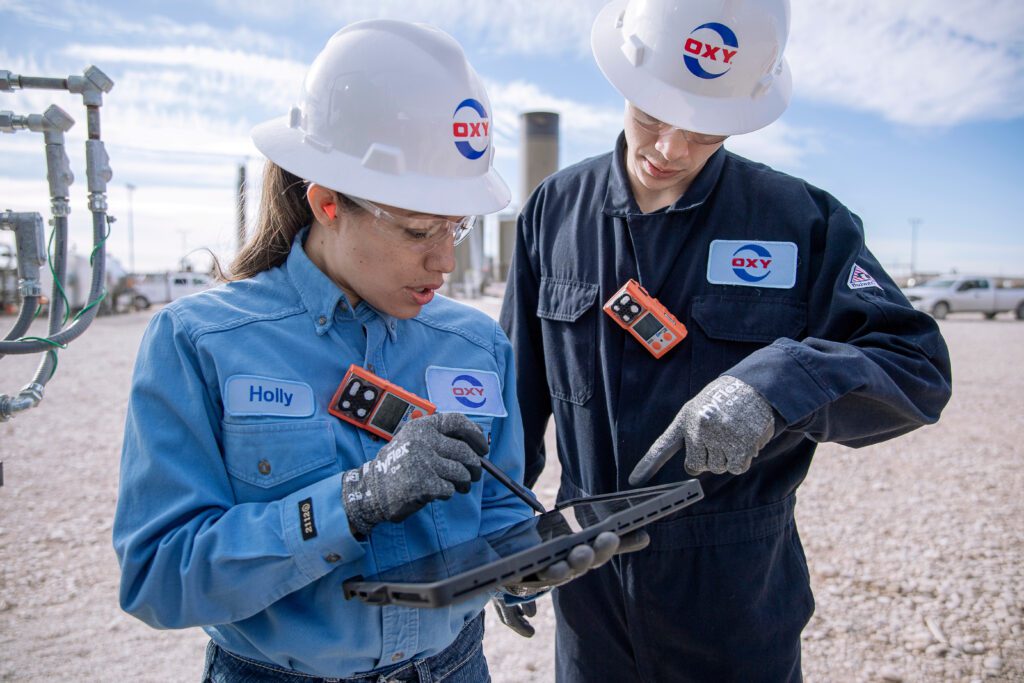
Flaring management guidance, developed by Ipieca, IOGP and GGFR in partnership, outlines new developments in flaring management and reduction, and examines industry experiences with eliminating flaring, new technologies, business models, operational improvements and regulatory policy. It also features case studies and examples of positive change.
Advanced methane technology alternative test method portal

EPA portal to submit requests for alternative test methods (ATM). ATM request has three primary pieces: 1) a document describing how your technology works, from first principles through the solution; 2) supporting documents demonstrating the technology works as stated and showing applicability; 3) the formal ATM. All those documents are available in the portal for all […]
Approved instrument monitoring method for oil and gas

Page with alternative technologies approved for use to meet Regulation 7 requirements. Submitted Alternative AIMM (Approved Instrument Monitoring Method) applications and approval letters are available for download. The application requirements include details around commercial availability of the proposed technology, its reliability in detecting emissions, and its effectiveness compared to traditional methods like IR cameras or […]
Alternative fugitive emission management program approvals
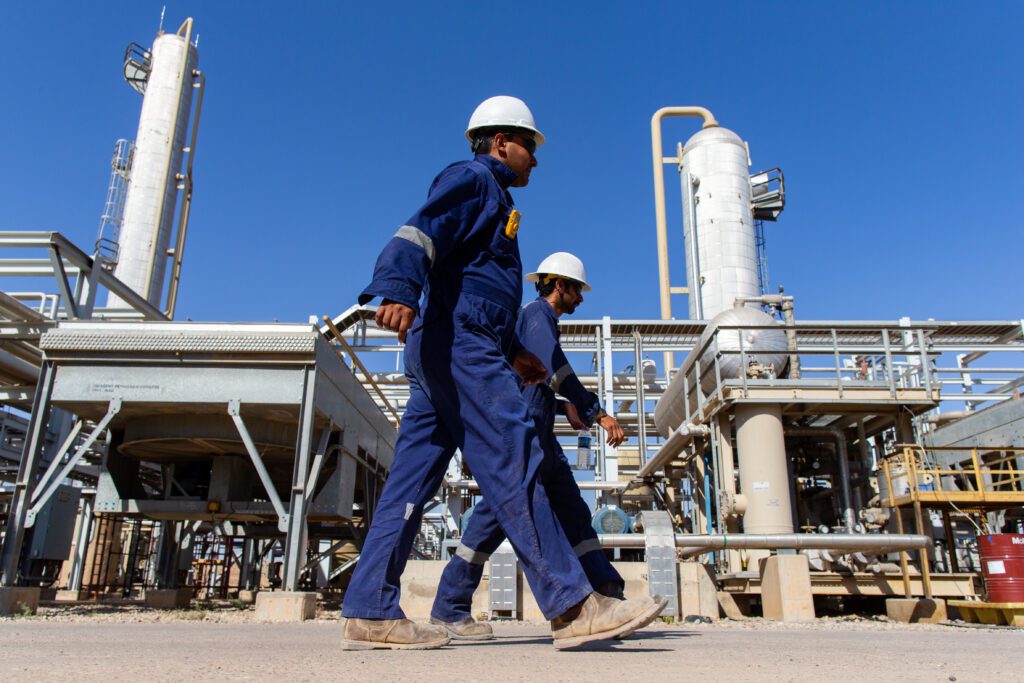
List of the alternative technology plans which have been approved for use on oil and gas sites in Alberta by the Alberta Energy Regulator. Aerial, continuous monitors, vehicle-mounted, and drone-mounted technologies have been approved, usually paired with OGI for following up on detections. AER published in the page performance reports that track overall effectiveness and […]
OGMP technical guidance documents
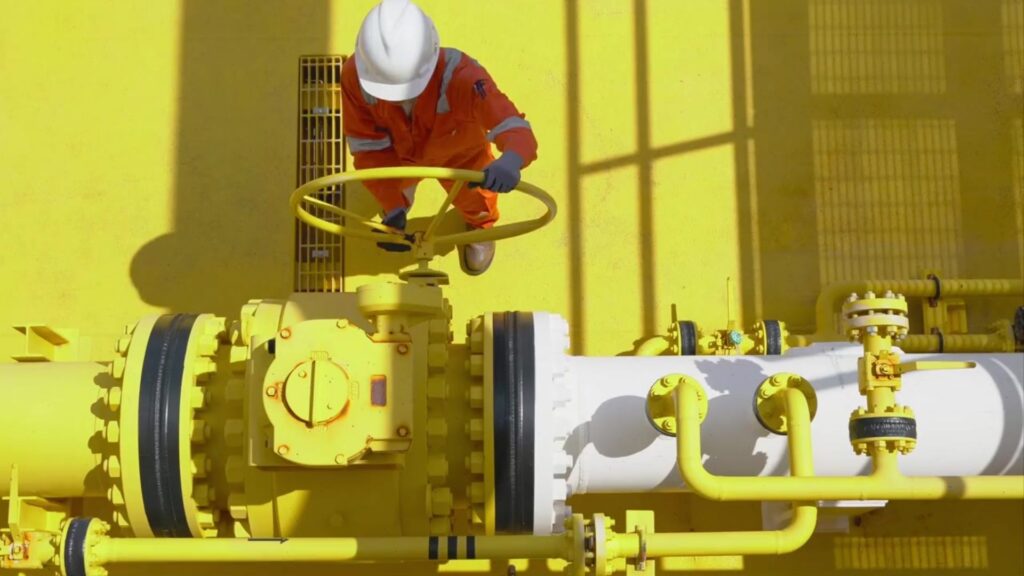
Technical Guidance Documents (TGDs) on each of the nine core emission sources covered by OGMP. The guidance documents present suggested methodologies for quantifying methane emissions from each source and describe established mitigation options that could be referenced when determining if the source is “mitigated. The resources include technical guidance documents addressing various aspects of methane […]