
Regulatory impact analysis of the supplemental proposal for the standards of performance for new, reconstructed, and modified sources and emissions guidelines for existing sources – oil and gas sector climate review

Regulatory impact analyses (RIA) for the supplemental rule. This RIA for the supplemental notice projects the potential impacts of these proposed actions. It mostly discusses the cost and benefits of proposed changes. It also includes a summary of modelling conducted using FEAST to propose an alternative matrix.
Methane emissions from upstream oil and gas production in Canada are underestimated

In this study methane emissions were measured at 6650 sites across six major oil and gas producing regions in Canada to examine regional emission trends, and to derive an inventory estimate for Canada’s upstream oil and gas sector.Overall, study estimate that the Canadian upstream oil and gas methane inventory is underestimated by a factor of […]
Closing the methane gap in US oil and gas production emissions inventories

In this study, the authors develop a new inventory-based model for methane emissions (production segment only) that agrees within error with recent syntheses of site-level field studies and allows for isolation of equipment-level contributions.Study suggests that unintentional emissions from liquid storage tanks and other equipment leaks are the largest contributors to divergence with the GHGI. […]
A measurement-based upstream oil and gas methane inventory for Alberta, Canada reveals higher emissions and different sources than official estimates
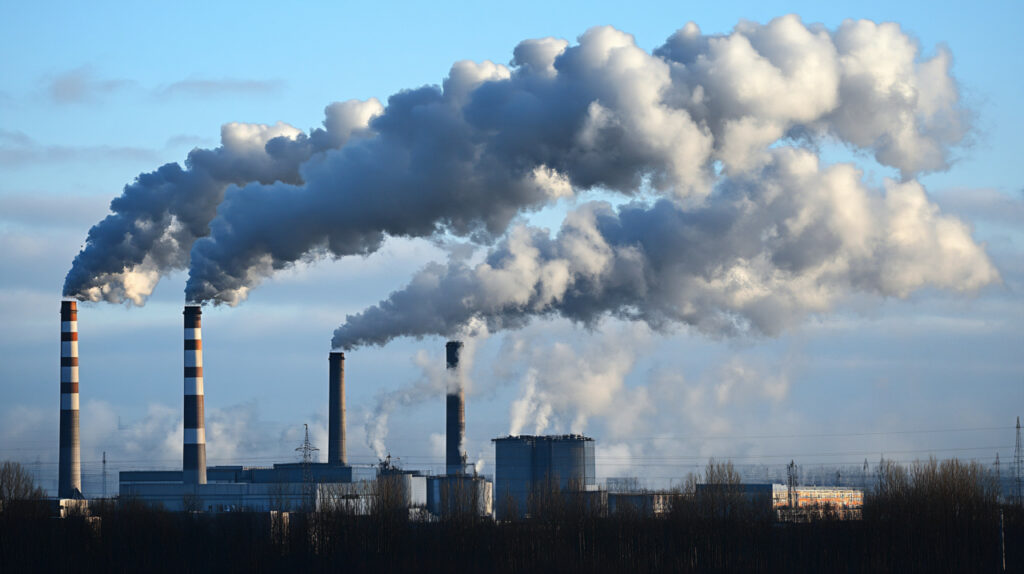
This study focuses on creating a robust, source-resolved methane inventory for conventional upstream oil and gas production in Alberta, Canada, leveraging high-sensitivity LiDAR-based methane detection. Derived inventory is directly compared with top-down estimates from parallel aerial mass-balance surveys and a provincial inventory derived from recent satellite measurements in western Canada. The study also contrasts its […]
Overview of methane monitoring technologies

This resource provides a simple overview of various methane monitoring technologies, including a table that outlines the technology options, benefits, and disadvantages for each. It is particularly useful for industry professionals in methane emissions detection and quantification programs. This resource aids in understanding the various tools available to measure methane emissions, comparing their suitability for […]
Reducing methane emissions from Canada’s oil and gas sector – discussion paper

This Canadian federal discussion paper outlines the government’s commitment to reducing methane emissions from the oil and gas sector by 75% relative to 2012 levels by 2030. It presents strategies to achieve this target, including regulatory measures, technological advancements, and industry collaboration, aimed at improving environmental sustainability and meeting international climate goals.
EPA’s final methane rule: Incorporating advanced technologies and emissions data to reduce methane emissions from the oil and gas sector

The article from the Harvard Environmental & Energy Law Program examines the EPA’s authority to issue a new rule that applies to both new and existing sources of methane emissions for the first time. It highlights several key provisions of the rule, including the incorporation of advanced monitoring technologies, specific timelines and compliance requirements, and […]
How to develop a fugitive emissions management program

This manual is a guide for industry on how to develop fugitive emissions management programs (FEMPs) that comply with Directive 060 regulation(Alberta, Canada). It clarifies requirements and includes best practices for managing fugitive emissions, which companies should consider when developing their programs.
EPA’s natural gas STAR program
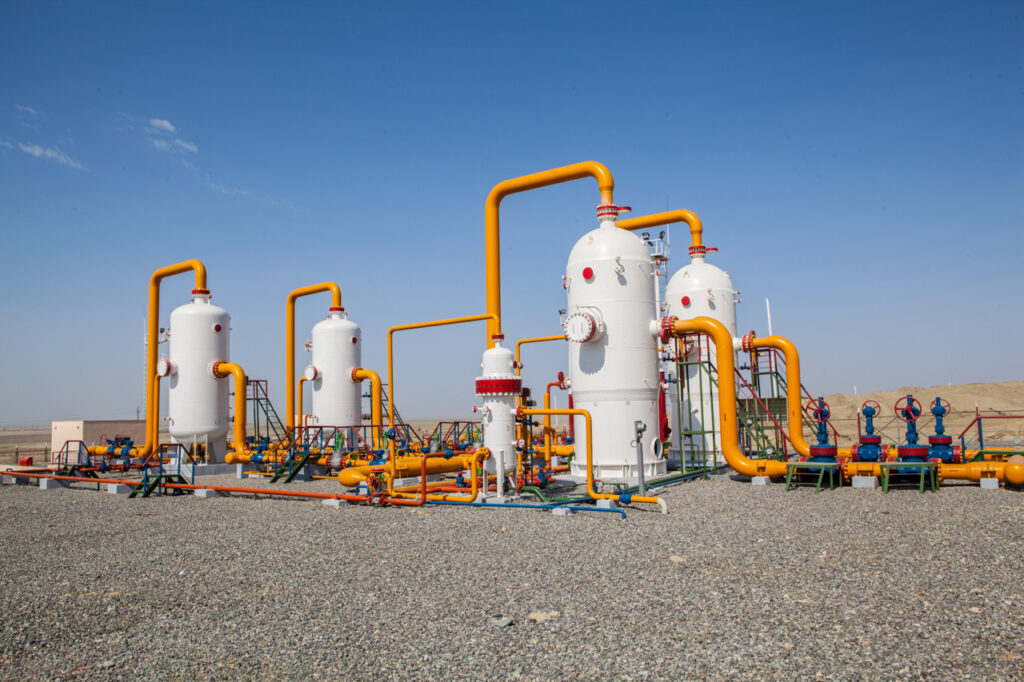
EPA’s Natural Gas STAR Program webpage includes a wide range of technical resources to assist companies in managing methane emissions. It includes a tool to identify available mitigation technologies, technical presentation materials, educational videos on methane emissions, and a list of equipment and service providers to support emission reduction efforts in the oil and gas […]
Electrification technology deployment catalogue

This technology deployment catalogue identifies and summarizes available electrification options/technologies that support effectively reducing greenhouse gas (GHG) emissions in the upstream oil and gas industry. It focuses on high-level information aimed at non-electrical engineers or decision makers undertaking specific project, concept, or front-end engineering design (FEED).