
How measurement works and why it is important
Measuring methane emissions is critical to improving the quality and transparency of data on methane. Not only does measurement enable us to understand the true scale of methane emissions, it also helps to pinpoint hotspots for further methane reduction efforts – both at a company and regional-level.
However, given the dispersed nature of methane emissions in oil and gas operations, methane emissions quantification is technically complicated compared to CO2, where emissions are generally concentrated at single points.
Emissions factor-based inventories
Emission inventories are calculated by using a combination of appropriate engineering calculation methods. Within these calculations, inputs such as measurement data and emission factors form basis for the source-level inventory.
Meanwhile, site-level measurements are complementary and may be used to adjust the source-level inventory, which has formed the basis of operator and national reporting programs in many jurisdictions.
Emissions from a facility are calculated by collecting operational data from particular types of equipment or assets – then using the data in combination with emission factors that are the best match for the facilities operated by a particular company or given by a national agency.
While not intended to reflect the quantity of methane being emitted from a site at a specific point in time, emissions factors are useful in establishing estimates of common sources across large sample sizes. Additionally, these calculations have been helpful where direct measurement has not been possible, or where measuring a large number of sources is not feasible.
Good source-level inventories are an important step for understanding methane emissions and opportunities for abatement, but there are emerging opportunities for further improvement that are informed by technological advances.
These advances can address several existing issues – For example, a significant amount of emissions can come from malfunctions or unpredictable emissions episodes, which may not be accurately accounted for in the relevant emissions factor. Additionally, in some cases, emission factors need to represent a broad range of facilities, and so may not be representative of emissions sources in all operating areas or conditions.
In addressing these and other concerns, further improvements in technologies and protocols could therefore help to reconcile some of the disparities in methane emissions estimates as reported by different organisations looking at the issue.
Measuring methane emissions
As technology has evolved in recent years, new forms of methane measurement have therefore increasingly been used to complement and potentially replace existing emission factor-based inventories where justifiable for relevant emission sources. This has resulted in a significant uptake in monitoring, reporting and verification exercises producing more accurate emissions figures.
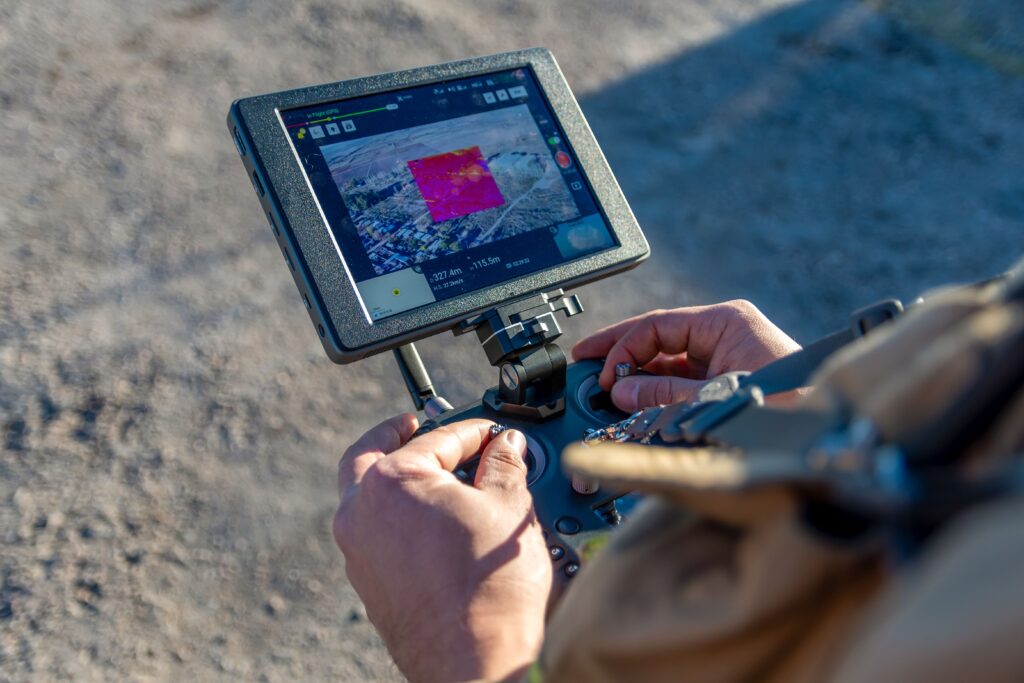
Emissions measurements can be conducted using a variety of approaches, each tailored to specific site conditions and monitoring objectives. Improvements have taken different forms for different operators, including new source-level methods and deployment of site-level technologies like drones, aircraft, satellites, or continuous monitoring technologies.
Where possible, source-level, quantification – focused on known sources of emissions – may provide valuable information regarding a facility’s overall emissions profile. These inventories may be built via direct measurement, engineering calculations, process simulations, manufacturers estimate and/or source-specific emission factors with field-derived activity data.
Meanwhile, periodic site-level measurements provide a snapshot of emissions over a defined area. These measurements are used to calculate emission rates based on real-time meteorological data—such as wind speed—and other relevant parameters, including background methane concentrations and the shape of visible methane plumes. Results from site-level measurements may also be valuable in informing source-level quantification where applicable.
Alternatively, continuous monitoring technologies offer real-time detection and sometimes quantification capabilities. These systems include fence line monitoring systems based on cameras or methane sensors, designed to detect emissions at source. Many of these systems incorporate site-specific variables. While uncertainties are inherent in the calculation of emission rates, these methods can provide insight in a site’s methane emission profile over a prolonged period of time.
With increased uptake, measurement activities are expected to provide information necessary to improve methane emissions management and help both industry and wider stakeholders channel support to priority areas. In identifying emission reduction opportunities across sites, source-level understanding –often informed by different types of measurement – is essential to prioritize action.
OGCI member company efforts and approach to methane measurement
OGCI’s member companies are working, individually and collectively, to integrate methane measurement into management practices and address methane emissions in a more meaningful way.
Ten OGCI member companies are now part of the UN Environment ‘s Oil and Gas Methane Partnership 2.0 (OGMP 2.0). OGMP 2.0 is a comprehensive, measurement-based reporting framework for the oil and gas industry aiming to improve the accuracy and transparency of methane emissions reporting to aid methane mitigation actions.
At the collective level, OGCI has supported the broader oil and gas industry in deploying methane detection technologies. Chief among these efforts has been OGCI’s Satellite Monitoring Campaign (SMC), which has helped companies outside of OGCI to detect, locate and mitigate emissions. And OGCI Climate Investment has invested in multiple portfolio companies focused on methane emission reduction.
OGCI’s work will continue as measurement technologies and methodologies evolve at pace.
OGCI is committed to developing capabilities which reflect these requirements, and helping to navigate challenges associated with deploying measurement practices across the wider industry.
Please see here for more information on OGCI’s work on methane.