Satellite data to methane action: UNEP’s methane alert and response system

Case study demostrating how Methane Alert and Response System (MARS) has facilitated concrete methane action in Argentina. MARS is the first global satellite detection and notification system providing actionable data on major methane emissions around the world.
To meet global methane goals, improve gas data
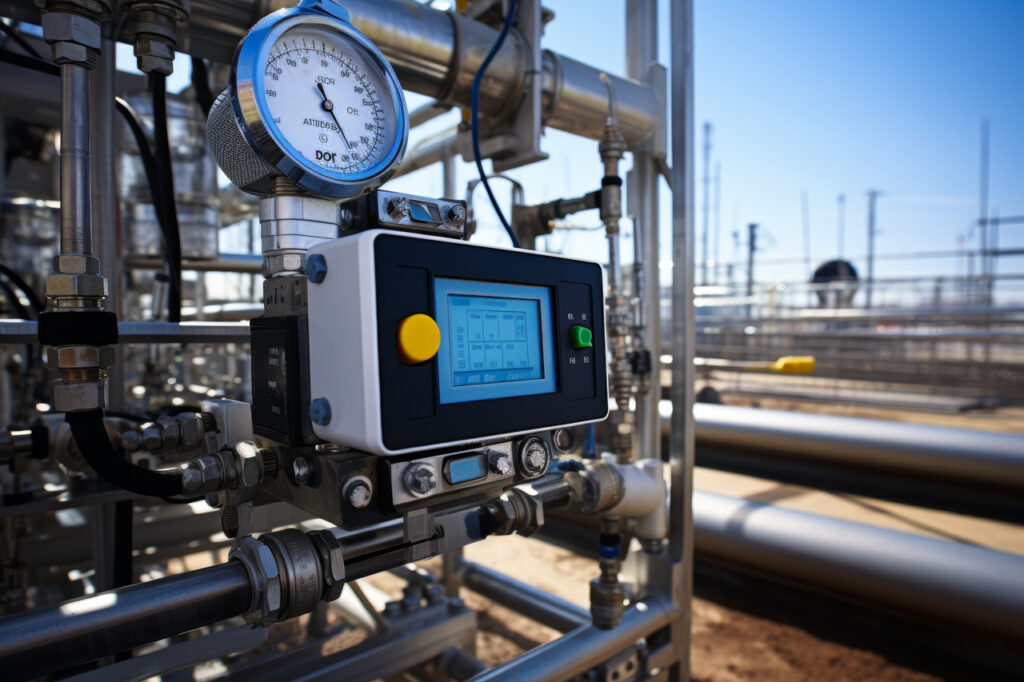
The article from CSIS focuses on the importance of improving data on methane emissions to meet global methane reduction goals. It emphasizes that accurate and comprehensive methane emissions data are crucial for effective policy-making and achieving environmental targets. The article discusses current challenges in measuring methane emissions from the oil and gas sector, highlighting gaps […]
Multi-scale methane measurements at oil and gas facilities reveal necessary frameworks for improved emissions accounting

This study pairs snapshot measurements with continuous emissions monitoring systems (CEMS) to reconcile data and account for intermittent emissions. This study highlights the importance of high spatial and temporal resolution data in improving methane emissions mitigation efforts. By conducting multiscale measurements across three U.S. natural gas basins, the research demonstrates how incorporating variations in methane […]
Methane emissions from upstream oil and gas production in Canada are underestimated

In this study methane emissions were measured at 6650 sites across six major oil and gas producing regions in Canada to examine regional emission trends, and to derive an inventory estimate for Canada’s upstream oil and gas sector.Overall, study estimate that the Canadian upstream oil and gas methane inventory is underestimated by a factor of […]
Global assessment of oil and gas methane ultra-emitters
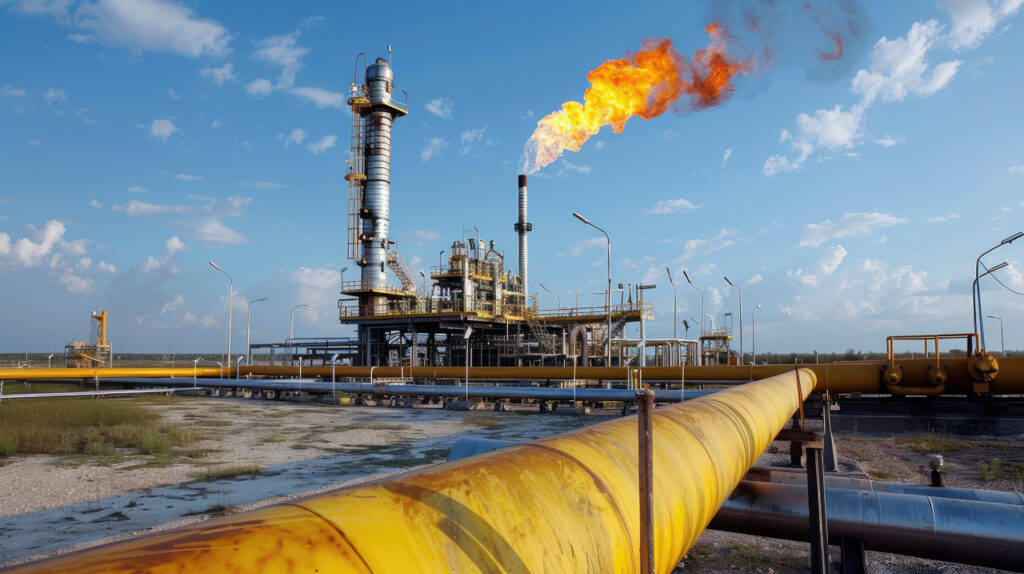
This resource analyzes data from the TROPOspheric Monitoring Instrument (TROPOMI) to detect ultra-emitters—large methane releases—over major oil and gas (O&G) basins worldwide. The study covers methane emissions observed between 2019 and 2020, estimating that ultra-emitters contribute approximately 8–12% of global methane emissions from O&G production, equivalent to around 8 million metric tons per year. The […]
Closing the methane gap in US oil and gas production emissions inventories

In this study, the authors develop a new inventory-based model for methane emissions (production segment only) that agrees within error with recent syntheses of site-level field studies and allows for isolation of equipment-level contributions.Study suggests that unintentional emissions from liquid storage tanks and other equipment leaks are the largest contributors to divergence with the GHGI. […]
A measurement-based upstream oil and gas methane inventory for Alberta, Canada reveals higher emissions and different sources than official estimates
This study focuses on creating a robust, source-resolved methane inventory for conventional upstream oil and gas production in Alberta, Canada, leveraging high-sensitivity LiDAR-based methane detection. Derived inventory is directly compared with top-down estimates from parallel aerial mass-balance surveys and a provincial inventory derived from recent satellite measurements in western Canada. The study also contrasts its […]
Inefficient and unlit natural gas flares both emit large quantities of methane
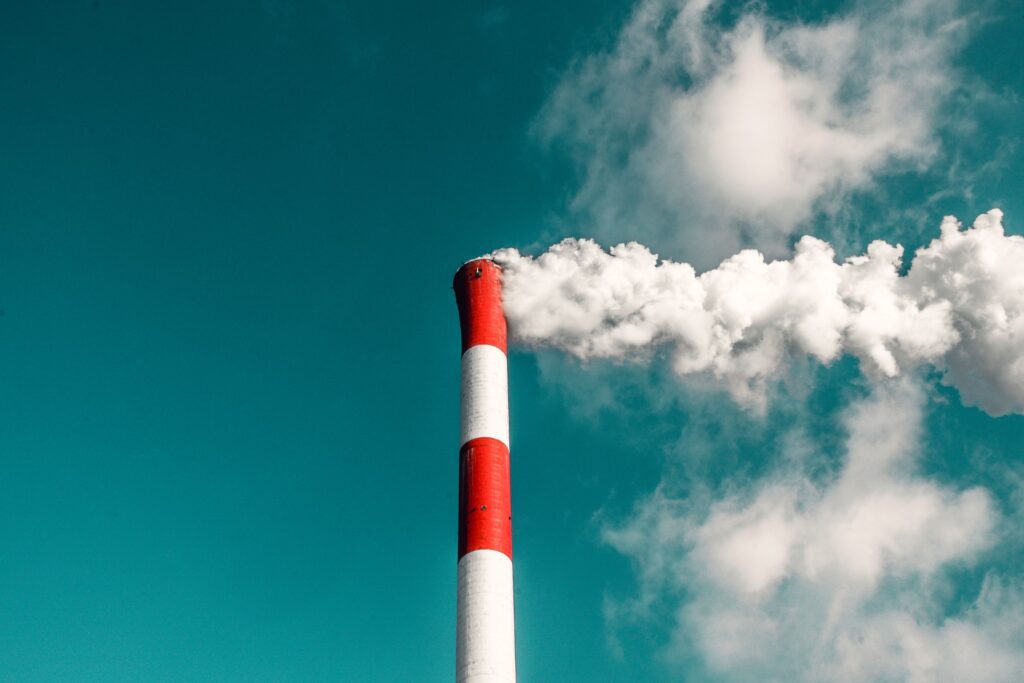
This study calculates flare efficiency by using airborne sampling across three U.S. basins that are responsible for more than 80% of the country’s flaring emissions. The findings reveal that both unlit flares and inefficient combustion contribute significantly to ineffective methane destruction. Specifically, flares are only effective in destroying 91.1% of methane, which is much lower […]
Toward multi-scale measurement-informed methane inventories: reconciling bottom-up site-level inventories with top-down measurements using continuous monitoring systems

This work presents a real-world demonstration of how to reconcile CMS rate estimates and top-down snapshot measurements jointly with bottom-up inventories at the site level. More broadly, it demonstrates the importance of multiscale measurements when creating measurement-informed, site-level emission inventories, which is a critical aspect of recent regulatory requirements in the Inflation Reduction Act, voluntary […]
Origins of oil and gas sector methane emissions: on-site investigations of aerial measured sources

This study combines high-resolution, high-sensitivity aerial survey data with subsequent on-site investigations of detected sources to investigate sources driving emissions, associated options for mitigation, and the effectiveness of regulations in achieving intended outcomes. Measurements were performed in British Columbia, Canada, an active oil- and gas-producing province with modern methane regulations featuring mandatory three-times-per-year leak detection […]