From measurement to action
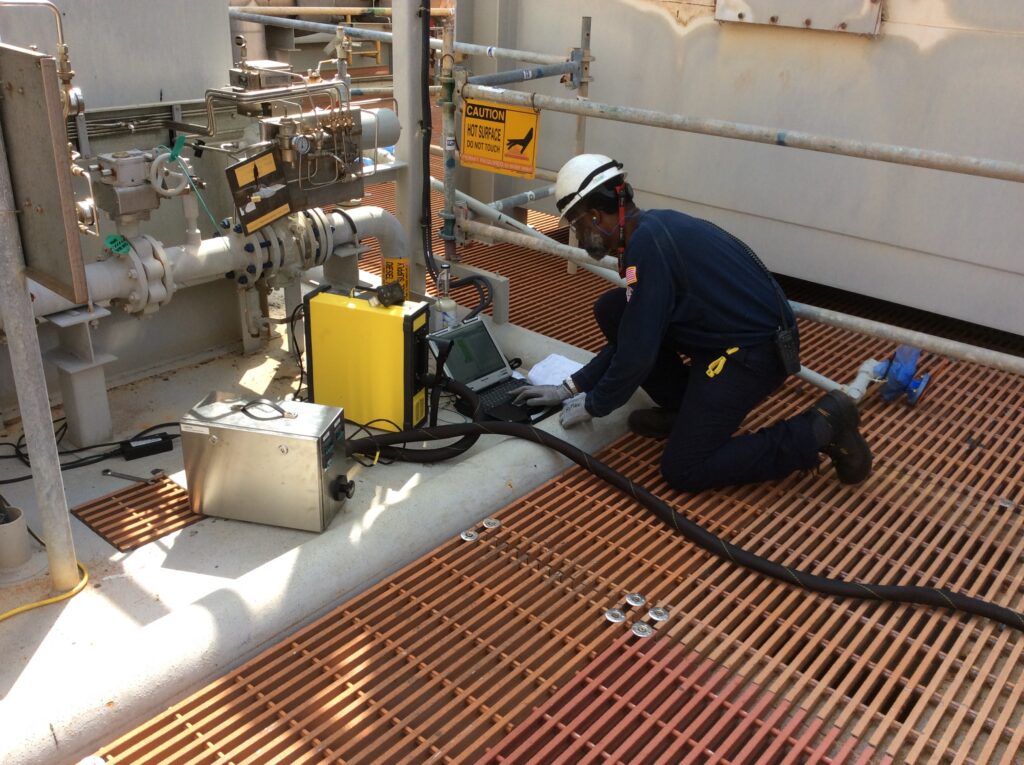
bp is using insights from measured methane data to dig deeper into our operational emissions and identify innovative ways to reduce them. The company’s approach combines source-level quantification, continuous monitoring, site-level surveys and operational data. This helps bp move beyond average emission factors and understand how methane emissions vary under real operating conditions, including turbine load, flare performance, gas composition, flow rates and weather.
Turning data into operational improvements
bp has used measured data to improve flare management. For example, severe weather, especially high winds, was found to affect flare destruction efficiency. On one bp asset, operators used real-time monitoring data to adjust purge practices during storm conditions, helping maintain higher destruction removal efficiency. The change required no capital investment and shows how detailed insights from measured data can support practical operational decisions.
Optimising operations to cut methane
In another example, measurement data showed that methane emissions were strongly linked to how load was distributed across turbines at an asset. By adjusting load sharing and reducing unnecessary spinning reserve, operators reduced methane emissions from the turbines by around 40% in each of two optimisation steps, with an estimated reduction of around 456 tonnes of methane in 2025. The changes also reduced fuel gas use, showing how methane abatement can support both environmental performance and operational efficiency.
These examples show how better measurement enables innovative approaches to reducing methane emissions.*
*Source: From Measurement to Mitigation: Targeted Methane Abatement Informed by Enhanced Measured Data, published. SPE-233588-MS, 2026 International Health, Safety, Environment, and Sustainability Conference & Exhibition