/

Methane emissions

Methane emissions

Chevron aims to keep methane in the pipe

Chevron is advancing methane detection through innovative technologies, including drone-based measurement, satellite and aircraft programmes. A 2025 offshore pilot demonstrated the potential for scalable unmanned aerial systems, building on 25 advanced detection technologies trialled across its upstream assets since 2016.

advanced methane detection

0 technologies

methane detection pilot conducted

0 deepwater platform

drones, satellites and aircraft

0 detection methods
In this case study:

Keeping methane in the pipe

Chevron’s approach to methane remains focused on keeping methane where it belongs – in the pipe. This starts with designing and operating facilities to prevent methane emissions and includes deploying technologies to validate performance, inform repairs, and improve inventories.

Piloting drone-based methane detection

In 2025, Chevron conducted a methane detection pilot at a deepwater platform in the Gulf of America using drones equipped with Bridger Photonics’ Gas Mapping LiDAR and Flux Curtain System.

The drones’ navigation systems and optimized flight logistics helped achieve more localized data collection and validate platform-wide emissions. The results of this pilot pave the way for scalable unmanned aerial system–based methane measurement for use in Chevron’s offshore portfolio and supporting its advanced methane detection goals.

Expanding methane detection across assets

Chevron is also leveraging satellite and aircraft detection programs to identify and reduce methane emissions. Since 2016, the company has trialed 25 advanced detection technologies across upstream assets, with the resulting findings utilized to improve inventories and inform repairs.

Sharing best practices across the industry

Chevron continues to promote and share best practices through trade groups and other industry coalition organizations.
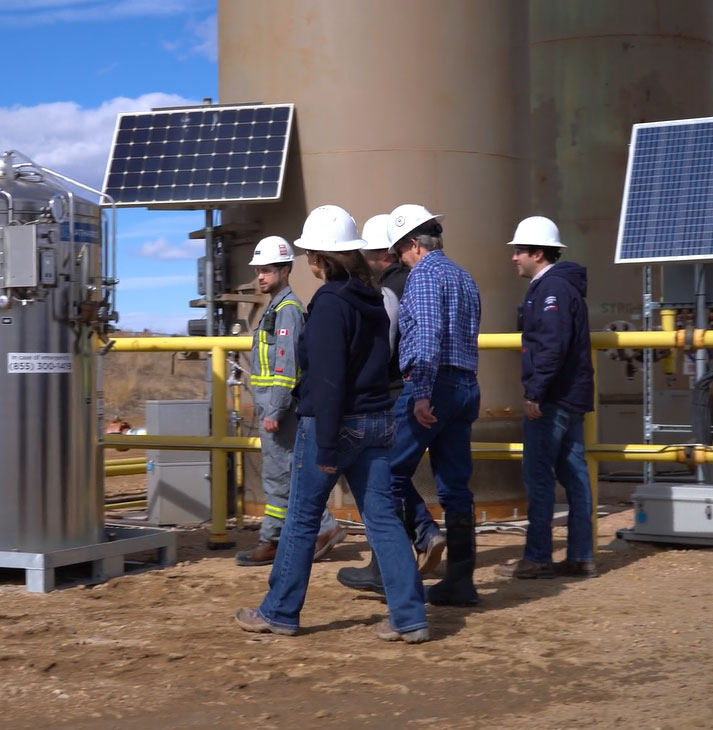
“We believe addressing methane emissions is a key part of being a responsible producer of oil and natural gas. Chevron’s monitoring and detection program continues to provide insights on how to improve the operation and maintenance of our facilities. Through partnerships with organizations like OGCI, we strive to help improve a broader understanding of methane emissions detection, measurement and development of protocols, all aimed at advancing global methane emissions performance.”

Chevron is an American multinational energy corporation involved in every aspect of the oil, natural gas, and geothermal energy industries, as well as lower-carbon energy investments.

Headquarters: San Ramon, California, United States

Founded: 1879

URL: chevron.com

Want to explore more?

Discover how companies are advancing climate solutions across the oil and gas industry.

Related case studies

ExxonMobil starts up second Louisiana CCS operation

ExxonMobil has begun transporting and storing captured CO₂ at its Gillis, Louisiana project, its second active commercial CCS operation in the state. The project is expected to remove up to 1.2 Mt of CO₂ per year, with the company’s two Louisiana projects together accounting for up to 3.2 Mt/year of contracted CO₂.

How Aramco created commercial value utilizing novel approaches to carbon accounting

Aramco has demonstrated how robust carbon accounting and verified carbon credits can be integrated into physical energy transactions. Its first commercial sale of a verified carbon-offset crude cargo shows how credible carbon intensity methodologies could support greater transparency and commercial differentiation.

How Norway’s 1971 petroleum principles shaped Equinor’s low-emission production on the Norwegian continental shelf 

Norway’s long-standing approach to limiting gas flaring has helped establish a framework focused on resource utilisation and lower-emission production. Equinor’s experience demonstrates how minimizing flaring and maximizing resource utilization have contributed to effective methane management and the efficient use of energy.