Strategies

Resources focused on methane abatement strategies. 

OGCI and its member companies do not assume any responsibility for the accuracy or reliability of any information offered by third-party websites linked though this site. The views expressed in the external content do not necessarily reflect those of OGCI or its member companies. See our Terms of Use.

Operational guidance

No content
This book highlights the business case for reducing gas flaring and methane emissions (FMR), offering a framework for policymakers to evaluate FMR project feasibility
This Fugitive Emissions Management Guideline provides regulatory requirements and guidance for fugitive emissions management in British Columbia. This guideline provides a structured approach to
This report explores practical measures that governments and companies can take to secure a 75% reduction in methane emissions from fossil fuel operations as
This report looks in detail at the investment requirements to deliver a sharp reduction in oil and gas methane emissions to 2030, and how
This paper examines what companies must do to realize their plans and raise their ambitions, and which types of partnerships can help accelerate these
Interactive database of country and regional estimates for methane emissions and abatement options. The page also contains links to annual reports evaluating annual trends.
This document provides guidance on reducing methane emissions from the use of natural gas as fuel in oil and gas operations. Methane slip, the
Flaring management guidance, developed by Ipieca, IOGP and GGFR in partnership, outlines new developments in flaring management and reduction, and examines industry experiences with
This guideline identifies venting sources and discusses the design and operation of vent systems and Volatile Organic Compound (VOC) recovery systems, as well as
Report shares recommended practices for energy management and optimization for the design, installation, and operation of new and existing equipment and systems. This report
This technology deployment catalogue identifies and summarizes available electrification options/technologies that support effectively reducing greenhouse gas (GHG) emissions in the upstream oil and gas
EPA’s Natural Gas STAR Program webpage includes a wide range of technical resources to assist companies in managing methane emissions. It includes a tool
This manual is a guide for industry on how to develop fugitive emissions management programs (FEMPs) that comply with Directive 060 regulation(Alberta, Canada). It
EPA tool to learn about technologies and practices that can be used to reduce methane emissions from these sources. The platform reflects experiences and
This tool is designed for asset managers in the oil and gas industry to assess methane management practices and identify improvement opportunities. Using a
This report provides recommendations for the electrification of oil and gas (and other petrochemical processing) facilities to reduce their greenhouse gas (GHG) emissions. The
This guide provides engineering and the design of systems options that can be used to reduce methane emissions before new facilities begin operations or
This guide focuses on identifying the sources of fugitive leaks and outlines effective strategies for their detection and repair. By implementing these mitigation measures,
This guide covers repairs to leaks discovered during leak detection and repair programs, as well as releases that may arise during routine maintenance and
This guide provides strategies for identifying and reducing methane emissions from venting sources in the oil and gas industry. It emphasizes the importance of
This best practice guide focuses on continual improvement in methane management within the oil and gas industry. To achieve “methane excellence,” companies must set
This guide focuses on practices for reducing methane emissions from the natural gas transmission, storage, LNG terminals, and distribution segments of the supply chain.
The document described a pilot project aimed at reducing methane emissions from compressors at PEMEX. It examines the transition from wet to dry seal
This resource outlines the work and research conducted by EQT’s Production and Environmental teams to target low-cost opportunities for abating methane emissions from natural
This Toolkit outlines different partners, resources and case studies that are available to support government and industry actors in efforts to reduce methane emissions
An IEA report emphasizes the need to cut methane emissions from fossil fuels. It highlights the potential of existing technologies and policies to significantly
The article analyzes the feasibility of reducing methane emissions at the national and sectoral levels, emphasizing that while significant reductions are achievable—especially to meet
Technical Guidance Documents (TGDs) on each of the nine core emission sources covered by OGMP. The guidance documents present suggested methodologies for quantifying methane
This guide provides an overview of the methods used for identifying, detecting, measuring, and quantifying (IDM&Q) methane emissions, along with references to other documents
Guidelines focus on continuous flaring sources in normal operations and address measures for source recovery, flare closure, and flare ignition. This Report has been
This report provides practical guidance for designing and implementing solutions to minimize or eliminate flared gas in the upstream oil and gas industry. It
This best practice guide outlines strategies for flare abatement, including preventing waste gas production, recovering gas for sale, re-injecting gas into reservoirs, or using
This document provides best practices for reducing or eliminating methane emissions from pneumatic devices. The guide outlines methods such as replacing pneumatic devices with
This report assesses the potential and costs of methane abatement in the oil and gas sectors of Arctic countries, including Russia, the USA, Canada,
TC Energy presents strategies to avoid emissions (hot taps, ILL, bundling, flaring). This methane reduction project case study was presented at the Methane Guiding
This methane reduction project case study was presented at the Methane Guiding Principles 2023 Masterclass by Jesse Sandlin, Methane Reduction Facility Engineering Advisor at
Examples and best practices for blowdowns presented by Nathan Eifler of TC Energy at Methane Guiding Principles 2023 Masterclass.
This report builds on Chevrons’s climate-related disclosures by providing detailed insights into its ongoing efforts to reduce methane intensity and improve emissions inventories. It
The report explores the current emissions landscape across major oil and gas producing countries in the region, identifying gaps in data, monitoring, and regulatory
This report covers the significance of NOCs, what drives their priorities and decision making, and how the financial sector has an essential role in
This paper focuses on IOCs’ non-operated joint ventures with national oil companies (NOCs). It analyzes complexities in quantifying methane emissions from joint ventures, the
The Oil & Gas Decarbonization Charter (OGDC) published on November 11 its Baseline Report, setting a foundation to help prioritize and track progress on
This case study from Nedgia describes a methane mitigation strategy used during the commissioning of new gas distribution infrastructure. Instead of venting gas during

This brochure summarizes best practices for reducing methane emissions across various areas, including engineering design, flaring, energy use, equipment leaks, venting, pneumatic devices, operational
This poster outlines key actions to reduce methane emissions from various sources, including flaring, equipment leaks, venting, pneumatic devices, and more.
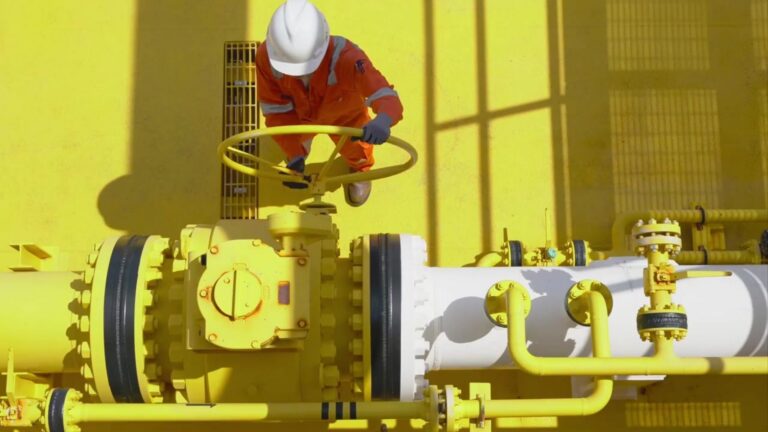
This case study details BP’s efforts to reduce flaring at the Angola LNG plant by implementing operational changes and technology upgrades, leading to significant
Equinor implemented optical gas imaging (OGI) at Hammerfest LNG to detect and repair methane leaks, resulting in over 80% reduction in emissions and fostering
Snam replaced gas-driven pneumatic systems with instrument air systems across its facilities, achieving a 33% reduction in pneumatic emissions and enhancing safety.
Snam utilized mobile compressors to evacuate gas from pipelines before maintenance, saving approximately 5.4 million m³ of natural gas and reducing vented emissions by
This case study discusses Canada’s initiatives to overcome infrastructure challenges in methane emission reductions, focusing on policy measures and technological investments in the oil
This case study highlights Qatar Petroleum’s project to recover boil-off gas at Ras Laffan Port, achieving significant reductions in flared gas and associated emissions....
This case study discusses Snam’s use of hot tapping techniques to connect pipelines without venting gas, minimizing methane emissions during maintenance activities....
This guide presents best practices to reduce methane emissions from flaring, including preventing flaring, recovering gases, and improving flare efficiency.
Details The Methane Mitigation and Reduction Project (MMRP) was launched to assess current emissions and propose actionable strategies. While key achievements have been made
Pneumatic controllers, widely used to manage gas flow in the Permian Basin, contribute more than half of methane emissions through high-bleed designs. Transitioning to

Regulations

No content

An IEA report emphasizes the need to cut methane emissions from fossil fuels. It highlights the potential of existing technologies and policies to significantly reduce

The article analyzes the feasibility of reducing methane emissions at the national and sectoral levels, emphasizing that while significant reductions are achievable—especially to meet targets

This Toolkit outlines different partners, resources and case studies that are available to support government and industry actors in efforts to reduce methane emissions from

This paper examines what companies must do to realize their plans and raise their ambitions, and which types of partnerships can help accelerate these changes.

This report looks in detail at the investment requirements to deliver a sharp reduction in oil and gas methane emissions to 2030, and how these

This report explores practical measures that governments and companies can take to secure a 75% reduction in methane emissions from fossil fuel operations as envisioned

This Fugitive Emissions Management Guideline provides regulatory requirements and guidance for fugitive emissions management in British Columbia. This guideline provides a structured approach to managing

This book highlights the business case for reducing gas flaring and methane emissions (FMR), offering a framework for policymakers to evaluate FMR project feasibility and
New Mexico enforces regulations to achieve 98% gas capture, reducing flaring and venting.
Colombia implements regulations to reduce fugitive methane emissions in oil and gas sector.
UK's offshore industry commits to methane reductions via North Sea Methane Action Plan.
Policy recommendations for the EU to address methane emissions.

Technology performance

No content

This study combines airborne LiDAR measurements, parallel controlled releases, and on-site optical gas imaging (OGI) survey and pneumatic device count data to derive a new

This guide provides an overview of the methods used for identifying, detecting, measuring, and quantifying (IDM&Q) methane emissions, along with references to other documents offering

Technology deployment

No content

This guide provides an overview of the methods used for identifying, detecting, measuring, and quantifying (IDM&Q) methane emissions, along with references to other documents offering

Technical Guidance Documents (TGDs) on each of the nine core emission sources covered by OGMP. The guidance documents present suggested methodologies for quantifying methane emissions
Case study on mobile detection of methane leaks in urban gas distribution networks.
National Grid implements continuous methane monitoring in gas distribution network.

Sources

No content

Interactive database of country and regional estimates for methane emissions and abatement options. The page also contains links to annual reports evaluating annual trends. The


Measurement strategies

No content

Case study demostrating how Methane Alert and Response System (MARS) has facilitated concrete methane action in Argentina. MARS is the first global satellite detection and
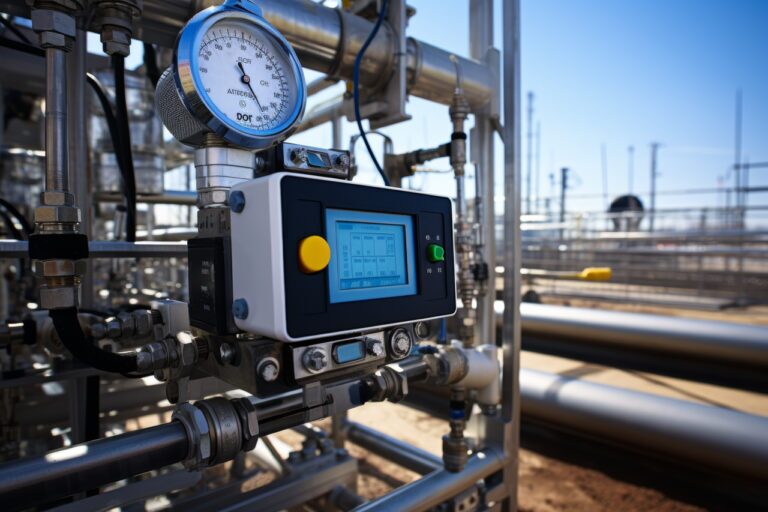
The article from CSIS focuses on the importance of improving data on methane emissions to meet global methane reduction goals. It emphasizes that accurate and

This study pairs snapshot measurements with continuous emissions monitoring systems (CEMS) to reconcile data and account for intermittent emissions. This study highlights the importance of


In this study methane emissions were measured at 6650 sites across six major oil and gas producing regions in Canada to examine regional emission trends,
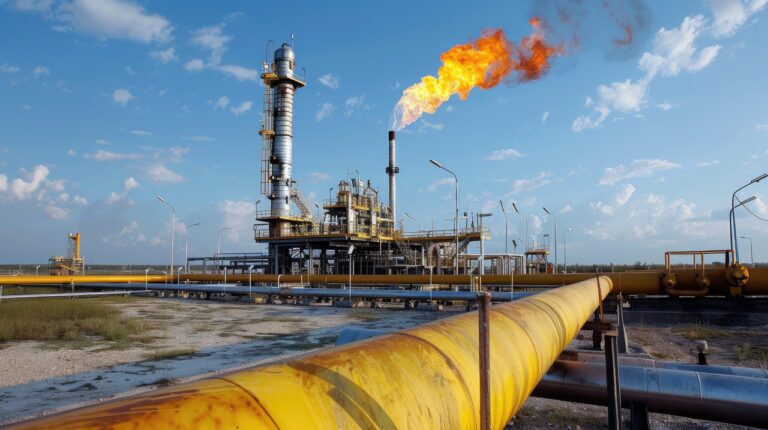

This resource analyzes data from the TROPOspheric Monitoring Instrument (TROPOMI) to detect ultra-emitters—large methane releases—over major oil and gas (O&G) basins worldwide. The study covers

In this study, the authors develop a new inventory-based model for methane emissions (production segment only) that agrees within error with recent syntheses of site-level
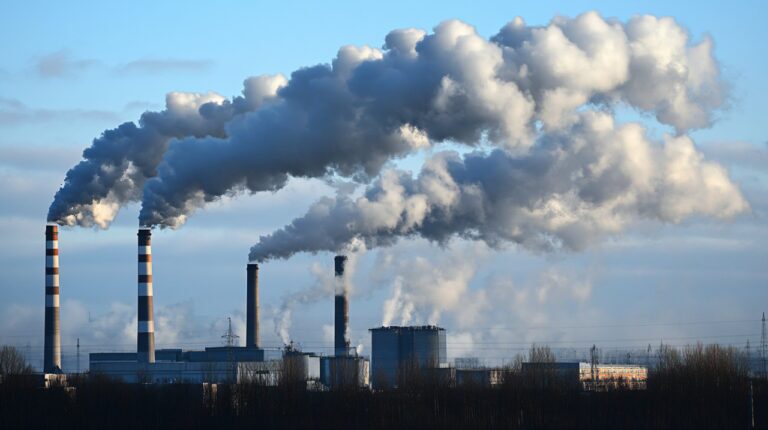
This study focuses on creating a robust, source-resolved methane inventory for conventional upstream oil and gas production in Alberta, Canada, leveraging high-sensitivity LiDAR-based methane detection.

This study calculates flare efficiency by using airborne sampling across three U.S. basins that are responsible for more than 80% of the country’s flaring emissions.

This work presents a real-world demonstration of how to reconcile CMS rate estimates and top-down snapshot measurements jointly with bottom-up inventories at the site level.

This study combines high-resolution, high-sensitivity aerial survey data with subsequent on-site investigations of detected sources to investigate sources driving emissions, associated options for mitigation, and

This resource discusses the evolving landscape of greenhouse gas inventories and introduces the concept of “measurement-informed inventories” (MIIs). MIIs incorporate real measurement data to provide
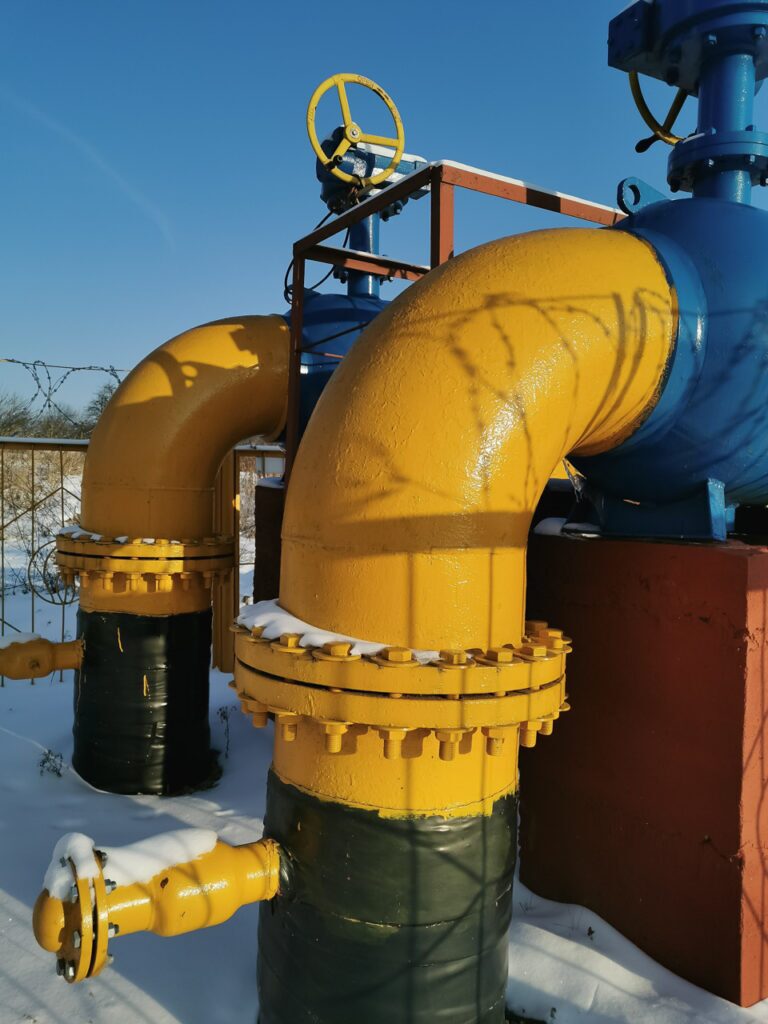
Global satellite detection and notification system. IMEO is assembling a public database of empirically verified methane emissions data and connecting it to the individuals who

UNECE Monitoring, Reporting, and Verification (MRV) and Mitigation best practice guidance. The document offers recommendations for developing and implementing effective methane quantification, monitoring, reporting, and


Emissions from uncontrolled oil production storage tanks are poorly understood and characterized. This study reports and analyzes directly measured, temporally varying methane emission rates, total
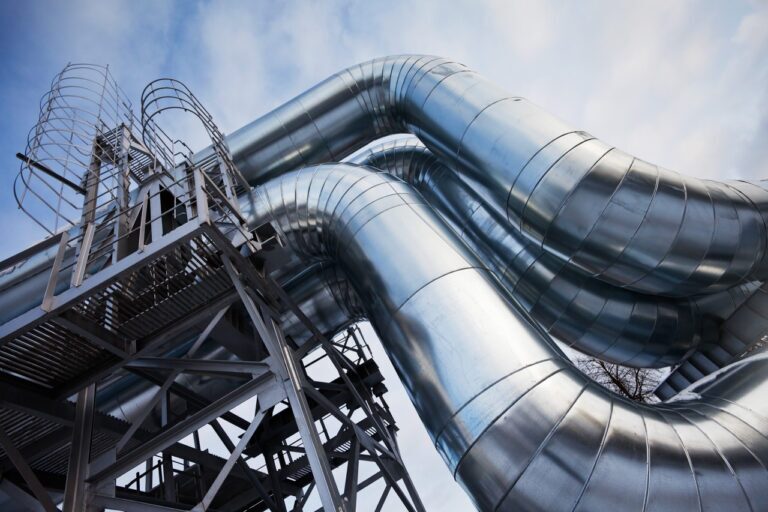
This study measured methane emissions from internal combustion engines used in natural gas compression at U.S. gathering and boosting stations. Researchers sampled 133 engines from

This study combines airborne LiDAR measurements, parallel controlled releases, and on-site optical gas imaging (OGI) survey and pneumatic device count data to derive a new
This technical report outlines the methodology used to interpret satellite data and translate it into actionable insights for methane abatement. Focusing on super-emitters, it explains
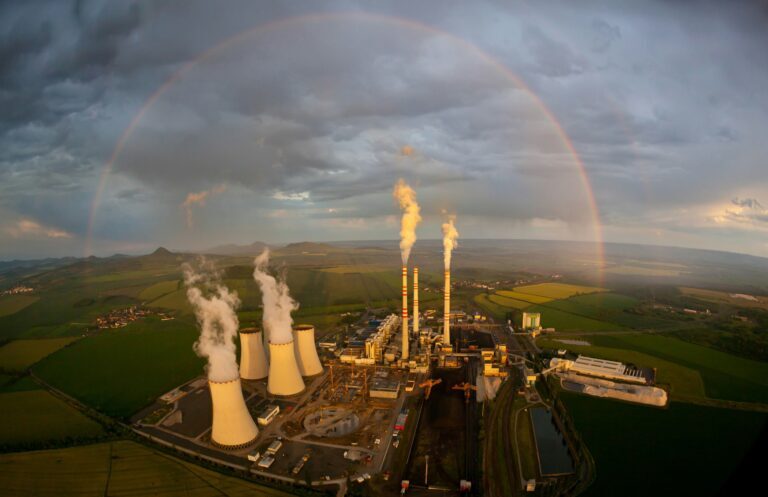
This technical report evaluates the cost-effectiveness of various methane emission reduction measures in the oil and gas industry. It provides a comprehensive analysis of implementation
This technical report explores strategies for reducing methane emissions in offshore oil and gas operations. It provides an analysis of current emission sources, evaluates the
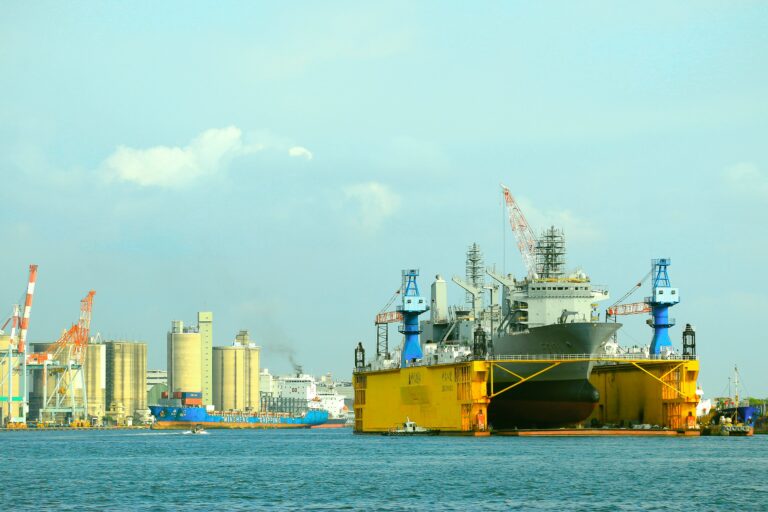
The Recommended Practices for Methane Detection and Quantification Technologies for Flares is a project conducted on behalf of the Energy Institute, and pertains to technologies
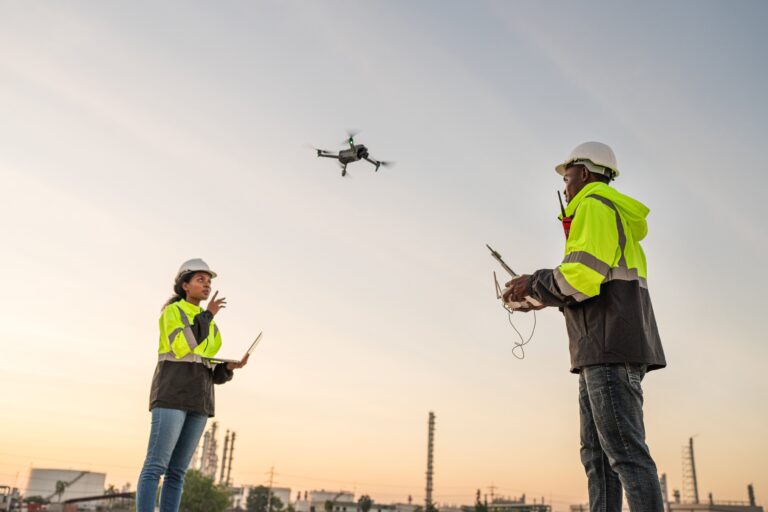
This report examines methane emissions across the LNG supply chain and recommends best practices for their mitigation. It emphasizes the importance of accurate measurement, reporting,
This report explores how National Oil Companies (NOCs) can take significant action to reduce methane emissions. It includes case studies, identifies barriers, and presents strategies


The Broader Value of Emissions Detection and Quantification, authored by Daniel Zimmerle of Colorado State University’s Methane Emissions Technology Evaluation Center (METEC), provides his perspective
This report summarizes results from the large, multi-scale methane emissions measurement campaign of the Appalachian Methane Initiative (AMI) for 2024. The AMI coalition in 2024

A webinar hosted by META which provides details on constructing a measurement informed inventory.
An overview of a reconciling source and site-level measurements from upstream facilities in Canada.

Previous Step

Fundamentals

Next Step

Technology

Suggest content:

Submit a link below

Methane Library

You may also be interested in...

The Oil and Gas Climate Initiative (OGCI) and the International Emissions Trading Association (IETA) have published key findings from their joint project: Accelerating Land Use
The Oil and Gas Climate Initiative (OGCI) and the Oil & Gas Decarbonization Charter (OGDC) welcome the joint UNEP/EDF/IEA report released today, which highlights the